
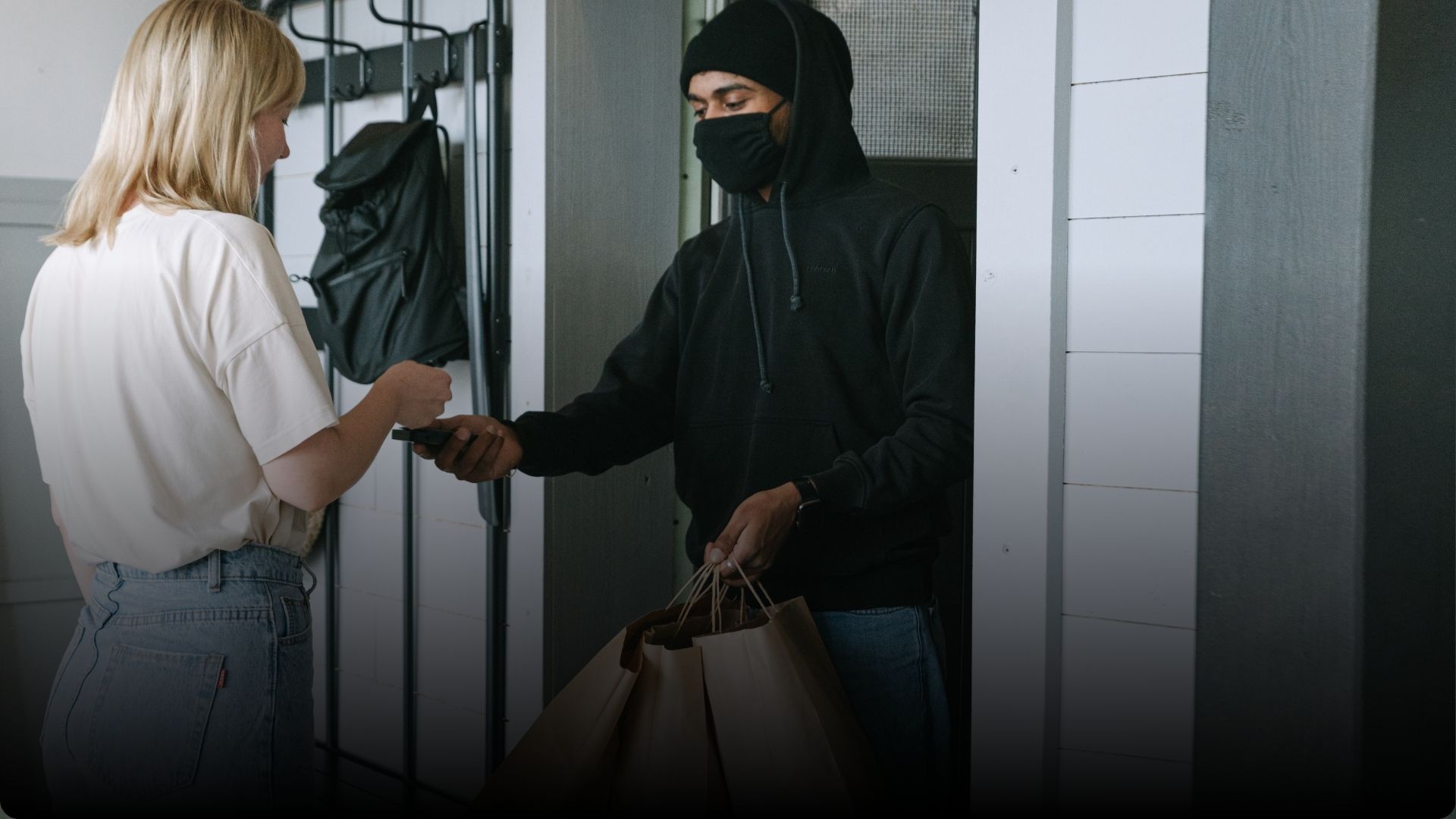
When I step into the front office, I know I am not just welcoming guests—I am also acting as the first line of defense. The front office is the heart of any hotel, and unfortunately, it can also become a vulnerable point during a security crisis. Over the years, I have realized that handling terrorist threats is not just about reacting in the moment; it is about preparation, awareness, and controlled response.
Terrorism, derived from the Latin word terrere meaning “to frighten,” is designed to create fear and disruption. According to global security reports, hospitality spaces are considered “soft targets” because they are open and accessible. That makes our role in the front office even more critical. I always remind myself that even a small lapse can lead to serious consequences.
In this article, I will walk you through how I handle terrorist threats in the front office using practical strategies, structured protocols, and a calm mindset. I will also include some French hospitality and security terms like sécurité, surveillance, and gestion de crise to give a professional touch to our understanding. Let’s dive deep into this serious but essential topic.
Understanding Terrorist Threats in Front Office (Définition et Origine)
Before I can handle a terrorist threat, I need to clearly understand what it means. A terrorist threat refers to any act or planned activity intended to cause fear, harm, or disruption using violence or intimidation. These threats may include bomb threats, armed attacks, suspicious individuals, or cyber-related disruptions targeting guest data.
Historically, terrorism evolved from political conflicts, but in modern times, it has expanded into targeting public spaces like hotels, airports, and malls. According to global safety statistics, hotels have been targeted in several incidents due to their open-access nature. This makes front office staff like me crucial in early detection.
I focus on recognizing warning signs. Suspicious behavior, unattended luggage, unusual inquiries about security systems—these are all red flags. I also rely on surveillance systems and guest interaction patterns to identify anything unusual.
Understanding threats is not about fear; it is about awareness. When I clearly define what I am dealing with, I can respond faster and more effectively. Knowledge becomes my first weapon in maintaining sécurité at the front desk.
Importance of Front Office in Security Management (Rôle du Front Office)
I often say that the front office is not just about check-ins and check-outs—it is about control, observation, and communication. The front office acts as the central hub where most guest interactions happen. That means I have the advantage of visibility.
Studies show that over 70% of suspicious activities in hotels are first noticed by front office staff. That statistic alone highlights how important my role is. I am trained to observe body language, tone of voice, and unusual behavior patterns.
I also coordinate with other departments. Security teams, housekeeping, and management depend on the information I provide. This coordination is known as gestion de crise (crisis management). Without strong communication, even the best security systems can fail.
I make it a habit to stay alert without making guests uncomfortable. It is a delicate balance. Professionalism and vigilance go hand in hand. When I perform my role correctly, I create a safe environment while maintaining a welcoming atmosphere.
Identifying Suspicious Behavior and Warning Signs (Surveillance Active)
Handling terrorist threats begins long before any incident occurs. It starts with observation. I train myself to notice even the smallest irregularities.
For example, if a guest avoids eye contact, gives inconsistent information, or refuses standard procedures, I take note. Similarly, unattended baggage in the lobby is a major red flag. According to security data, unattended items are involved in a large percentage of threat situations.
I rely on surveillance active, which means active monitoring rather than passive observation. CCTV systems help, but human judgment is equally important. I also keep track of unusual booking patterns, like multiple reservations under different names with the same contact details.
I never jump to conclusions, but I never ignore my instincts either. I quietly inform the security team and follow internal protocols. Early detection can prevent escalation.
This proactive approach allows me to handle threats before they become emergencies. It is not about reacting—it is about preventing.
Standard Operating Procedures (SOPs) in Threat Situations (Procédures Standardisées)
Every hotel has SOPs, but I make sure I truly understand and practice them. These procedures are designed to guide me during high-pressure situations when quick decisions are required.
For example, in case of a bomb threat call, I follow a structured checklist. I note the caller’s tone, background noise, exact words, and timing. I never panic or disconnect abruptly. According to global safety training programs, structured response reduces risk by over 60%.
I also follow evacuation procedures when necessary. This includes guiding guests calmly, avoiding panic, and ensuring no one is left behind. The French term procédures standardisées perfectly describes this system—standardized actions that ensure consistency.
Training plays a big role here. Regular drills help me stay prepared. I treat every drill seriously because real situations do not come with warnings.
When SOPs are followed correctly, chaos turns into control. That is the power of preparation.
Communication During Crisis (Communication de Crise)
Clear communication is one of the most powerful tools I have during a terrorist threat. Panic spreads faster than facts, so I make sure I communicate calmly and accurately.
I use simple, direct language when guiding guests. I avoid technical terms that may confuse them. Internally, I maintain constant communication with security teams and management. This is known as communication de crise.
Statistics show that poor communication is responsible for nearly 40% of crisis mismanagement cases. That is why I focus on clarity and speed.
I also ensure confidentiality. I do not share sensitive information publicly or create unnecessary alarm. At the same time, I provide enough information to ensure safety.
My goal is to keep everyone informed without causing fear. When communication is handled properly, it becomes a tool for control rather than chaos.
Role of Technology in Handling Threats (Technologie de Sécurité)
Technology has transformed how I handle security threats. From CCTV cameras to access control systems, everything plays a role.
Modern hotels use AI-based surveillance systems that can detect unusual behavior patterns. According to industry reports, such systems can improve threat detection accuracy by up to 80%.
I also rely on digital guest records. Suspicious booking patterns can be identified quickly through data analysis. Key card access systems help restrict unauthorized entry.
The French term technologie de sécurité reflects this integration of technology into safety practices. However, I never depend entirely on machines. Human judgment remains essential.
Technology supports me, but it does not replace me. Together, we create a stronger defense system.
Training and Preparedness (Formation et Préparation)
I strongly believe that training is the backbone of effective threat handling. Without proper training, even the best systems fail.
I participate in regular security drills, workshops, and emergency simulations. These sessions improve my response time and decision-making skills. According to safety studies, trained staff respond 50% faster during emergencies.
Formation et préparation (training and preparedness) ensure that I am never caught off guard. I learn how to handle different scenarios—bomb threats, armed intruders, evacuation procedures, and more.
I also stay updated with global security trends. Threats evolve, and so should my knowledge.
Preparedness gives me confidence. And confidence helps me act calmly under pressure.
Guest Safety and Evacuation Management (Gestion d’Évacuation)
When a threat becomes real, my priority shifts to guest safety. Evacuation must be handled quickly but calmly.
I guide guests using clear instructions. I avoid shouting or creating panic. I ensure that emergency exits are used properly and that elevators are avoided.
Statistics show that organized evacuation reduces injury risk by over 70%. That is why I follow gestion d’évacuation protocols strictly.
I also assist elderly guests, children, and differently-abled individuals. No one is left behind.
After evacuation, I coordinate with emergency services and provide necessary information. My role does not end until everyone is safe.
Coordination with Security Agencies (Coordination avec les Autorités)
Handling terrorist threats is not a solo effort. I work closely with local law enforcement and security agencies.
When a threat is identified, I immediately inform the authorities. I provide accurate details without delay. This coordination is known as coordination avec les autorités.
Quick response from authorities can prevent escalation. According to reports, timely reporting reduces damage significantly.
I also follow their instructions carefully. Professional cooperation ensures effective handling of the situation.
Teamwork extends beyond the hotel. It includes external agencies as well.
Conclusion
Handling terrorist threats in the front office is a serious responsibility, but it is not impossible. Through awareness, training, communication, and coordination, I can manage even the most critical situations.
I remind myself every day that safety is not a one-time effort—it is a continuous process. From observing guest behavior to following SOPs and using technology, every action matters.
By combining sécurité, surveillance, and gestion de crise, I create a secure environment for everyone. And that is what true hospitality is all about—making guests feel safe, not just welcome.
FAQs
1. What is the role of front office in handling terrorist threats?
The front office acts as the first line of defense by identifying suspicious behavior, communicating with security teams, and initiating emergency procedures.
2. How can hotel staff identify a terrorist threat?
Staff can identify threats through unusual behavior, unattended baggage, suspicious inquiries, and irregular booking patterns.
3. What should be done during a bomb threat call in a hotel?
Stay calm, gather information, follow SOPs, inform authorities, and avoid causing panic among guests.
4. Why is training important for front office security?
Training improves response time, decision-making, and ensures staff can handle emergencies effectively.
5. How does technology help in hotel security management?
Technology like CCTV, access control systems, and AI surveillance helps detect threats early and enhances overall safety.