
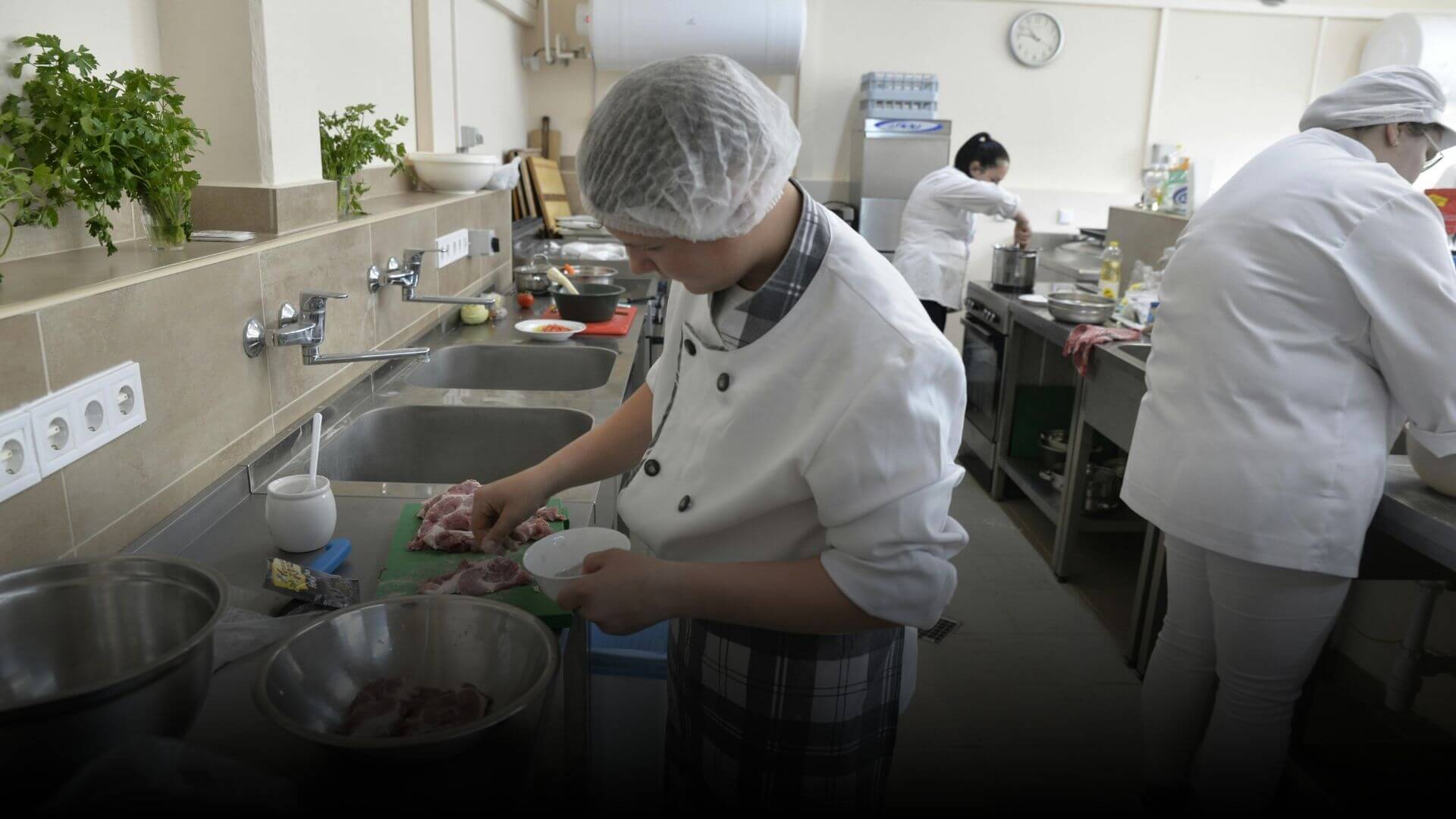
I still remember watching my grandmother cook. No timers. No gadgets. Just instinct, smell, and experience guiding every move. Today, I stand in a kitchen that looks nothing like hers. Screens glow. Machines hum. Recipes update in real time. Cooking has shifted from pure intuition to a blend of art and technology.
And here’s the thing—you don’t need to be a professional chef to feel this change. It’s happening in home kitchens, restaurants, street food stalls, and even cloud kitchens. Technology is not just improving cooking. It is reshaping how we understand food itself.
From smart ovens that think for us to molecular gastronomy techniques like sous-vide and spherification, the culinary world is entering a new phase. One where tradition meets innovation. Where data meets taste. Where precision meets creativity.
In this article, I’ll walk you through the technologies that are quietly—but powerfully—transforming cuisines and cooking. Let’s explore what’s really happening behind the scenes of modern food.
Smart Kitchen Appliances: Intelligence Meets Everyday Cooking
Walk into a modern kitchen today, and you’ll notice something different. Appliances are no longer passive tools. They are active assistants. Smart ovens, connected refrigerators, and AI-powered cooking devices are changing how we prepare meals.
Take smart ovens, for example. These devices use sensors and machine learning to adjust temperature and cooking time automatically. According to industry reports, over 35% of urban households are expected to adopt smart kitchen appliances by 2028. That’s a massive shift.
Refrigerators now track expiry dates and suggest recipes based on available ingredients. It feels almost like having a chef de cuisine guiding you. You open the fridge, and it tells you what to cook.
Voice assistants also play a role. You can now say, “Preheat the oven to 180°C,” and it happens instantly. No manual steps. No guesswork.
What fascinates me most is how these tools reduce errors. Burnt dishes. Undercooked meals. These become rare. The margin for mistake shrinks.
But here’s the deeper impact—these appliances are making cooking accessible. Even beginners can create complex dishes with confidence. That changes how people interact with food. Cooking is no longer intimidating. It becomes inviting.
Sous-Vide Cooking: Precision at Its Finest
The term sous-vide comes from French, meaning “under vacuum.” It might sound fancy, but the concept is simple. You seal food in a bag and cook it slowly in water at a controlled temperature.
This technique has existed since the 1970s, but technology has made it widely available today. Affordable immersion circulators have brought sous-vide from high-end restaurants into home kitchens.
Why does it matter? Precision. Absolute control.
When you cook a steak traditionally, the heat varies. Some parts overcook. Others stay underdone. With sous-vide, the entire piece cooks evenly. Every single time.
Studies show that sous-vide cooking can retain up to 90% of nutrients compared to traditional boiling, which often leads to nutrient loss. That’s not just better taste—it’s better health.
And then there’s texture. Tender. Juicy. Consistent. It elevates even simple ingredients.
I’ve tried it myself. The difference is clear. Once you experience it, it’s hard to go back.
This method also reduces food waste. You cook exactly what you need. No overcooking. No guesswork.
In many ways, sous-vide represents the future of cooking—where science and flavor come together seamlessly.
Molecular Gastronomy: Science Becomes Culinary Art
Molecular gastronomy sounds complex, but at its core, it’s about understanding the science behind cooking. It explores how ingredients behave and how we can transform them.
Think of spherification. Turning liquids into small, caviar-like spheres. Or gelification, where textures shift dramatically. These techniques have roots in scientific research but are now widely used in modern cuisine.
Chefs like Ferran Adrià popularized this approach, but technology made it scalable. Today, even small restaurants experiment with these methods.
What’s interesting is how this changes the dining experience. Food becomes interactive. Unexpected. Sometimes even surprising.
For example, a dish might look like dessert but taste savory. Or a liquid might burst in your mouth. It challenges expectations.
According to culinary studies, restaurants using molecular techniques often report a 20–30% increase in customer engagement and repeat visits. People love novelty.
But beyond theatrics, molecular gastronomy improves consistency and control. It allows chefs to create textures and flavors that were once impossible.
This is not just cooking. It’s innovation on a plate.
3D Food Printing: Designing Meals Layer by Layer
Yes, food can now be printed. It sounds futuristic, but 3D food printing is already in use.
The process involves layering edible materials—like chocolate, dough, or purees—into specific shapes. Controlled by software, these printers can create intricate designs that would be nearly impossible by hand.
The origins of this technology come from industrial 3D printing, but it has evolved into the culinary world.
Why is this important? Customization.
You can design meals based on nutritional needs. Shape food for children or elderly individuals. Even create artistic presentations for fine dining.
NASA has explored 3D food printing for space missions. The idea is to produce food efficiently in limited environments. That tells you how serious this technology is.
In restaurants, it adds visual appeal. In healthcare, it helps create personalized diets.
Imagine ordering a dessert shaped exactly the way you want. Not chosen from a menu, but designed by you.
That’s not science fiction anymore. It’s happening now.
AI and Data-Driven Cooking: Recipes That Learn
Artificial intelligence is stepping into the kitchen, and it’s changing everything.
AI systems analyze thousands of recipes, flavor combinations, and user preferences. They suggest new dishes based on patterns. Not tradition. Not habit. Data.
For example, AI can recommend ingredient pairings that humans might never consider. Some of these combinations turn out surprisingly delicious.
Companies are already using AI to develop new food products. According to reports, AI-assisted recipe development can reduce product testing time by up to 50%.
What I find fascinating is personalization.
You can input your dietary preferences—low carb, vegan, high protein—and AI creates a custom recipe instantly. It’s like having a digital chef exécutif.
Restaurants also use AI to predict customer demand. This reduces waste and improves efficiency.
Cooking becomes smarter. Faster. More responsive.
And yet, it still leaves room for creativity. AI suggests. Humans refine. That balance is where magic happens.
Robotics in the Kitchen: Automation Takes Over
Robots cooking food might sound extreme, but it’s already real.
Robotic arms can flip burgers, stir sauces, and even plate dishes with precision. Some restaurants operate almost entirely with automated systems.
The idea began in industrial automation, but it has now entered the culinary space.
Why use robots? Consistency and speed.
A robot doesn’t get tired. It doesn’t make careless mistakes. It performs the same action perfectly every time.
In fast-food chains, automation has reduced cooking time by nearly 30%. That’s a huge advantage.
But here’s the interesting part—robots are not replacing chefs. They are supporting them.
Chefs focus on creativity, presentation, and innovation. Robots handle repetitive tasks.
This division of labor improves efficiency without removing the human touch.
And honestly, watching a robot cook is strangely satisfying.
Sustainable Cooking Technology: Smarter, Greener Kitchens
Sustainability is no longer optional. It’s essential.
Modern cooking technology is addressing this through energy-efficient appliances, waste reduction systems, and smarter resource management.
Induction cooktops, for instance, are up to 85% energy efficient compared to traditional gas stoves. That’s a significant improvement.
Food waste tracking systems monitor what gets discarded and suggest adjustments. Some restaurants have reduced waste by 40% using these tools.
There’s also innovation in alternative proteins. Lab-grown meat and plant-based substitutes are reshaping menus worldwide.
The goal is clear—reduce environmental impact without compromising taste.
Even packaging is evolving. Biodegradable materials and smart labeling help consumers make better choices.
Cooking is no longer just about flavor. It’s about responsibility.
And that shift is long overdue.
Cloud Kitchens and Digital Platforms: Redefining Food Service
Cloud kitchens, also known as ghost kitchens, operate without dine-in spaces. They focus entirely on delivery.
Technology powers every part of this model. From order management to logistics and customer feedback.
This concept originated with the rise of food delivery apps. Now, it’s a major industry.
According to market data, the global cloud kitchen market is expected to reach billions in value within the next few years.
What makes it powerful is flexibility.
Restaurants can test new cuisines without investing in physical spaces. They adapt quickly to trends.
Menus change based on data. Popular dishes stay. Others disappear.
For consumers, it means more options. Faster delivery. Better pricing.
For chefs, it opens new opportunities.
Cooking is no longer limited by location. It becomes digital, scalable, and highly dynamic.
Conclusion
Cooking has always been about more than food. It’s about culture, memory, and connection. But now, it’s also about innovation.
Technology is not replacing tradition. It’s reshaping it. Enhancing it. Expanding what’s possible.
From sous-vide precision to AI-driven recipes, from robotics to sustainability, every aspect of cooking is evolving.
And the best part? You are part of this transformation. Every time you use a smart appliance, try a new technique, or explore a modern recipe, you step into this future.
The kitchen is no longer just a place to cook. It’s a space where science, creativity, and technology come together.
And honestly, I think that’s exciting.
FAQs
1. What is sous-vide cooking and why is it popular?
Sous-vide is a cooking method where food is vacuum-sealed and cooked at a precise temperature in water. It is popular because it ensures even cooking, better texture, and higher nutrient retention.
2. How is AI used in cooking?
AI analyzes recipes, ingredients, and user preferences to suggest personalized dishes, improve food production, and reduce waste in restaurants.
3. What is molecular gastronomy in simple terms?
It is a scientific approach to cooking that transforms textures and flavors using techniques like spherification and gelification.
4. Are smart kitchen appliances worth it?
Yes, they improve convenience, reduce cooking errors, and make complex recipes easier to prepare, especially for beginners.
5. What are cloud kitchens and how do they work?
Cloud kitchens are delivery-only kitchens that operate without dine-in spaces. They use digital platforms to manage orders and optimize food production.