
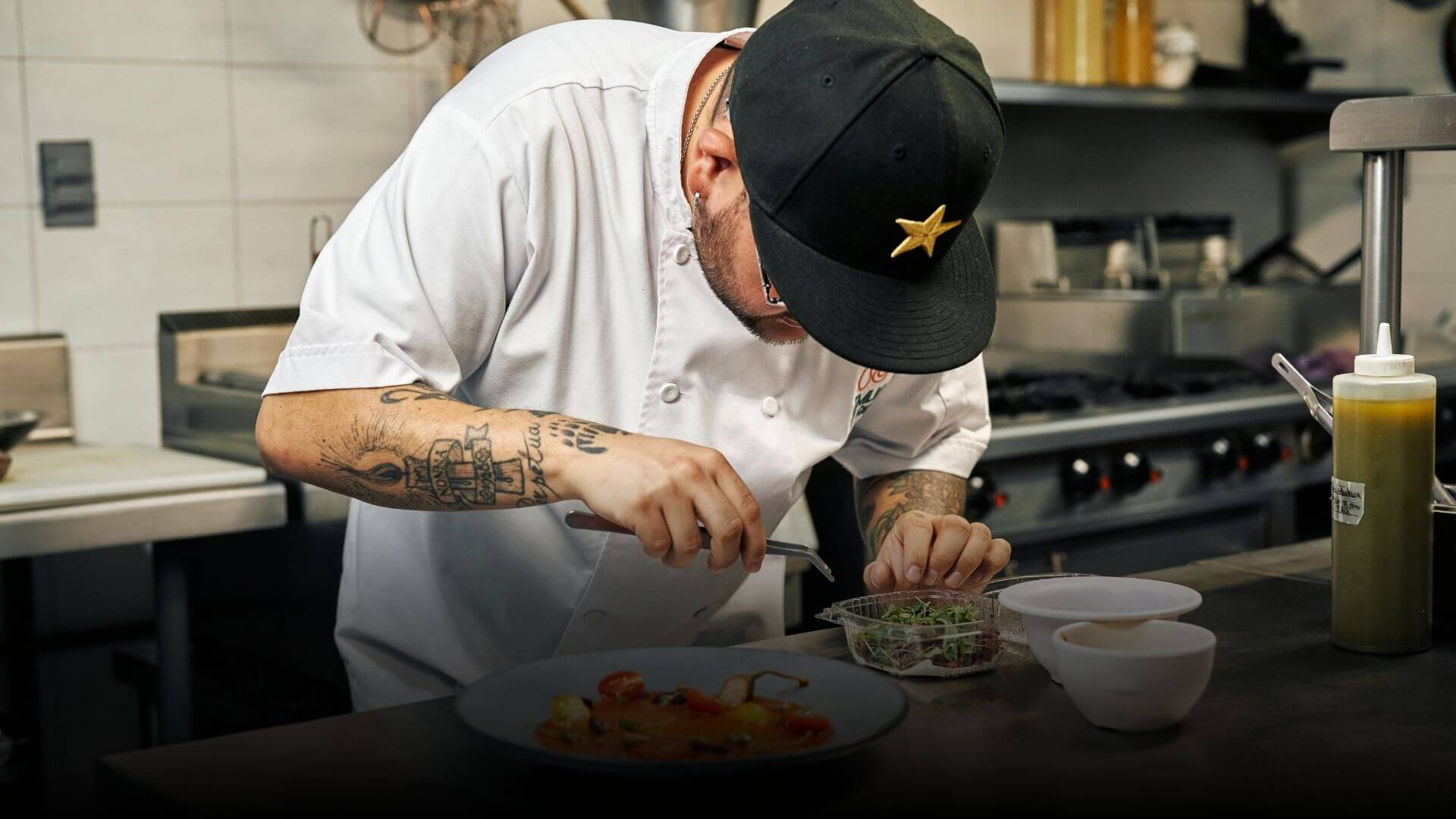
I have always believed that a plate is never complete until it speaks. Not loudly, not with chaos, but with balance. In professional kitchens, especially in the hotel industry, accompaniments and garnishes are not afterthoughts. They are calculated, intentional, and deeply rooted in culinary tradition. They influence perception, enhance flavor, and shape the guest’s overall dining experience.
When I first stepped into a hotel kitchen, I noticed something interesting. Two chefs could cook the same dish, yet one plate would feel refined, memorable, almost luxurious. The difference often came down to the way accompaniments were chosen and how garnishes were applied. According to industry insights, nearly 70% of diners judge food quality based on presentation before tasting it. That alone shows how powerful these elements are.
In this article, I will break down accompaniments and garnishes in detail. I will explain their origins, definitions, classifications, and practical applications in hotel kitchens. I will also share how I approach them in real kitchen operations.
Understanding Accompaniments: Definition and Culinary Purpose
In classical culinary terminology, accompaniments are known as “garniture” in French cuisine, but they are more than decorative elements. They are supporting components served alongside the main dish to enhance flavor, texture, and nutritional balance.
I define accompaniments as functional additions. They are meant to complement the principal ingredient, not distract from it. For example, a grilled steak paired with pommes purée (mashed potatoes) and sautéed vegetables forms a harmonious composition where each element supports the other.
Historically, accompaniments evolved from European royal kitchens, where meals were structured with precision. French cuisine formalized this concept in the 17th century, categorizing garnitures based on the main protein.
From a practical standpoint in hotel kitchens, accompaniments help achieve plate balance. A dish should ideally include:
- Protein (main item)
- Carbohydrate (starch)
- Fiber (vegetables)
- Sauce (binding element)
Studies in hospitality management show that balanced plates improve customer satisfaction scores by up to 25%. Guests feel the meal is complete, both visually and nutritionally.
When I design a dish, I never treat accompaniments as optional. They are part of the identity of the dish itself.
Types of Accompaniments in Professional Kitchens
Accompaniments can be classified based on their role and composition. In hotel kitchens, I usually divide them into four main categories.
First, starch-based accompaniments such as rice, potatoes, pasta, or couscous. These provide body and satiety. French terms like “riz pilaf” or “gratin dauphinois” are commonly used in menus to elevate perception.
Second, vegetable accompaniments. These include roasted, sautéed, or steamed vegetables. They bring color, freshness, and nutritional value. A simple ratatouille can transform a dish into something vibrant and rustic at the same time.
Third, sauce-based accompaniments. Sauces like béchamel, velouté, or jus lié are not just additions. They connect all elements on the plate. Research suggests that sauces influence flavor perception by nearly 40%.
Fourth, condiment accompaniments. These include pickles, chutneys, relishes, and dips. In Indian hotel kitchens, this category plays a major role. A mint chutney or onion salad can enhance even the simplest dish.
Each type has a purpose. When I combine them correctly, the plate becomes structured and intentional. When I don’t, the dish feels incomplete or confusing.
Garnishes: Definition, Origin, and Importance
Garnish, or “garnir” in French, means to decorate or embellish. But in modern culinary practice, garnish goes beyond decoration. It must be edible, relevant, and purposeful.
I have seen a shift over the years. Earlier, chefs used garnishes like carved vegetables or random herbs purely for visual appeal. Today, the approach is more refined. Every garnish must contribute to taste, aroma, or texture.
The origin of garnishing dates back to ancient Rome, where herbs and flowers were used to decorate dishes served to nobility. French cuisine later formalized garnish as part of plating techniques in haute cuisine.
In hotel kitchens, garnish plays three key roles:
- Visual enhancement
- Flavor accentuation
- Identity reinforcement
A well-garnished plate can increase perceived value by up to 20%, according to hospitality studies. Guests associate detailed presentation with higher quality and are often willing to pay more.
When I garnish a dish, I ask myself one question. Does this element belong here? If the answer is no, I remove it. Simplicity often creates the strongest impact.
Types of Garnishes Used in Hotel Kitchens
Garnishes can be broadly categorized into simple and composed garnishes.
Simple garnishes include herbs like parsley, coriander, basil, or microgreens. These are used to add freshness and color. A sprinkle of chopped parsley on a soup may seem minor, but it enhances both aroma and visual appeal instantly.
Composed garnishes are more structured. These include elements like herb oils, flavored foams, crisps, or edible flowers. In fine dining, chefs use techniques like “tuile” (thin crisp wafers) or “espuma” (foam) to create texture contrast.
I also consider functional garnishes. Lemon wedges, grated cheese, or toasted nuts fall into this category. They allow guests to adjust flavor according to preference.
In Indian hotel kitchens, garnishes often include fried onions, fresh cream, coriander leaves, or chili slices. These are not just decorative. They add depth and authenticity to the dish.
The key is relevance. A garnish must align with the dish’s flavor profile and cuisine style. Random garnishing weakens the dish instead of enhancing it.
Principles of Pairing Accompaniments and Garnishes
Pairing is where skill truly shows. It is not about adding more elements. It is about choosing the right ones.
I follow three core principles. First, flavor harmony. Sweet, salty, sour, bitter, and umami must balance. For example, a rich meat dish pairs well with acidic accompaniments like pickled vegetables.
Second, texture contrast. A dish should not feel monotonous. Soft, crunchy, creamy, and crisp textures should coexist. A crispy garnish on a creamy soup creates interest.
Third, visual composition. Colors matter. Studies show that plates with three or more contrasting colors are perceived as more appetizing.
French cuisine uses the concept of “mise en place” to ensure every element is prepared and positioned correctly. This applies not only to cooking but also to plating.
When I design a plate, I think like a guest. What will they notice first? What will they taste next? The sequence matters.
Role of Accompaniments and Garnishes in Menu Engineering
In hotel operations, accompaniments and garnishes are not just culinary decisions. They are strategic tools.
Menu engineering focuses on profitability and popularity. Dishes with well-designed accompaniments often have higher contribution margins because they create perceived value without significantly increasing cost.
For example, adding a flavored butter or herb oil costs very little but enhances the dish significantly. This allows hotels to price dishes higher.
Data from restaurant analytics shows that visually appealing dishes are ordered 30% more frequently than plain ones. Garnishes play a direct role in this.
I always consider cost control. Over-garnishing increases food cost and waste. Smart garnishing, on the other hand, improves efficiency and presentation.
Accompaniments also help in portion control. They fill the plate, making the dish look generous without increasing expensive protein quantity.
This balance between aesthetics and economics is crucial in hotel kitchens.
Common Mistakes and How I Avoid Them
I have seen many mistakes in professional kitchens when it comes to accompaniments and garnishes.
One common mistake is overloading the plate. Too many elements create confusion. Guests do not know where to start. I keep it clean and focused.
Another mistake is using non-edible garnishes. This is outdated and unacceptable in modern kitchens. Every element must be edible.
Mismatch of flavors is also a problem. A garnish should not overpower the main dish. It should support it.
Poor placement is another issue. Garnishes should be placed with intention, not scattered randomly. French plating techniques emphasize precision and symmetry.
I also avoid repetition. Using the same garnish across multiple dishes makes the menu feel dull. Variety adds excitement.
Attention to these details separates average kitchens from exceptional ones.
Conclusion
Accompaniments and garnishes are not minor details. They are essential components of professional cooking, especially in the hotel industry. They define how a dish looks, tastes, and feels.
From my experience, the difference between a good dish and a memorable one often lies in these elements. When used correctly, they create balance, enhance flavor, and elevate presentation.
I see them as the final signature on a plate. They reflect the chef’s understanding, creativity, and discipline.
In today’s competitive hospitality environment, where guests expect both taste and visual appeal, mastering accompaniments and garnishes is no longer optional. It is a necessity.
FAQs
1. What are accompaniments in food service?
Accompaniments are side components served with the main dish to enhance flavor, texture, and balance.
2. What is the difference between garnish and accompaniment?
Garnish is mainly for visual and flavor enhancement in small quantities, while accompaniments are substantial components served alongside the main dish.
3. Why are garnishes important in plating?
Garnishes improve presentation, add flavor, and increase perceived value of the dish.
4. What are common garnishes used in hotels?
Common garnishes include herbs, microgreens, edible flowers, sauces, and crispy elements.
5. How do accompaniments affect food cost and pricing?
They help balance portion size, improve presentation, and allow higher pricing without significantly increasing cost.