
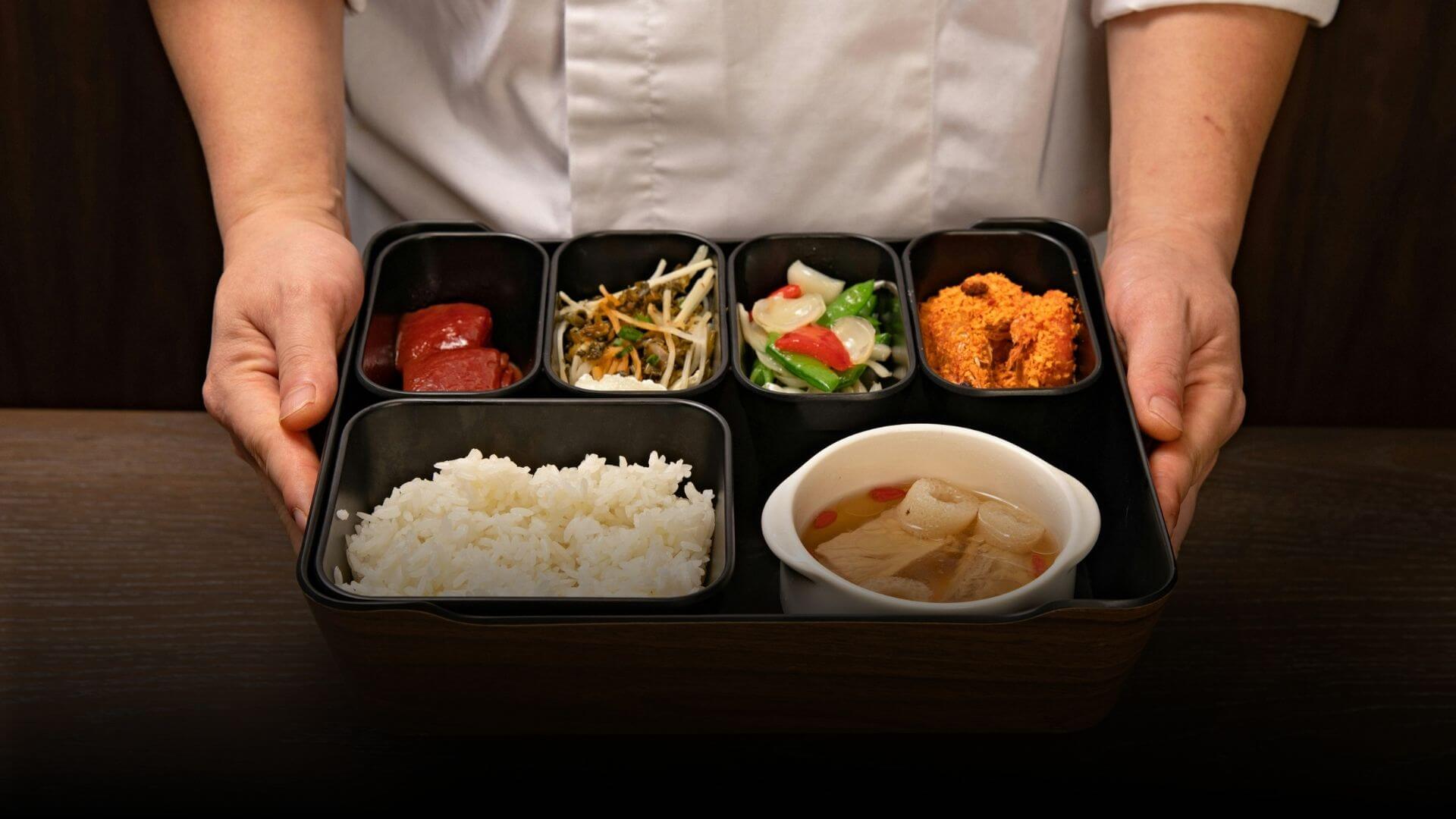
Timing shapes the entire dining experience. I have seen how a perfectly cooked dish can lose its charm if it reaches the guest too early or too late. In the hotel industry, serving meals at the right time is not just about routine; it is about understanding human habits, biological rhythms, and cultural expectations. Guests do not simply eat food. They follow patterns. They expect breakfast at a certain hour, crave a light lunch during busy afternoons, and enjoy elaborate dinners when the day slows down.
The concept of meal timing has evolved over centuries. In classical French cuisine, terms like petit déjeuner (breakfast), déjeuner (lunch), and dîner (dinner) were defined not only by food but also by time and social behavior. Today, modern hotels follow a structured approach, combining tradition with guest psychology.
According to hospitality studies, more than 70% of guest satisfaction depends on timely service and food availability. This makes meal timing a core operational element in every professional kitchen.
In this article, I will break down the ideal time to serve different meals in the hotel kitchen. I will explain each meal period in depth, explore its origin, and share practical insights that help maintain quality service. Timing is not random. It is planned, practiced, and perfected.
Understanding Meal Timing in the Hotel Industry
Meal timing in hospitality follows both biological and commercial logic. Guests wake up hungry after a night of fasting. They require energy in the morning. Around midday, their metabolism peaks, making lunch important. In the evening, meals become more relaxed and indulgent.
Hotels divide the day into structured service periods. These include breakfast, brunch, lunch, afternoon tea, dinner, and late-night service. Each period has its own identity, menu style, and service pace.
Historically, meal timing was influenced by natural daylight. Before artificial lighting, people ate early. But modern lifestyles have shifted patterns. Urban guests often prefer late dinners, while business travelers need early breakfasts.
From an operational point of view, kitchens must prepare in advance. Mise en place becomes essential. Staff scheduling also depends on meal timing. For example, breakfast shifts usually start before sunrise, while dinner service runs late into the night.
Research shows that hotels that align meal timing with guest expectations increase revenue by nearly 25%. This happens because guests are more likely to dine in-house when service is convenient.
In my experience, understanding meal timing is like reading a clock that controls the entire kitchen. When timing is right, everything flows smoothly. When it is wrong, even the best dishes fail to impress.
Breakfast Service – Petit Déjeuner (6:30 AM to 10:30 AM)
Breakfast is the first meal of the day. The word itself means “breaking the fast.” In French, it is called petit déjeuner, which translates to “small lunch.” Despite the name, it holds great importance.
In hotels, breakfast usually starts between 6:30 AM and 7:00 AM. Business travelers prefer early meals, while leisure guests arrive later. The service typically ends around 10:30 AM, although some luxury hotels extend it until 11:00 AM.
Breakfast menus vary widely. Continental breakfast includes bread, butter, jam, and coffee. American breakfast adds eggs, bacon, and pancakes. In India, options like paratha, idli, and poha are common.
Timing here is critical. Guests expect quick service. They are often in a hurry. Studies show that the average guest spends only 20–30 minutes at breakfast. This means food must be ready, fresh, and accessible.
Buffet service is popular because it reduces waiting time. However, live stations such as omelette counters add a personalized touch.
From my perspective, breakfast sets the tone for the entire day. A delayed or poorly managed breakfast can create dissatisfaction that affects the guest’s overall experience. On the other hand, a smooth and timely breakfast creates trust and comfort.
Brunch Service – A Blend of Breakfast and Lunch (10:30 AM to 2:00 PM)
Brunch combines breakfast and lunch. The term originated in England in the late 19th century. It became popular as a leisurely weekend meal.
Hotels usually serve brunch between 10:30 AM and 2:00 PM. It caters mainly to leisure guests, families, and tourists who prefer a relaxed schedule.
Brunch menus are diverse. They include pastries, eggs, salads, grilled items, and desserts. French terms like buffet froid (cold buffet) and buffet chaud (hot buffet) are often used to describe the spread.
Timing is flexible, which makes brunch unique. Guests arrive at different hours. This requires continuous replenishment of food.
Statistics show that brunch has become one of the most profitable meal services in luxury hotels. Guests tend to spend more because of the variety and relaxed atmosphere.
In my experience, brunch is less about speed and more about experience. Music, ambiance, and presentation play a major role. Timing still matters, but the pace is slower compared to breakfast.
Lunch Service – Déjeuner (12:30 PM to 3:00 PM)
Lunch, or déjeuner, is the midday meal. Traditionally, it was the main meal in many cultures. Even today, it remains important for energy and productivity.
Hotels usually serve lunch between 12:30 PM and 3:00 PM. Business guests prefer early lunch, while tourists may dine later.
Lunch menus are balanced. They include light starters, main courses, and sometimes desserts. French culinary structure often follows entrée, plat principal, and dessert.
Speed is crucial during lunch. Many guests have limited time. Quick service restaurants within hotels focus on efficiency.
Data suggests that lunch service contributes significantly to daily revenue, especially in business hotels. Peak hours usually fall between 1:00 PM and 2:00 PM.
From my experience, lunch requires careful coordination. The kitchen must handle high volume without compromising quality. Timing mistakes during lunch can lead to delays, which frustrate guests.
A well-managed lunch service reflects professionalism. It shows that the kitchen can handle pressure while maintaining standards.
Afternoon Tea – Goûter (3:30 PM to 5:30 PM)
Afternoon tea is a tradition that originated in Britain. In French, a similar concept is called goûter, meaning a light snack.
Hotels usually serve afternoon tea between 3:30 PM and 5:30 PM. It includes tea, coffee, pastries, sandwiches, and cakes.
This meal is more about leisure than hunger. Guests use this time to relax, socialize, or conduct informal meetings.
Presentation plays a major role. Tiered trays, fine china, and elegant service enhance the experience.
Statistics show that afternoon tea is gaining popularity in luxury and boutique hotels. It attracts both in-house guests and local visitors.
In my view, afternoon tea is an art. Timing is less strict, but consistency is important. Food must remain fresh throughout the service period.
Dinner Service – Dîner (7:00 PM to 11:00 PM)
Dinner, or dîner, is the main meal of the day in modern hospitality. It is usually served between 7:00 PM and 11:00 PM.
Guests expect a complete dining experience. This includes ambiance, service, and presentation. Dinner is often slower and more elaborate than other meals.
Menus are extensive. They include appetizers, main courses, and desserts. Fine dining restaurants follow structured courses like hors d’oeuvre, plat principal, and dessert.
Timing is flexible but must be well managed. Guests may spend 1–2 hours at dinner.
Research shows that dinner generates the highest revenue in most hotels. Guests are more likely to order premium dishes and beverages.
From my experience, dinner service requires precision. Coordination between kitchen and service staff is essential. Delays can ruin the experience.
Dinner is not just about food. It is about creating memories.
Late Night Service – Souper (11:00 PM to 2:00 AM)
Late night meals, known as souper in French, cater to guests who arrive late or prefer dining at night.
Hotels usually offer limited menus during this time. Items include sandwiches, soups, and light meals.
This service is important for international travelers and night-shift guests. According to industry data, 15–20% of hotel guests use late-night dining options.
In my experience, late-night service should be simple but efficient. Guests expect quick delivery and consistent quality.
Conclusion
Meal timing in the hotel kitchen is more than a schedule. It is a system that balances guest needs, kitchen operations, and cultural habits. Each meal has its own identity, timing, and purpose.
From breakfast to late-night service, every meal contributes to the overall guest experience. Proper timing ensures satisfaction, improves efficiency, and increases revenue.
I have learned that success in hospitality depends on attention to detail. Timing is one of those details that cannot be ignored.
When meals are served at the right time, everything feels natural. Guests enjoy their food. Staff work smoothly. The kitchen operates like a well-tuned machine.
FAQs
1. What is the ideal time for breakfast in hotels?
The ideal time for breakfast is between 6:30 AM and 10:30 AM, depending on the type of guests.
2. Why is meal timing important in the hotel industry?
Meal timing ensures guest satisfaction, improves service efficiency, and increases revenue.
3. What is the difference between brunch and lunch?
Brunch combines breakfast and lunch, while lunch is a structured midday meal.
4. What is the best time to serve dinner in hotels?
Dinner is usually served between 7:00 PM and 11:00 PM.
5. Do hotels provide food after midnight?
Yes, many hotels offer late-night or souper service with limited menu options.