
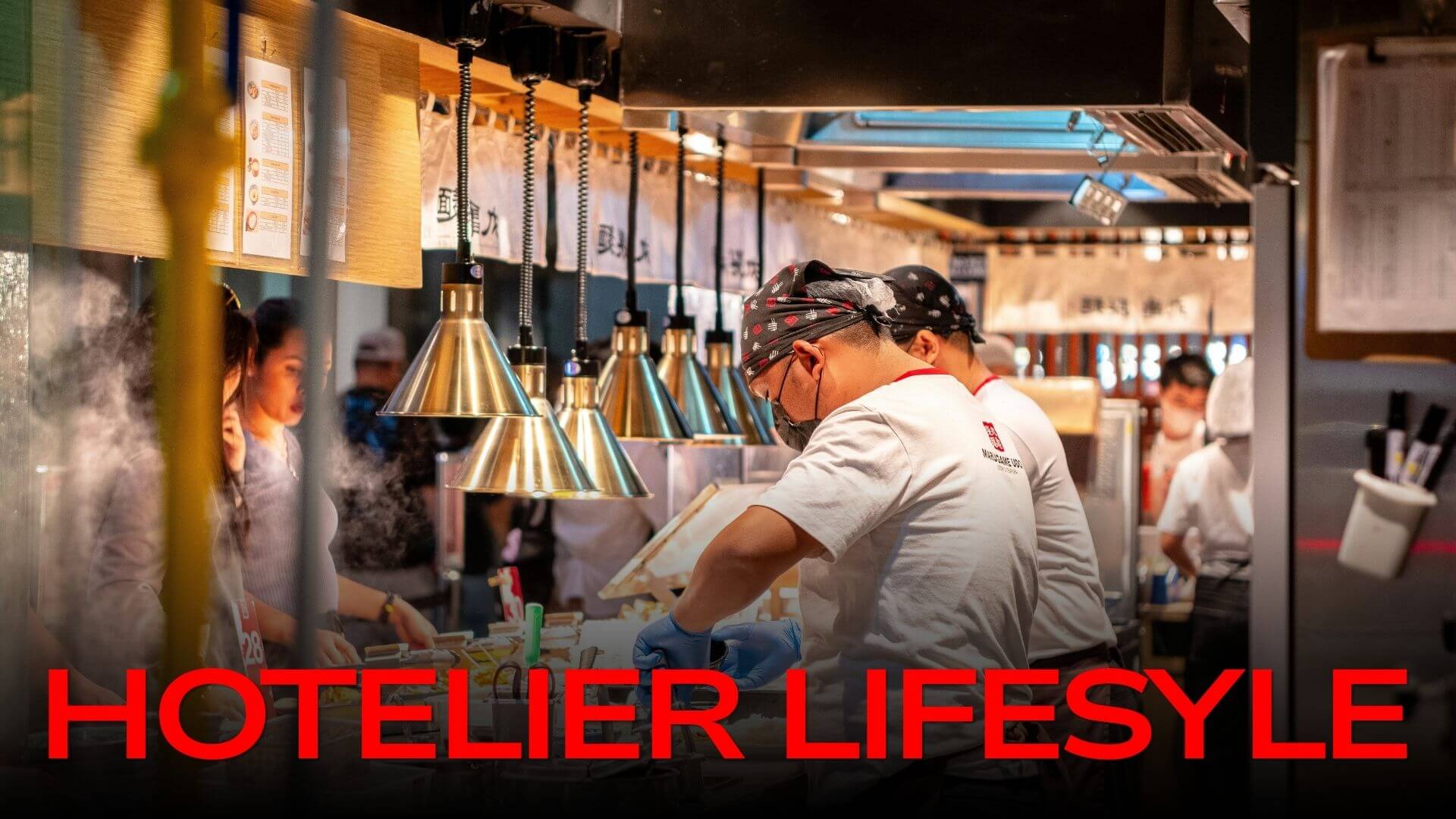
When I first stepped into a professional kitchen, I believed taste was everything. I thought if the food tasted good, the job was done. But I quickly realized something important. Guests eat with their eyes first. Before a single bite, presentation speaks. It tells a story. It builds expectations. It creates value.
In the hotel industry, food presentation is not just decoration. It is a skill. A discipline. A form of visual communication. Studies show that nearly 70% of diners judge food quality based on appearance before tasting it. That means plating can directly influence customer satisfaction and even pricing.
In this article, I will walk you through how I present food professionally in a hotel kitchen. I will explain techniques, principles, and the mindset behind every plate. I will also use classical French culinary terms like mise en place, garniture, and haute cuisine to give you a real industry perspective.
Understanding Food Presentation in Detail
Food presentation refers to the art of arranging and decorating food to enhance its visual appeal. The concept originates from haute cuisine, a French culinary tradition where chefs focus on elegance, balance, and precision. In luxury hotels, presentation is as important as flavor.
When I present a dish, I don’t just place food on a plate. I build a composition. Every element has a role. The protein acts as the focal point. The garniture supports it. The sauce adds movement and contrast. Even the empty space matters. This is called negative space, and it gives the plate a clean, refined look.
A well-presented dish increases perceived value. According to hospitality research, guests are willing to pay up to 30% more for visually appealing food. That is why five-star hotels invest heavily in plating training.
Presentation also reflects the chef’s identity. A rustic plating style gives a homely feel, while minimalistic plating shows sophistication. In modern kitchens, we combine tradition with creativity to deliver a memorable experience.
The Role of Mise en Place in Food Presentation
Before I even think about plating, I prepare everything. This is called mise en place, a French term meaning “everything in its place.” It is the foundation of professional cooking and presentation.
In a hotel kitchen, timing is critical. Food must be served hot, fresh, and visually perfect. If I start searching for ingredients during plating, I lose control. That is why I arrange sauces, garnishes, tools, and plates in advance.
Mise en place also helps maintain consistency. In large hotels, we serve hundreds of plates daily. Each plate must look identical. Guests expect the same quality every time. Proper preparation ensures that every dish meets the standard.
It also improves hygiene and efficiency. A clean workspace reduces mistakes. It allows me to focus on creativity instead of chaos. In fact, many top chefs say that 80% of presentation success depends on preparation.
Without mise en place, even the most skilled chef struggles. With it, plating becomes smooth, fast, and precise.
Principles of Balance and Composition
When I plate food, I follow basic design principles. Balance is the most important one. It includes color balance, portion balance, and visual weight.
A plate should not feel crowded or empty. If I overload it, it looks messy. If I underfill it, it looks incomplete. The goal is harmony. I usually follow the rule of thirds. This means placing the main item slightly off-center to create visual interest.
Color contrast is equally important. A dish with only one color looks dull. I add green herbs, bright vegetables, or colorful sauces to make it lively. Studies show that colorful plates increase appetite and satisfaction.
Texture also plays a role. I combine crispy, creamy, and soft elements to create depth. This not only improves taste but also enhances visual appeal.
In fine dining, we often use odd numbers of elements. For example, three pieces of meat instead of two. This creates a natural and pleasing arrangement.
Good composition turns a simple dish into a visual masterpiece.
Choosing the Right Plate and Equipment
The plate is not just a base. It is part of the presentation. In professional kitchens, we carefully select plates based on the dish.
White plates are the most common. They create a clean background and highlight colors. However, modern hotels also use black, stone, or textured plates for a unique look.
The size of the plate matters. A large plate with a small portion creates elegance. It gives space for design. This style is often used in haute cuisine.
I also use tools like squeeze bottles, tweezers, and brushes. These tools help me place sauces precisely and arrange garnishes neatly. Precision is key in professional plating.
Even the temperature of the plate is important. Hot dishes go on warm plates. Cold dishes go on chilled plates. This maintains food quality and enhances the dining experience.
Every detail matters. Even the smallest choice can change the overall impression.
The Art of Sauce Placement (Saucier Techniques)
Sauces are not just for flavor. They are visual elements. In French cuisine, the saucier is a specialist chef responsible for sauces. This shows how important they are.
I use different techniques to apply sauces. Sometimes I create a pool under the food. Sometimes I draw lines or dots. Each method creates a different effect.
A clean sauce line shows precision. A brushed sauce gives a modern touch. Dots create a playful design. The key is control. The sauce should not overpower the plate.
Consistency is also important. The sauce should have the right thickness. Too thin, and it spreads uncontrollably. Too thick, and it looks heavy.
In fine dining, we often serve sauce separately or pour it in front of the guest. This adds drama and enhances the experience.
A well-placed sauce can elevate a dish instantly.
Garnishing and Finishing Touches
Garnish is the final step. It adds freshness, color, and detail. But it must be meaningful. In professional kitchens, we follow a rule: garnish should be edible and relevant.
I avoid random decorations. Instead, I choose garnishes that complement the dish. Fresh herbs, microgreens, edible flowers, and citrus zest are common choices.
Microgreens have become popular in recent years. They add vibrant color and a delicate texture. Edible flowers bring elegance and uniqueness.
I also use finishing techniques like drizzling oil or sprinkling spices. These small touches enhance both appearance and aroma.
However, I keep it minimal. Too much garnish can distract from the main dish. The goal is to highlight, not hide.
A perfect garnish completes the story of the plate.
Modern Trends in Food Presentation
Food presentation has evolved over time. Today, chefs experiment with new styles and techniques.
One popular trend is deconstructed plating. Instead of mixing ingredients, we present them separately. This allows guests to explore flavors individually.
Another trend is minimalism. Simple plates with fewer elements but high precision. This style focuses on quality over quantity.
We also see the influence of molecular gastronomy. Techniques like foams, gels, and spheres create unique visual effects. These methods come from scientific cooking approaches.
Sustainability is also becoming important. Chefs use natural materials and reduce waste in presentation. This reflects modern values.
Social media has also changed plating styles. Dishes are now designed to be “Instagram-worthy.” Bright colors and creative layouts attract attention online.
The industry keeps evolving, and presentation continues to play a major role.
Importance of Food Presentation in the Hotel Industry
In the hotel industry, presentation directly impacts business. A well-presented dish creates a strong first impression. It enhances the dining experience.
Hotels compete not only on taste but also on visual appeal. Guests expect a premium experience. Presentation helps justify higher prices.
It also influences reviews and ratings. Many guests share photos online. A visually appealing dish attracts more attention and positive feedback.
Presentation also reflects brand identity. Luxury hotels focus on elegance. Casual hotels focus on comfort. Each style communicates a message.
According to industry reports, restaurants with strong visual presentation see higher customer retention. This shows the importance of plating in long-term success.
In short, presentation is not optional. It is essential.
Conclusion
Food presentation is more than decoration. It is an art, a science, and a business strategy. In my experience, a well-presented dish creates excitement, builds trust, and enhances satisfaction.
From mise en place to garnishing, every step matters. Balance, color, texture, and precision all work together to create a memorable plate.
In the hotel industry, presentation defines quality. It sets expectations. It influences perception. And most importantly, it turns food into an experience.
When I present a dish, I don’t just serve food. I tell a story. And that story begins the moment the plate reaches the table.
FAQs
1. What is food presentation in the hotel industry?
Food presentation is the art of arranging and decorating food to enhance its visual appeal and improve the dining experience.
2. Why is food presentation important in restaurants?
It creates a strong first impression, increases perceived value, and improves customer satisfaction.
3. What are the basic rules of plating food?
Balance, color contrast, portion control, and clean arrangement are the key rules.
4. What is mise en place in food presentation?
Mise en place means preparing and organizing all elements before cooking and plating.
5. How can I improve my food presentation skills?
Practice regularly, study professional plating styles, and focus on balance, precision, and creativity.
Introduction
When I first stepped into a professional kitchen, I believed taste was everything. I thought if the food tasted good, the job was done. But I quickly realized something important. Guests eat with their eyes first. Before a single bite, presentation speaks. It tells a story. It builds expectations. It creates value.
In the hotel industry, food presentation is not just decoration. It is a skill. A discipline. A form of visual communication. Studies show that nearly 70% of diners judge food quality based on appearance before tasting it. That means plating can directly influence customer satisfaction and even pricing.
In this article, I will walk you through how I present food professionally in a hotel kitchen. I will explain techniques, principles, and the mindset behind every plate. I will also use classical French culinary terms like mise en place, garniture, and haute cuisine to give you a real industry perspective.
Understanding Food Presentation in Detail
Food presentation refers to the art of arranging and decorating food to enhance its visual appeal. The concept originates from haute cuisine, a French culinary tradition where chefs focus on elegance, balance, and precision. In luxury hotels, presentation is as important as flavor.
When I present a dish, I don’t just place food on a plate. I build a composition. Every element has a role. The protein acts as the focal point. The garniture supports it. The sauce adds movement and contrast. Even the empty space matters. This is called negative space, and it gives the plate a clean, refined look.
A well-presented dish increases perceived value. According to hospitality research, guests are willing to pay up to 30% more for visually appealing food. That is why five-star hotels invest heavily in plating training.
Presentation also reflects the chef’s identity. A rustic plating style gives a homely feel, while minimalistic plating shows sophistication. In modern kitchens, we combine tradition with creativity to deliver a memorable experience.
The Role of Mise en Place in Food Presentation
Before I even think about plating, I prepare everything. This is called mise en place, a French term meaning “everything in its place.” It is the foundation of professional cooking and presentation.
In a hotel kitchen, timing is critical. Food must be served hot, fresh, and visually perfect. If I start searching for ingredients during plating, I lose control. That is why I arrange sauces, garnishes, tools, and plates in advance.
Mise en place also helps maintain consistency. In large hotels, we serve hundreds of plates daily. Each plate must look identical. Guests expect the same quality every time. Proper preparation ensures that every dish meets the standard.
It also improves hygiene and efficiency. A clean workspace reduces mistakes. It allows me to focus on creativity instead of chaos. In fact, many top chefs say that 80% of presentation success depends on preparation.
Without mise en place, even the most skilled chef struggles. With it, plating becomes smooth, fast, and precise.
Principles of Balance and Composition
When I plate food, I follow basic design principles. Balance is the most important one. It includes color balance, portion balance, and visual weight.
A plate should not feel crowded or empty. If I overload it, it looks messy. If I underfill it, it looks incomplete. The goal is harmony. I usually follow the rule of thirds. This means placing the main item slightly off-center to create visual interest.
Color contrast is equally important. A dish with only one color looks dull. I add green herbs, bright vegetables, or colorful sauces to make it lively. Studies show that colorful plates increase appetite and satisfaction.
Texture also plays a role. I combine crispy, creamy, and soft elements to create depth. This not only improves taste but also enhances visual appeal.
In fine dining, we often use odd numbers of elements. For example, three pieces of meat instead of two. This creates a natural and pleasing arrangement.
Good composition turns a simple dish into a visual masterpiece.
Choosing the Right Plate and Equipment
The plate is not just a base. It is part of the presentation. In professional kitchens, we carefully select plates based on the dish.
White plates are the most common. They create a clean background and highlight colors. However, modern hotels also use black, stone, or textured plates for a unique look.
The size of the plate matters. A large plate with a small portion creates elegance. It gives space for design. This style is often used in haute cuisine.
I also use tools like squeeze bottles, tweezers, and brushes. These tools help me place sauces precisely and arrange garnishes neatly. Precision is key in professional plating.
Even the temperature of the plate is important. Hot dishes go on warm plates. Cold dishes go on chilled plates. This maintains food quality and enhances the dining experience.
Every detail matters. Even the smallest choice can change the overall impression.
The Art of Sauce Placement (Saucier Techniques)
Sauces are not just for flavor. They are visual elements. In French cuisine, the saucier is a specialist chef responsible for sauces. This shows how important they are.
I use different techniques to apply sauces. Sometimes I create a pool under the food. Sometimes I draw lines or dots. Each method creates a different effect.
A clean sauce line shows precision. A brushed sauce gives a modern touch. Dots create a playful design. The key is control. The sauce should not overpower the plate.
Consistency is also important. The sauce should have the right thickness. Too thin, and it spreads uncontrollably. Too thick, and it looks heavy.
In fine dining, we often serve sauce separately or pour it in front of the guest. This adds drama and enhances the experience.
A well-placed sauce can elevate a dish instantly.
Garnishing and Finishing Touches
Garnish is the final step. It adds freshness, color, and detail. But it must be meaningful. In professional kitchens, we follow a rule: garnish should be edible and relevant.
I avoid random decorations. Instead, I choose garnishes that complement the dish. Fresh herbs, microgreens, edible flowers, and citrus zest are common choices.
Microgreens have become popular in recent years. They add vibrant color and a delicate texture. Edible flowers bring elegance and uniqueness.
I also use finishing techniques like drizzling oil or sprinkling spices. These small touches enhance both appearance and aroma.
However, I keep it minimal. Too much garnish can distract from the main dish. The goal is to highlight, not hide.
A perfect garnish completes the story of the plate.
Modern Trends in Food Presentation
Food presentation has evolved over time. Today, chefs experiment with new styles and techniques.
One popular trend is deconstructed plating. Instead of mixing ingredients, we present them separately. This allows guests to explore flavors individually.
Another trend is minimalism. Simple plates with fewer elements but high precision. This style focuses on quality over quantity.
We also see the influence of molecular gastronomy. Techniques like foams, gels, and spheres create unique visual effects. These methods come from scientific cooking approaches.
Sustainability is also becoming important. Chefs use natural materials and reduce waste in presentation. This reflects modern values.
Social media has also changed plating styles. Dishes are now designed to be “Instagram-worthy.” Bright colors and creative layouts attract attention online.
The industry keeps evolving, and presentation continues to play a major role.
Importance of Food Presentation in the Hotel Industry
In the hotel industry, presentation directly impacts business. A well-presented dish creates a strong first impression. It enhances the dining experience.
Hotels compete not only on taste but also on visual appeal. Guests expect a premium experience. Presentation helps justify higher prices.
It also influences reviews and ratings. Many guests share photos online. A visually appealing dish attracts more attention and positive feedback.
Presentation also reflects brand identity. Luxury hotels focus on elegance. Casual hotels focus on comfort. Each style communicates a message.
According to industry reports, restaurants with strong visual presentation see higher customer retention. This shows the importance of plating in long-term success.
In short, presentation is not optional. It is essential.
Conclusion
Food presentation is more than decoration. It is an art, a science, and a business strategy. In my experience, a well-presented dish creates excitement, builds trust, and enhances satisfaction.
From mise en place to garnishing, every step matters. Balance, color, texture, and precision all work together to create a memorable plate.
In the hotel industry, presentation defines quality. It sets expectations. It influences perception. And most importantly, it turns food into an experience.
When I present a dish, I don’t just serve food. I tell a story. And that story begins the moment the plate reaches the table.
FAQs
1. What is food presentation in the hotel industry?
Food presentation is the art of arranging and decorating food to enhance its visual appeal and improve the dining experience.
2. Why is food presentation important in restaurants?
It creates a strong first impression, increases perceived value, and improves customer satisfaction.
3. What are the basic rules of plating food?
Balance, color contrast, portion control, and clean arrangement are the key rules.
4. What is mise en place in food presentation?
Mise en place means preparing and organizing all elements before cooking and plating.
5. How can I improve my food presentation skills?
Practice regularly, study professional plating styles, and focus on balance, precision, and creativity.