
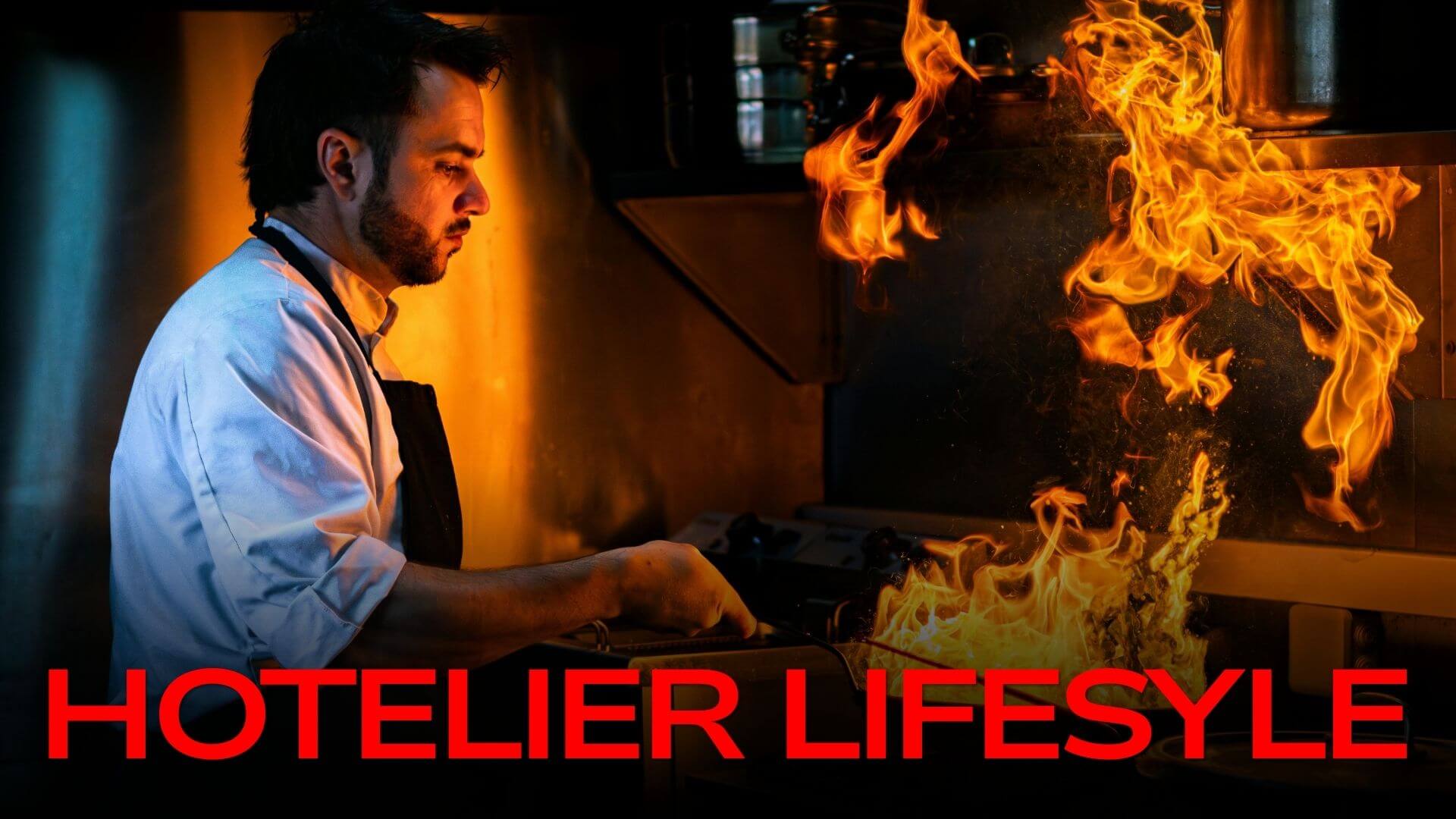
I have spent enough time around professional kitchens to understand one simple truth—behind every perfectly plated dish, there is a space filled with pressure, heat, speed, and risk. A hotel kitchen is not just a place where food is cooked; it is a highly active environment where multiple operations run at once. This constant motion creates opportunities for different types of threats to arise.
When I talk about “threats in the kitchen,” I am not only referring to accidents. I am also including hygiene risks, operational hazards, food safety issues, and even psychological stress. In the hotel industry, these threats can affect staff, guests, and the reputation of the business. According to industry reports, nearly 60% of kitchen accidents occur due to human error, while food contamination accounts for a large portion of customer complaints globally.
Understanding these threats is not optional. It is essential. In this article, I will break down each type of threat in detail, using simple language but going deep into the subject so you can truly understand what happens inside a professional kitchen.
Physical Hazards (Les dangers physiques)
When I step into a hotel kitchen, the first thing I notice is how physically demanding the environment is. Physical hazards are the most visible and immediate threats. These include burns, cuts, slips, and falls. The combination of sharp knives, boiling liquids, hot oil, and wet floors creates a dangerous workspace.
Burn injuries are extremely common. Studies show that nearly 40% of kitchen staff experience minor burns every year. Hot surfaces like grills, ovens, and sauté pans can reach temperatures above 200°C. One careless movement can result in serious injury.
Knife-related accidents are another major concern. In French culinary language, we often refer to knife techniques as “mise en place” preparation skills. But without proper training, these tools become threats instead of assets. A dull knife is actually more dangerous than a sharp one because it requires more force and increases the chance of slipping.
Slippery floors also contribute to accidents. Spilled oil, water, or food waste creates unsafe walking conditions. I have seen experienced chefs fall simply because someone ignored a small spill.
To manage these hazards, kitchens must enforce safety practices like proper footwear, regular cleaning, and structured workflows.
Biological Hazards (Les risques biologiques)
Biological hazards are less visible but far more dangerous. These threats come from microorganisms such as bacteria, viruses, and parasites that contaminate food. When I think about kitchen safety, this is the area that requires the most discipline.
Foodborne illnesses affect millions of people every year. Common bacteria like Salmonella and E. coli thrive in poorly handled food. Improper storage temperatures, cross-contamination, and lack of hygiene are the main causes.
In professional kitchens, we follow the concept of “HACCP” (Hazard Analysis Critical Control Points). This system helps identify where contamination can occur and how to prevent it. For example, raw meat must never come into contact with ready-to-eat food. Even a small mistake can lead to serious consequences.
Temperature control is critical. Perishable food must be stored below 5°C or cooked above 63°C to prevent bacterial growth. If food stays in the “danger zone” for too long, bacteria multiply rapidly.
Hand hygiene is another key factor. I always emphasize washing hands properly because it is the simplest yet most ignored practice. A single contaminated hand can spread bacteria across multiple surfaces.
Chemical Hazards (Les dangers chimiques)
Chemical hazards often go unnoticed, yet they pose serious risks. These threats come from cleaning agents, pesticides, and even food additives when used incorrectly.
In hotel kitchens, we use strong cleaning chemicals to maintain hygiene. These include sanitizers, degreasers, and disinfectants. If these substances accidentally come into contact with food, they can cause poisoning.
Improper storage is a common issue. Chemicals should always be kept away from food items. However, in busy kitchens, I have seen bottles placed carelessly near ingredients. This increases the risk of contamination.
Another concern is the misuse of food additives. Preservatives and colorants must be used within safe limits. Overuse can affect both taste and health.
French culinary standards often emphasize “qualité et sécurité alimentaire” (food quality and safety). This principle ensures that only approved substances are used in controlled quantities.
Proper labeling, staff training, and strict protocols are essential to manage chemical hazards effectively.
Fire Hazards (Les risques d’incendie)
Fire is one of the most dangerous threats in a kitchen. With open flames, gas lines, and hot oil, the risk of fire is always present.
Grease fires are the most common type. When oil overheats, it can ignite instantly. Water should never be used to extinguish such fires because it spreads the flames. Instead, fire blankets or extinguishers are required.
Electrical equipment also contributes to fire risks. Faulty wiring, overloaded circuits, or damaged appliances can spark fires. According to safety data, nearly 30% of kitchen fires are linked to electrical issues.
Gas leaks are another serious concern. Even a small leak can lead to explosions if not detected early. Regular maintenance and inspection are crucial.
In professional kitchens, we follow strict fire safety protocols. Fire extinguishers must be easily accessible. Staff must be trained to respond quickly.
I always believe that prevention is better than reaction. Keeping equipment clean, especially grease traps, significantly reduces fire risk.
Ergonomic Hazards (Les risques ergonomiques)
Ergonomic hazards develop over time. They are not sudden like burns or cuts but can cause long-term damage to the body.
Kitchen staff often work long hours, standing for extended periods. Repetitive movements like chopping, stirring, and lifting heavy pots can lead to muscle strain and joint pain.
Back injuries are very common. Lifting heavy containers without proper technique puts pressure on the spine. I have seen many workers suffer from chronic pain due to poor posture.
Workstation design plays a big role. If the height of counters or equipment is not suitable, it forces workers into uncomfortable positions.
In French kitchens, the concept of “ergonomie du travail” focuses on designing spaces that reduce physical stress. Adjustable equipment and proper layout can make a huge difference.
Taking short breaks, using supportive footwear, and practicing correct lifting techniques help reduce these risks.
Psychological and Stress-Related Threats (Le stress professionnel)
A hotel kitchen is not just physically demanding; it is mentally intense. The pressure to deliver perfect dishes quickly creates a high-stress environment.
During peak hours, the kitchen becomes chaotic. Orders come in rapidly, and there is no room for mistakes. This constant pressure can lead to anxiety, burnout, and even depression.
Studies show that hospitality workers experience higher stress levels compared to many other professions. Long shifts, late hours, and lack of rest contribute to mental fatigue.
Communication breakdown is another issue. Misunderstandings between team members can increase tension and lead to errors.
The French term “brigade de cuisine” refers to the structured hierarchy in kitchens. While this system improves efficiency, it can also create pressure if not managed properly.
I believe that a supportive work environment is essential. Encouraging teamwork, clear communication, and proper scheduling can reduce stress significantly.
Food Safety and Allergen Threats (Sécurité alimentaire et allergènes)
Food allergies have become a major concern in the hotel industry. Even a small trace of an allergen can cause severe reactions.
Common allergens include nuts, dairy, gluten, and shellfish. Kitchens must handle these ingredients carefully to avoid cross-contact.
Labeling is critical. Every ingredient must be clearly identified. Staff should know which dishes contain allergens.
I always stress the importance of communication between the kitchen and service staff. If a guest has an allergy, the information must be passed accurately.
Food safety also includes proper storage, cooking, and handling practices. Contaminated food can lead to serious health issues and damage the reputation of the hotel.
The concept of “traçabilité alimentaire” (food traceability) ensures that every ingredient can be tracked from source to plate.
Conclusion
When I look at a hotel kitchen, I see more than just a place where food is prepared. I see a complex system where multiple risks exist at every level. From physical injuries to invisible biological threats, each hazard has the potential to cause serious harm.
Understanding these threats is the first step toward prevention. Proper training, strict protocols, and awareness can transform a risky environment into a safe and efficient workspace.
The kitchen will always be a fast-paced and demanding place. That will never change. But with the right approach, we can control the risks and ensure safety for everyone involved.
FAQs
1. What are the most common hazards in a hotel kitchen?
The most common hazards include burns, cuts, slips, food contamination, and fire risks.
2. How can food contamination be prevented in kitchens?
By maintaining hygiene, controlling temperature, avoiding cross-contamination, and following HACCP guidelines.
3. Why is fire safety important in hotel kitchens?
Because kitchens use open flames and hot oil, making them highly prone to fires.
4. What is the role of HACCP in kitchen safety?
HACCP helps identify and control potential food safety hazards at critical points.
5. How can stress be managed in a professional kitchen?
Through proper teamwork, communication, scheduling, and maintaining a supportive work environment.