
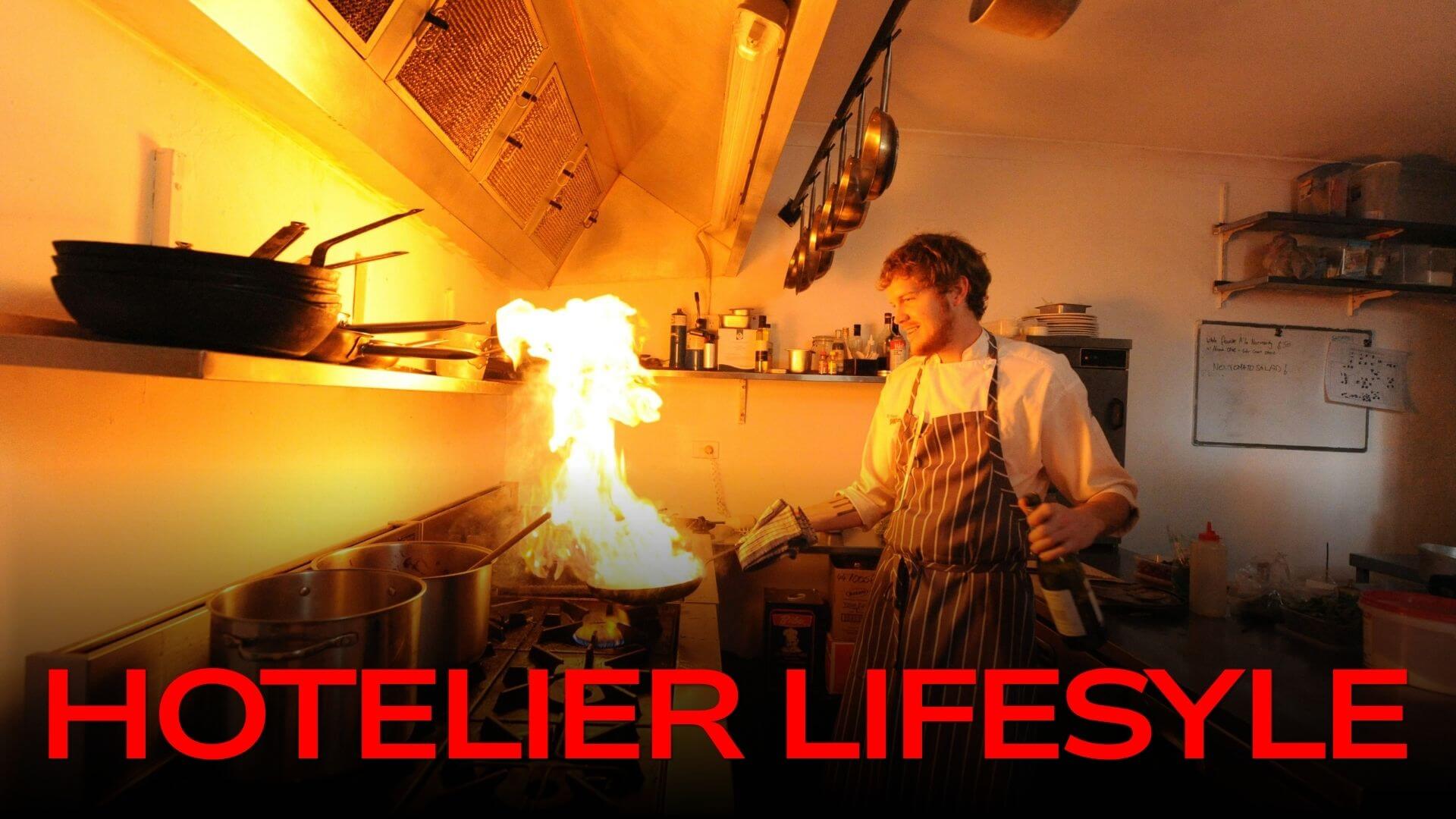
I have spent enough time inside busy hotel kitchens to know one truth—accidents do not knock before entering. A sharp knife slips. Hot oil splashes. Steam burns skin in seconds. In the middle of service, everything moves fast, and even a small mistake can turn into a serious injury. That is why first aid is not just a skill; it is a responsibility.
In the hotel industry, the kitchen operates like a battlefield. Heat, pressure, speed, and coordination define every moment. According to workplace safety reports, nearly 60% of kitchen injuries involve cuts, burns, and slips, and most of them happen during peak hours. This makes first aid knowledge essential for chefs, commis, stewards, and even service staff.
The term first aid originates from the French phrase “premiers secours”, meaning “first help.” It refers to the immediate care given to an injured person before professional medical treatment arrives. In a kitchen, this “first help” can prevent infection, reduce pain, and even save lives.
In this article, I will walk through how I approach first aid in kitchen accidents, what the real aim of first aid is, and how simple actions—done correctly—can make a huge difference.
Understanding the Aim of First Aid in Kitchen Accidents
When I think about first aid, I do not see it as just applying a bandage or pouring water on a burn. I see it as a structured response guided by three clear objectives: preserve life, prevent worsening, and promote recovery.
These principles align with the French concept of “triage”, originally used in battlefield medicine to prioritize care based on severity. In a kitchen, I mentally follow a similar approach. I quickly assess the situation. Is the injury life-threatening? Is there heavy bleeding? Is the person conscious?
The first aim—preserving life—comes first. If someone collapses due to heat exhaustion or shock, I act immediately. I ensure airflow. I loosen tight clothing. I call for help. Every second matters.
The second aim is preventing the condition from getting worse. A small burn can become infected if ignored. A cut can lead to heavy bleeding if not controlled. I always stabilize the situation before moving forward.
The third aim is promoting recovery. Clean dressing. Proper positioning. Keeping the injured person calm. These small steps support healing.
In professional kitchens, where time pressure dominates, many people skip proper care. That is where mistakes happen. First aid is not about speed alone—it is about doing the right thing, in the right way, at the right time.
First Aid for Cuts and Lacerations (Les Coupures)
Cuts are the most common kitchen injuries. I have seen everything—from minor knife nicks to deep lacerations caused by slicers. The French culinary term “mise en place” teaches organization, but even in the most organized kitchen, accidents happen.
When I deal with a cut, I follow a simple but effective process. First, I stop the bleeding. I apply direct pressure using a clean cloth or sterile gauze. If the bleeding is heavy, I elevate the injured area above heart level. This reduces blood flow.
Once the bleeding slows, I clean the wound. I use clean water—never dirty cloths or unwashed hands. Hygiene matters. Kitchens are full of bacteria, and infection is a real risk.
After cleaning, I apply an antiseptic. This step prevents microbial growth. Then I cover the wound with a sterile dressing. In hotel kitchens, I always use waterproof bandages to maintain hygiene standards.
If the cut is deep, wide, or continues bleeding for more than 10 minutes, I do not take risks. I escalate it to medical care immediately.
Statistics suggest that knife injuries account for nearly 40% of kitchen accidents. That number alone tells me one thing—every kitchen professional must master this basic first aid skill.
First Aid for Burns (Les Brûlures)
Burns in kitchens happen in seconds. Hot oil, boiling water, steam, open flames—everything poses a risk. I have learned that the way I respond in the first minute determines how severe the injury becomes.
The first thing I do is remove the source of heat. Then I cool the burn immediately using running cold water for at least 10 to 20 minutes. This step is critical. It reduces skin damage and relieves pain.
I never use ice directly. That can damage tissue further. I also avoid applying butter or oil—common myths that actually worsen the injury.
Once cooled, I cover the burn loosely with a sterile, non-stick dressing. This protects the area from infection.
Burns are categorized into degrees. First-degree burns affect only the outer layer. Second-degree burns cause blisters. Third-degree burns damage deeper tissues and require urgent medical care.
In professional kitchens, burn injuries make up nearly 30% of reported incidents. That is why I always stay alert around hot surfaces and ensure first aid supplies are within reach.
First Aid for Slips, Falls, and Fractures
A wet floor in a kitchen is more dangerous than it looks. Oil spills, water drops, food waste—these create invisible hazards. I have seen colleagues slip and suffer serious injuries, including fractures.
When someone falls, I never rush to move them immediately. First, I assess their condition. Are they conscious? Are they in pain? Can they move?
If I suspect a fracture, I keep the injured area still. Immobilization is key. I use makeshift supports if needed—like a wooden spoon or folded cloth—to stabilize the limb.
If there is swelling, I apply a cold compress. This reduces inflammation. I also keep the injured person calm and still until help arrives.
According to safety data, slips and falls account for nearly 25% of workplace injuries in kitchens. That is a significant number. Prevention matters, but knowing how to respond matters even more.
First Aid for Cuts from Sharp Equipment (Mechanical Injuries)
Modern kitchens use machines—slicers, grinders, mixers. These tools increase efficiency but also increase risk. Injuries from these machines can be severe.
When I handle such injuries, my approach changes slightly. If there is heavy bleeding, I apply firm pressure immediately. If a body part is severed, I preserve it carefully in a clean cloth and keep it cool—not frozen.
I never wash deep wounds aggressively. Instead, I cover them and seek medical help immediately.
The key here is not to panic. Machine injuries look serious, but controlled action can prevent further damage.
First Aid for Choking (Étouffement)
Choking is silent and deadly. It often happens when someone eats quickly during a break or accidentally inhales food particles.
If a person cannot speak or breathe, I act immediately. I perform abdominal thrusts—commonly known as the Heimlich maneuver. I stand behind the person, wrap my arms around their waist, and apply quick inward and upward pressure.
This action forces air out of the lungs and can dislodge the obstruction.
Time is critical. Brain damage can begin within 4 to 6 minutes without oxygen. That is why I never delay action in choking situations.
First Aid for Electric Shocks
Kitchens use multiple electrical appliances. Faulty wiring or wet hands can lead to electric shocks.
If someone gets electrocuted, I do not touch them directly. I first switch off the power source. If that is not possible, I use a non-conductive object like a wooden stick to separate them from the source.
Then I check for breathing and pulse. If needed, I begin CPR.
Electric injuries may not always show external damage, but internal harm can be severe. Immediate medical evaluation is always necessary.
Importance of First Aid Training in the Hotel Industry
I strongly believe that every kitchen professional should undergo first aid training. It is not optional—it is essential.
Training builds confidence. It reduces panic. It ensures that the response is quick and correct.
Many hotels now include “Hygiène et sécurité” (hygiene and safety) training programs as part of staff development. These programs teach practical skills, not just theory.
A trained team creates a safer kitchen. It also improves overall productivity because fewer accidents mean fewer disruptions.
Conclusion
Working in a hotel kitchen demands skill, speed, and awareness. But above all, it demands responsibility. Accidents may be unavoidable, but how we respond to them defines the outcome.
For me, first aid is not just a procedure—it is a mindset. I stay alert. I stay prepared. I act with clarity.
From cuts to burns, from slips to choking, every situation requires a calm and informed response. The aim remains the same—protect life, control the damage, and support recovery.
In a space where heat, sharp tools, and pressure coexist, first aid becomes a silent guardian. And every professional in the kitchen must be ready to step into that role when needed.
FAQs
1. What is the first thing to do in a kitchen accident?
I first ensure safety, stop the cause of injury, and assess the situation before giving first aid.
2. How long should I cool a burn in the kitchen?
I cool burns under running water for at least 10 to 20 minutes to reduce damage.
3. What is the main aim of first aid in kitchen accidents?
The main aim is to preserve life, prevent the condition from worsening, and promote recovery.
4. Should I use ice on burns?
No. I avoid ice because it can damage the skin further.
5. Why is first aid training important in hotel kitchens?
It prepares staff to respond quickly and correctly, reducing injury severity and improving workplace safety.