
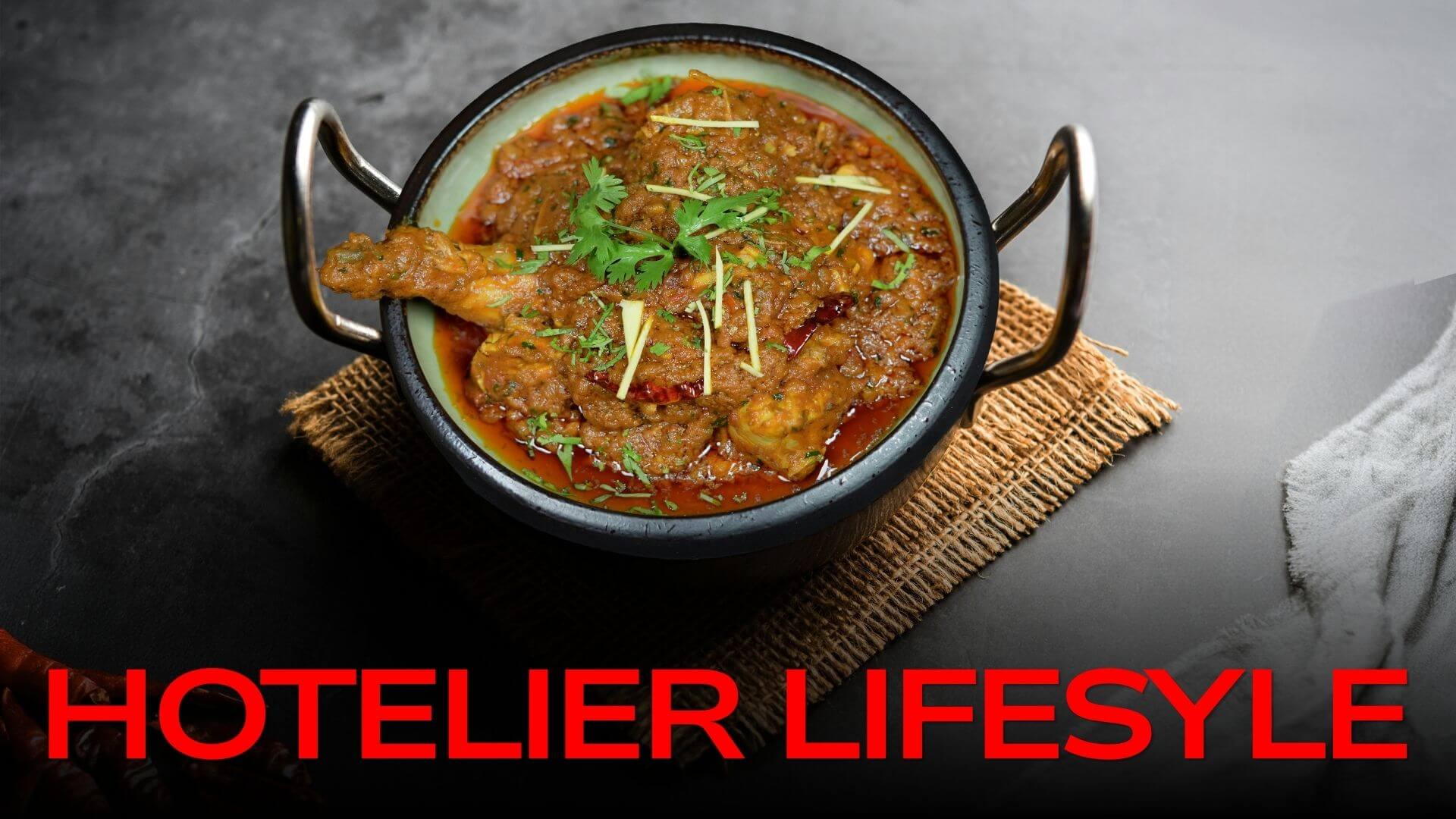
When I first stepped into a professional hotel kitchen, I quickly realized something important—Indian cuisine is not just about spices. It is about gravies. Gravies are the backbone, the âme (soul), of Indian cooking. They carry flavor, texture, aroma, and identity. In the hotel industry, especially in large-scale kitchens, mastering gravies is not optional. It is essential.
Indian gravies are not random mixtures. They follow a system. A structure. A foundation built over centuries. Whether I am preparing a rich murgh makhani or a simple aloo curry, the base gravy determines the final outcome. In fact, in many professional kitchens, chefs prepare bulk gravies in advance—known as “mother gravies”—to maintain consistency and speed during service.
India offers over 500 documented regional gravy styles, according to culinary archives and hospitality training manuals. Each reflects geography, climate, and local produce. North India favors creamy, dairy-based gravies. South India leans toward coconut and tamarind. Western India uses nuts and spices boldly. Eastern cuisine often keeps it light but aromatic.
In this article, I will walk you through what Indian gravies really are, their origins, their classification, and how we prepare them in hotel kitchens. I will also share practical recipes that are used in real-world hospitality environments—not just home cooking shortcuts.
Understanding Indian Gravies: Definition and Origin
In simple terms, an Indian gravy is a liquid or semi-liquid base used to cook vegetables, meat, or paneer. But that definition feels too plain. A gravy is actually a carefully layered preparation where ingredients are built step by step to create depth.
The word “gravy” itself comes from European culinary vocabulary, but Indian cooking had its own versions long before colonial influence. Ancient texts like the Manasollasa (12th century) describe spiced sauces and broths used with meats and vegetables. These early gravies relied heavily on yogurt, ground spices, and herbal extracts.
In modern hotel kitchens, we refer to gravies as “base sauces.” This aligns with the French culinary system of sauces mères (mother sauces). Just like béchamel or espagnole in French cuisine, Indian kitchens have their own foundational gravies.
A proper Indian gravy balances five elements: fat, acidity, heat, aroma, and body. If one element dominates, the dish feels incomplete. For example, too much acidity from tomatoes can overpower spices. Too much fat can dull flavors.
From my experience, consistency is key in the hotel industry. Guests expect the same taste every time. That is why we standardize gravies using measured recipes, controlled cooking times, and specific techniques like bhunao (slow sautéing) and dum (slow cooking under pressure).
Types of Indian Gravies Used in Hotel Kitchens
1. White Gravy (Shahi Base)
This is one of the most luxurious gravies I prepare. Known as Shahi gravy, it has Mughlai origins. It is rich, subtle, and mildly spiced.
The base includes onions, cashew nuts, melon seeds, cream, and sometimes yogurt. We avoid strong spices. Instead, we focus on texture and smoothness. The French term velouté fits well here because of its silky consistency.
In hotels, this gravy is used for dishes like Shahi Paneer, Malai Kofta, and Chicken Korma. It is prepared in bulk, strained carefully, and stored under refrigeration.
Recipe (Hotel Style):
- Boil sliced onions, cashews, and melon seeds
- Blend into a smooth paste
- Cook in ghee with ginger-garlic paste
- Add cream and mild spices like white pepper
- Finish with a touch of kewra water for aroma
This gravy is high in calories. Studies show that dishes made with white gravy can contain up to 350–500 calories per serving, mainly due to fat content. That is why portion control matters in professional kitchens.
2. Brown Gravy (Onion-Tomato Base)
If there is one gravy I rely on daily, it is this one. Brown gravy is the workhorse of Indian cuisine.
It uses onions, tomatoes, oil, and a blend of spices. The key technique here is bhunao. I cook the mixture slowly until the oil separates. This stage defines the flavor.
Brown gravy forms the base for dishes like Butter Chicken, Paneer Butter Masala, and Chicken Curry. It is bold, slightly tangy, and deeply aromatic.
Recipe:
- Fry onions until golden brown
- Add ginger-garlic paste
- Add tomato puree
- Cook until oil separates
- Add spices: turmeric, coriander, cumin
- Blend for smoothness if required
In hotel kitchens, we often prepare this in large batches—sometimes 10 to 20 liters at a time. It saves time during peak service hours.
3. Red Gravy (Masaledar Base)
This gravy is intense. Fiery. Vibrant. It uses red chilies and tomatoes as the main components.
I use this gravy for dishes that demand heat and color, like Laal Maas or spicy curries. The French term rouge sauce loosely relates here due to its color profile.
Recipe:
- Soak dried red chilies
- Blend with garlic and tomatoes
- Cook in oil with whole spices
- Add salt and a hint of vinegar for balance
This gravy is popular in Rajasthan and parts of North India. Capsaicin levels in red chilies can boost metabolism by up to 8%, according to nutritional studies. That is one reason spicy food feels energizing.
4. Green Gravy (Hariyali Base)
Fresh. Herbaceous. Light.
Green gravy uses coriander, mint, green chilies, and yogurt. It is common in kebabs and grilled dishes.
In hotel kitchens, I prepare this fresh daily because herbs lose color quickly. Oxidation can dull the bright green shade within hours.
Recipe:
- Blend coriander, mint, green chilies
- Add yogurt and lemon juice
- Cook lightly to retain color
- Season with cumin and garam masala
This gravy pairs well with Hariyali Chicken and Paneer Tikka Masala (green variant).
5. Coconut-Based Gravy (South Indian Style)
This gravy reflects coastal India—Kerala, Tamil Nadu, Karnataka.
Coconut adds sweetness and body. Tamarind adds acidity. Curry leaves bring aroma.
Recipe:
- Grind coconut with spices
- Cook with mustard seeds and curry leaves
- Add tamarind extract
- Simmer gently
This gravy is used in dishes like Fish Curry and Vegetable Stew. Coconut contains medium-chain triglycerides (MCTs), which are known for quick energy release.
Techniques Used in Hotel Kitchens
In professional kitchens, technique matters more than ingredients. Anyone can follow a recipe, but not everyone can control heat, timing, and texture.
I rely heavily on:
- Bhunao (slow roasting)
- Tadka (tempering spices in hot oil)
- Dum (sealed slow cooking)
- Reduction (thickening sauces)
Consistency is achieved through mise en place—a French concept meaning “everything in its place.” Every ingredient is prepped, measured, and ready before cooking begins.
We also use industrial equipment like steam kettles and tilt skillets. These help maintain uniform heat distribution, which is critical when preparing large batches.
Conclusion
Indian gravies are not just recipes. They are systems. Structured, layered, and deeply rooted in history.
In the hotel industry, gravies define efficiency and consistency. They allow chefs to serve hundreds of guests without compromising on taste. Whether it is a creamy white gravy or a fiery red one, each has its place and purpose.
From my journey in professional kitchens, I have learned that mastering gravies is like learning a language. Once you understand the basics, you can create endless variations. You can innovate. You can adapt.
And most importantly, you can deliver food that feels authentic, rich, and memorable—every single time.
FAQs
1. What are the main types of Indian gravies?
White, brown, red, green, and coconut-based gravies are the most commonly used types in Indian cuisine and hotel kitchens.
2. What is the base of Indian gravy?
Most Indian gravies use onion, tomato, spices, and fat as the base, with variations depending on the region.
3. Why are gravies important in the hotel industry?
They ensure consistency, speed, and efficiency in large-scale cooking operations.
4. What is bhunao in Indian cooking?
It is a technique where ingredients are cooked slowly until oil separates, enhancing flavor depth.
5. Which Indian gravy is healthiest?
Green and coconut-based gravies are generally lighter, while white gravies are richer and higher in calories.