
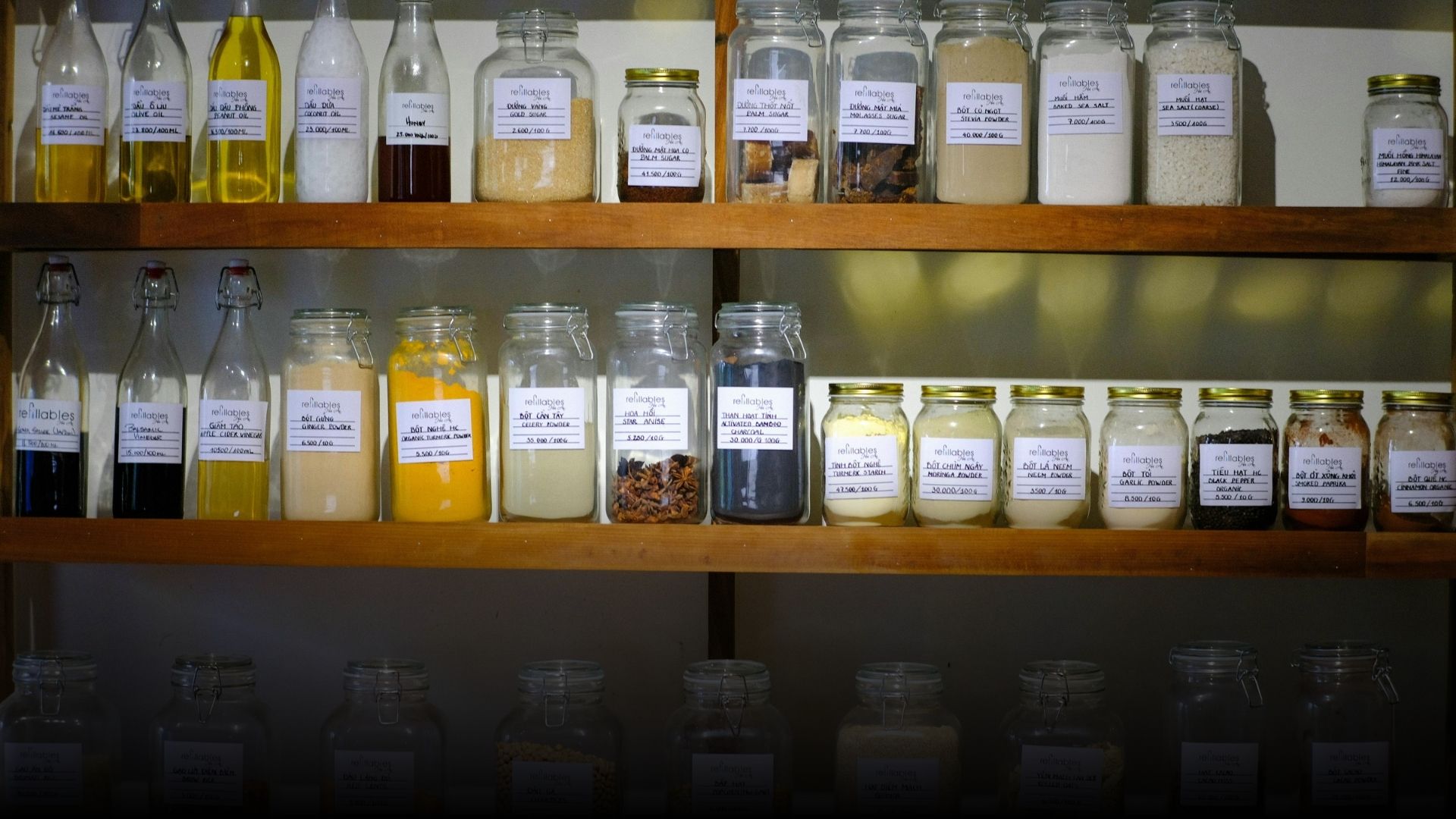
When I first started cooking seriously, I thought herbs were just a garnish. Something green to sprinkle on top at the end. But I was wrong. Herbs are not decoration. They are the soul of a dish. They change aroma, depth, and even texture. If you use them correctly, they can turn a simple meal into something memorable.
In professional kitchens, especially in French cuisine, herbs are treated with respect. Terms like bouquet garni, fines herbes, and herbes de Provence are not just fancy words. They represent technique, timing, and balance. Each herb behaves differently under heat. Some release flavor slowly. Others lose everything if cooked too long.
Understanding how to cook herbs is not about memorizing rules. It is about knowing their nature. Soft herbs need a gentle touch. Hard herbs demand time. Some prefer oil. Some need moisture.
In this guide, I will walk you through how different herbs should be cooked, when to add them, and why it matters. Let’s get into the details.
Understanding Herbs: Definition, Origin, and Classification
Before we cook herbs, we need to understand what they are. Herbs are the leafy green parts of plants used for flavoring, garnishing, and sometimes medicinal purposes. The word “herb” comes from the Latin word herba, meaning grass or green plant.
In culinary practice, herbs are broadly divided into two categories: soft herbs and hard herbs. This classification is crucial because it decides how we cook them.
Soft herbs include basil, parsley, cilantro, mint, and chives. These herbs have delicate leaves and high moisture content. They lose flavor quickly when exposed to heat.
Hard herbs include rosemary, thyme, oregano, and sage. These herbs have woody stems and tougher leaves. Their oils are stronger and need heat to release fully.
Historically, herbs have been used for over 5000 years. Ancient Egyptians used them for preservation. Romans used them in cooking and medicine. In French cuisine, herbs became structured into blends like fines herbes (parsley, chives, tarragon, and chervil), which are added at the end of cooking.
Understanding this classification is your first step. It tells you when to add herbs, how long to cook them, and how to get the best flavor from them.
Cooking Soft Herbs: Timing is Everything
Soft herbs are fragile. That is the first rule you need to remember. If you cook them too long, they lose color, aroma, and taste.
When I cook with basil or parsley, I always add them at the end. This preserves their freshness. In dishes like pasta, soups, or salads, soft herbs should go in just before serving. This technique is common in French cooking, especially when using fines herbes.
Take basil, for example. If you cook it for more than a few minutes, it turns dark and bitter. But if you tear it fresh over a dish, it releases a sweet, peppery aroma.
Cilantro behaves the same way. In Indian cooking, it is often used as a finishing herb. Mint too. Heat destroys their essential oils quickly.
A study in food science shows that up to 70% of volatile compounds in soft herbs can be lost within 10 minutes of cooking. That is a huge loss.
So here is what I do. I chop soft herbs gently. I avoid over-handling them. And I always add them at the last stage. Sometimes, I even mix them raw into sauces or dressings.
Soft herbs are about freshness. Treat them like that.
Cooking Hard Herbs: Slow Heat, Deep Flavor
Hard herbs are the opposite. They need time. They need heat. And they reward patience.
When I cook with rosemary or thyme, I add them early. Usually at the beginning of cooking. This allows their oils to infuse into the dish. This method is known in French cuisine as infusion aromatique.
Hard herbs work well in slow-cooked dishes. Think stews, braises, and roasts. As the dish cooks, the herbs release their flavor gradually.
Rosemary, for instance, has strong woody notes. If you add it at the end, it tastes sharp and overpowering. But if you cook it slowly, it becomes mellow and aromatic.
Thyme is another classic example. It is used in bouquet garni, a bundle of herbs tied together and added to soups and stocks. This technique allows easy removal after cooking while leaving behind deep flavor.
Studies show that the essential oils in hard herbs are fat-soluble. This means cooking them in oil enhances their flavor. That is why I often start by sautéing them in oil.
Hard herbs are about depth. Give them time, and they will transform your dish.
Using Herbs in Oil: Extracting Maximum Flavor
One of my favorite techniques is cooking herbs in oil. This method is simple but powerful.
When herbs are heated in oil, their essential oils dissolve into the fat. This creates a flavor base that spreads evenly throughout the dish. In French cooking, this technique is often used in confit or infused oils.
For hard herbs like rosemary and thyme, I heat them gently in oil at the start. This releases their aroma without burning them.
For soft herbs, I use a different approach. I blend them into oil at low temperature or use them raw to make herb oils. Basil oil is a great example. It keeps the bright green color and fresh flavor.
Temperature control is important here. If the oil is too hot, herbs burn and turn bitter. I always keep the heat medium or low.
Research shows that oil infusion can increase flavor retention by up to 50% compared to water-based cooking. That is a big difference.
Using herbs in oil is not just a technique. It is a way to build flavor from the ground up.
Fresh vs Dried Herbs: Knowing the Difference
Fresh and dried herbs are not the same. They behave differently in cooking.
Fresh herbs have more aroma and a lighter taste. Dried herbs are concentrated and stronger. This means you cannot use them in the same quantity.
The general rule I follow is simple. Use three times more fresh herbs than dried. So if a recipe calls for one teaspoon of dried thyme, I use one tablespoon of fresh thyme.
Dried herbs work better in long cooking. Their flavor needs time to develop. Fresh herbs are better for finishing.
In French cuisine, dried herbs are often used in blends like herbes de Provence. These are added early in cooking.
Fresh herbs, on the other hand, are used in fines herbes and added at the end.
A study found that drying reduces water content by 80–90%, which concentrates flavor but reduces freshness.
So I choose based on the dish. For slow cooking, I go with dried. For fresh flavor, I use fresh herbs.
Chopping, Bruising, and Handling Herbs
How you handle herbs matters more than you think.
When I chop herbs, I use a sharp knife. This prevents bruising. A dull knife crushes the leaves and releases bitterness.
For herbs like basil, I prefer tearing instead of cutting. This keeps the edges clean and reduces oxidation.
Bruising herbs is sometimes useful. For example, when making a bouquet garni, I lightly crush the herbs to release their oils.
But over-handling is a mistake. The more you touch herbs, the more flavor you lose.
Temperature also plays a role. Cold herbs retain flavor better. That is why I store them properly and use them fresh.
Handling herbs is a small detail. But it makes a big difference.
Pairing Herbs with Ingredients
Not all herbs go with all ingredients. Pairing is important.
Basil works well with tomatoes. Mint pairs beautifully with lamb. Rosemary complements roasted meats. These combinations are not random. They are based on flavor chemistry.
In French cooking, pairing is structured. Fines herbes are used with eggs and light dishes. Bouquet garni is used with stocks and stews.
I always think about balance. Strong herbs with strong ingredients. Delicate herbs with light dishes.
Studies in gastronomy show that certain flavor compounds enhance each other. This is why classic pairings work so well.
Understanding pairing helps you cook with confidence. It is not guesswork. It is science and tradition combined.
Conclusion
Cooking herbs is not complicated. But it requires attention. Each herb has its own personality. Some are delicate. Some are bold. Some need time. Some need care.
When I cook, I think about timing first. Then heat. Then pairing. These three things guide my decisions.
Soft herbs go in at the end. Hard herbs go in early. Oil helps extract flavor. Fresh and dried herbs serve different purposes.
Once you understand these basics, your cooking changes. Dishes taste cleaner. Aromas become richer. And food feels more complete.
Herbs are not just ingredients. They are tools. Use them wisely, and your kitchen skills will grow faster than you expect.
FAQs
1. When should I add herbs while cooking?
Soft herbs should be added at the end of cooking, while hard herbs should be added at the beginning to allow full flavor development.
2. What is the difference between fresh and dried herbs?
Fresh herbs have a lighter, more vibrant flavor, while dried herbs are concentrated and stronger, making them better for long cooking.
3. Can I substitute dried herbs for fresh herbs?
Yes, but use less. The general ratio is 1:3, meaning one part dried equals three parts fresh.
4. Why do herbs lose flavor during cooking?
Heat destroys volatile oils in herbs, especially in soft herbs, leading to loss of aroma and taste.
5. What are common herb combinations in cooking?
Classic combinations include basil with tomato, rosemary with meat, and mint with lamb, often based on traditional and chemical flavor pairing principles.