
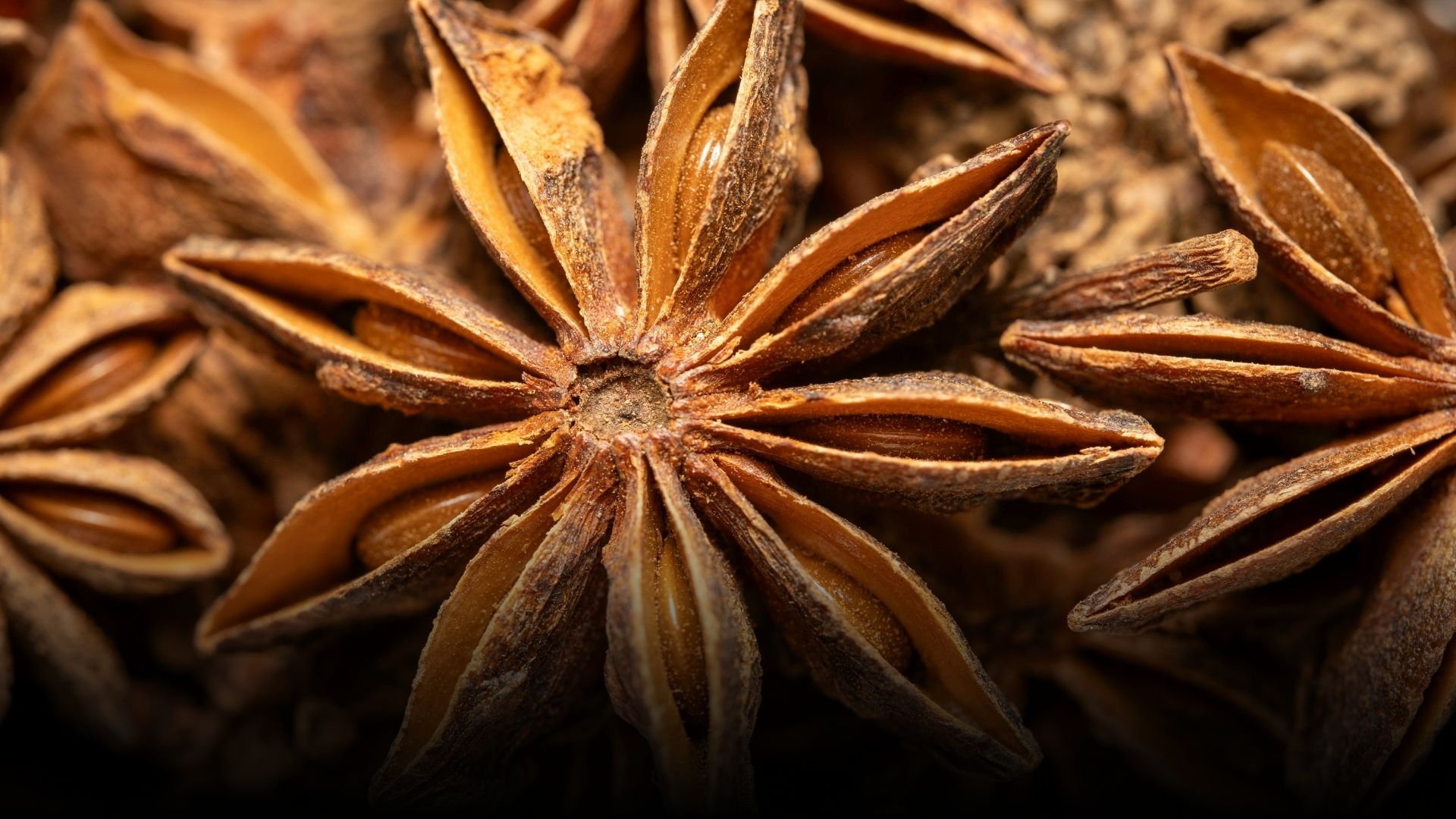
When I first started cooking, I believed spices were simple. Add them, mix them, and the dish magically tastes better. But the truth? Heat changes everything. The same spice can taste warm, bitter, smoky, or even sweet depending on how I treat it on the stove. That’s where real cooking begins — understanding how heat affects spices.
In culinary language, especially in cuisine française, we often talk about techniques like torréfier (to toast), infuser (to infuse), and saisir (to sear). These are not just fancy words. They describe how heat unlocks flavors hidden deep inside spices.
Spices are not just powders. They carry essential oils, volatile compounds, and natural sugars. According to food science studies, over 80% of a spice’s aroma comes from these volatile oils, which react differently under heat. Too little heat, and the spice stays dull. Too much heat, and it burns, turning bitter.
So in this article, I will walk you through how heat shapes the taste of different spices. You will see why timing matters, why technique matters, and how you can control flavor like a professional chef.
Understanding Heat and Spice Chemistry
Let me take you a little deeper. Every spice contains chemical compounds that define its flavor. For example, cumin contains cuminaldehyde, while cloves have eugenol. These compounds react to heat in fascinating ways.
When I apply heat, three things happen. First, essential oils are released. This is why spices smell stronger when heated. Second, chemical transformations occur. Some compounds break down and form new flavors. Third, moisture evaporates, concentrating taste.
There are two main types of heat effects: dry heat and moist heat. Dry heat, like roasting or frying, intensifies and deepens flavors. Moist heat, like simmering in curries, softens and blends them.
Scientists say that most spice compounds begin to degrade above 180°C. That means if I overheat spices, I lose their aroma and create bitterness. This is why controlled heat is crucial.
In French cooking, this transformation is often described as développement des arômes — the development of aromas. It’s not random. It’s science. And once I understand it, I can control the outcome of every dish I cook.
Dry Roasting (Torréfaction): Awakening Hidden Flavors
One of my favorite techniques is dry roasting, or torréfaction. I place whole spices like cumin seeds or coriander seeds in a hot pan without oil. Within seconds, they start to crackle. The aroma rises. That’s the magic moment.
Dry roasting works because heat releases essential oils trapped inside the spice structure. It also triggers mild Maillard reactions, which create nutty and slightly sweet notes.
For example, raw cumin tastes earthy but somewhat flat. After roasting, it becomes warm, smoky, and slightly sweet. The difference is dramatic.
Studies show that roasting can increase aroma intensity by up to 40%. But timing is everything. If I roast too long, the spices burn. Burnt spices taste harsh and unpleasant.
In Indian kitchens, this process is common before grinding spices into powders. It adds depth that raw spices simply cannot provide.
So whenever I want bold flavor, I roast first. It’s a simple step, but it changes everything.
Frying Spices in Oil (Tadka / Tempering)
Now let’s talk about one of the most powerful techniques — frying spices in oil. In Indian cooking, we call it tadka. In French terms, it’s close to infusion dans l’huile chaude.
When I heat spices in oil, the fat acts as a carrier. It absorbs and spreads the flavor evenly through the dish. Since many spice compounds are fat-soluble, this method unlocks maximum aroma.
Take mustard seeds, for example. When they hit hot oil, they pop. This releases their sharp, nutty flavor. Garlic and dried chilies behave similarly, creating a rich base.
The temperature of the oil matters. Around 150–170°C is ideal. Too low, and flavors don’t release. Too high, and spices burn within seconds.
Research shows that oil-based extraction can release up to 70% more flavor compounds compared to water-based cooking.
This is why many recipes start with oil and spices. It builds the foundation of taste. Skip this step, and your dish may feel incomplete.
Simmering Spices in Liquids (Infusion)
Sometimes, I don’t want strong, sharp flavors. I want something subtle. That’s where simmering comes in — or infuser in French.
When spices cook slowly in water, broth, or milk, they release their flavors gradually. This creates a balanced and rounded taste.
For example, cinnamon sticks in a simmering curry release sweetness over time. Cloves add warmth without overpowering the dish.
Unlike frying, this method does not create intense aroma immediately. Instead, it builds complexity over time.
Temperature here is lower, usually around 90–100°C. At this level, delicate compounds remain stable and do not burn.
This technique is widely used in soups, sauces, and slow-cooked dishes. It allows flavors to blend rather than dominate.
I often think of it as storytelling. Each spice adds a layer. Together, they create harmony.
Burning Spices: The Bitter Truth
Let me be honest. Every cook has burned spices at some point. I have too. And the result is always disappointing.
When spices burn, their chemical compounds break down completely. Instead of releasing aroma, they produce bitter and acrid notes.
For example, burnt garlic becomes sharp and unpleasant. Burnt cumin tastes harsh and almost metallic.
This happens because high heat destroys essential oils and creates carbonized compounds. These compounds overpower everything else in the dish.
The tricky part? Burning happens fast. Sometimes in less than 10 seconds.
That’s why I always control heat carefully. Medium heat is often safer than high heat. And I never leave spices unattended in hot oil.
In professional kitchens, chefs say, “Respect the spice.” It sounds simple, but it’s true. A few seconds can make or break your dish.
Whole vs Ground Spices Under Heat
Another detail I learned over time — whole and ground spices behave very differently under heat.
Whole spices are more stable. They release flavor slowly and can handle higher temperatures. That’s why I often use them at the beginning of cooking.
Ground spices, on the other hand, are delicate. Their surface area is larger, so they release flavor quickly. But they also burn quickly.
For example, whole cumin seeds can fry for 30 seconds without burning. Ground cumin may burn in just 10 seconds.
This is why I usually add ground spices later in the cooking process, often with some liquid to protect them from direct heat.
Studies show that ground spices lose up to 50% of their aroma within minutes if overheated.
So timing matters. Knowing when to add each type of spice is key to mastering flavor.
Spice-Specific Heat Reactions
Not all spices react the same way. Each one has its own personality.
Turmeric, for instance, becomes more aromatic when lightly heated in oil. But too much heat dulls its color and flavor.
Black pepper releases sharp heat when crushed and gently heated. Overheating reduces its pungency.
Cardamom develops sweet, floral notes when warmed. Cloves become intense and slightly bitter if overcooked.
Chili powder is especially sensitive. High heat can make it smoky or burnt very quickly.
Understanding these differences allows me to control the final taste of my dish.
Cooking is not just about following a recipe. It’s about understanding ingredients. And spices are among the most sensitive ingredients in the kitchen.
Cultural Techniques and Traditional Wisdom
Across the world, different cuisines have mastered spice heating techniques.
In Indian cooking, tadka is essential. In Middle Eastern cuisine, spices are often toasted before grinding. In French cooking, herbs and spices are gently infused in sauces.
These traditions are not random. They are built on centuries of experience.
For example, in Indian households, spices are often roasted before making garam masala. This enhances depth and complexity.
In Moroccan cuisine, slow cooking allows spices to blend beautifully in tagines.
Each culture has found its own way to control heat and flavor. And there’s a lot we can learn from them.
Conclusion
Heat is not just a cooking tool. It is a flavor transformer. It can unlock hidden aromas, deepen taste, or completely ruin a spice if misused.
From dry roasting to oil tempering, from gentle simmering to careful timing, every technique shapes the final dish.
I’ve learned that mastering spices is not about adding more. It’s about understanding how they behave under heat.
Once you control heat, you control flavor. And once you control flavor, your cooking reaches a whole new level.
So next time you step into the kitchen, pay attention to the heat. Listen to the spices. Smell them. Watch them. They will tell you exactly what they need.
FAQs
1. How does heat change the flavor of spices?
Heat releases essential oils and creates new compounds, enhancing aroma and taste. Too much heat can destroy these compounds and cause bitterness.
2. Should spices be roasted before cooking?
Yes, dry roasting enhances flavor by releasing oils and creating deeper, nuttier notes. It is especially useful for whole spices.
3. Why do spices burn so quickly?
Spices contain delicate compounds that break down at high temperatures. Ground spices burn faster due to their larger surface area.
4. What is the best temperature for cooking spices?
Medium heat (around 150–170°C) is ideal for frying spices in oil. Lower heat works better for simmering and infusion.
5. Why do chefs fry spices in oil first?
Oil helps extract and spread flavor evenly because many spice compounds are fat-soluble, making dishes more aromatic and rich.
