
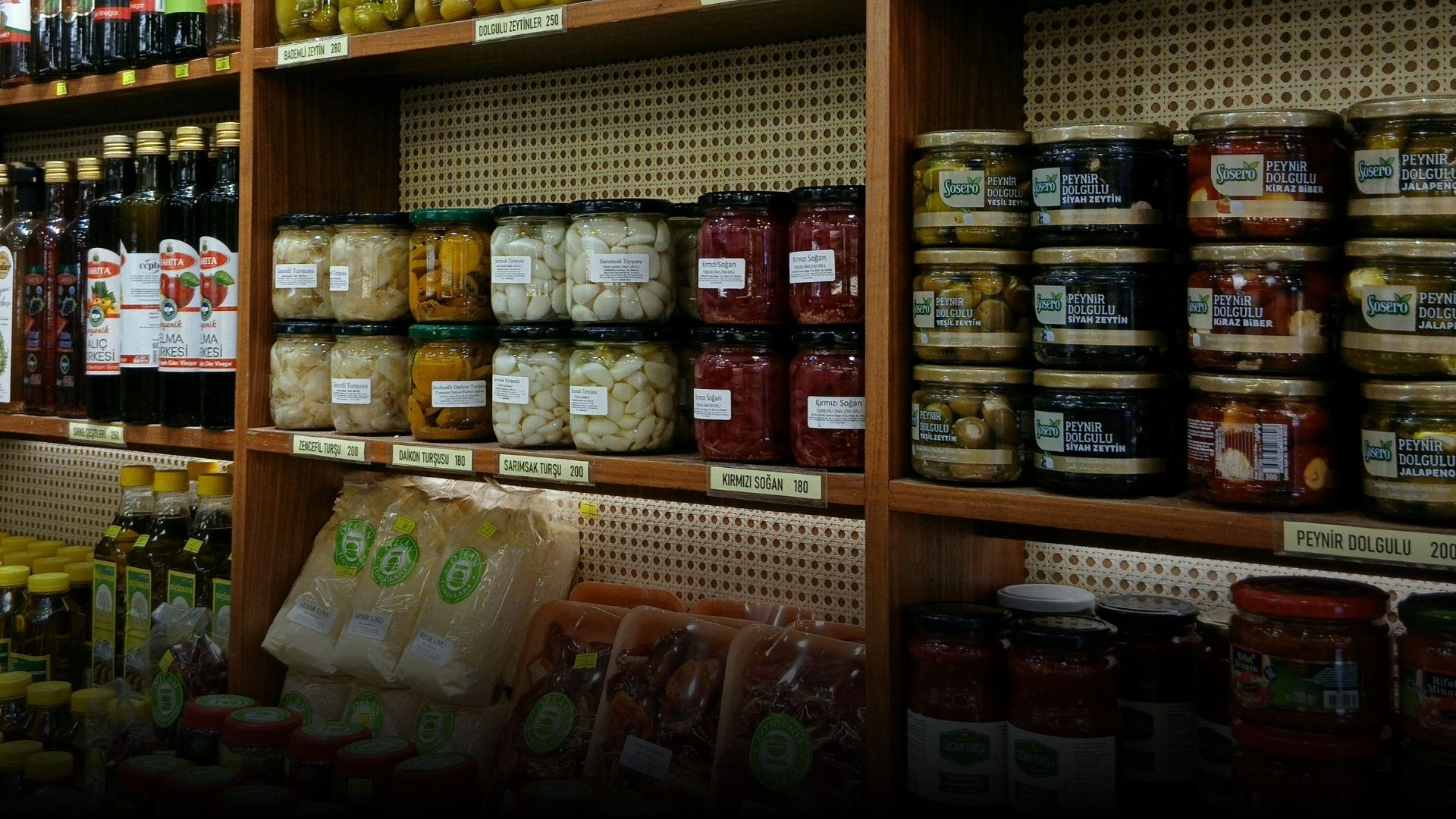
When I first stepped into a professional kitchen, I quickly realised that cooking is only half the story. The real backbone of any efficient kitchen lies in how we store our raw materials. If storage goes wrong, everything else follows. Food spoils. Flavours change. Costs rise. And worst of all, safety gets compromised.
In culinary practice, we often refer to raw materials as matières premières. These include everything from fresh vegetables and meats to dry goods, spices, and dairy products. Each one has its own nature, its own needs, and its own ideal storage condition. Ignoring that is like ignoring the foundation of a building.
Globally, studies show that nearly 30–40% of food is wasted due to improper storage and handling. That’s not just loss—it’s poor management. In kitchens, whether small or industrial, we must treat storage as a science, not a routine.
In this article, I will walk you through different places where raw materials are stored in a kitchen. Not just names, but how each space works, why it matters, and how to use it effectively. Think of this as your behind-the-scenes tour of a well-organised kitchen.
2. Dry Storage Area (Garde-Manger Sec)
The dry storage area, known in French as garde-manger sec, is one of the most fundamental spaces in any kitchen. This is where I keep non-perishable items—flour, rice, pulses, spices, sugar, canned goods, and packaged ingredients.
Temperature plays a crucial role here. Ideally, I maintain it between 10°C to 21°C. Humidity must stay low because moisture invites pests and mould. I always use airtight containers. Not just for cleanliness, but to preserve aroma and prevent contamination.
Shelving is another detail people often overlook. I never place items directly on the floor. Everything sits at least 15 cm above ground level, which helps with cleaning and pest control. FIFO—First In, First Out—is a rule I strictly follow here. It ensures older stock gets used first.
Historically, the concept of dry storage dates back to ancient civilizations where grains were stored in silos. The idea hasn’t changed. Only the methods have improved.
A well-managed dry storage space reduces waste by up to 25%, according to food safety reports. That’s a huge saving, especially in commercial kitchens.
3. Refrigerated Storage (Chambre Froide Positive)
Now let’s move to refrigerated storage, or chambre froide positive. This is where I store perishable items like vegetables, fruits, dairy products, and cooked food.
The temperature here stays between 0°C and 5°C. At this range, bacterial growth slows down significantly. But it doesn’t stop completely. That’s why I never rely only on refrigeration—I combine it with proper handling.
I always separate raw and cooked items. Cross-contamination is a serious risk. For example, raw chicken should never sit above ready-to-eat food. Gravity matters here. Liquids drip.
Another important aspect is airflow. Overloading the fridge blocks circulation, which creates uneven cooling. I keep space between items so cold air can move freely.
Modern refrigeration technology has evolved from simple ice storage to advanced systems with humidity control. Today, commercial kitchens use digital monitoring to maintain precision.
Statistics show that improper refrigeration contributes to over 50% of foodborne illnesses. That’s why I treat this space with discipline. No shortcuts.
4. Freezer Storage (Chambre Froide Négative)
The freezer, or chambre froide négative, is where I extend the life of raw materials. Meat, seafood, frozen vegetables, and prepared items all go here.
The standard temperature is -18°C or lower. At this point, microbial activity nearly stops. But freezing doesn’t kill all bacteria—it only pauses them. That’s something many people misunderstand.
Packaging is critical. I always use vacuum sealing when possible. It prevents freezer burn, which damages texture and taste. Labeling is also non-negotiable. Dates, contents, and batch details must be clear.
One mistake I often see is repeated thawing and refreezing. That destroys quality and increases health risks. I avoid it completely.
Freezing as a method dates back to natural ice preservation used in colder regions centuries ago. Today, it’s a controlled science.
According to research, proper freezing can reduce food spoilage losses by up to 60%. That’s efficiency at its best.
5. Vegetable and Fruit Storage (Zone de Légumes)
Fresh produce needs special care. I dedicate a separate space, often called zone de légumes, to store fruits and vegetables.
Not all produce likes the same conditions. Leafy greens need high humidity. Potatoes and onions prefer dry, dark environments. Tomatoes should not go in the fridge—they lose flavour.
Ethylene gas is another factor. Fruits like bananas and apples release it, which speeds up ripening. I store them away from sensitive vegetables to avoid premature spoilage.
Ventilation is key. I use perforated crates or breathable containers. Plastic bags trap moisture and cause decay.
Historically, root cellars were used for this purpose. They maintained cool, stable conditions naturally.
Studies indicate that proper produce storage can extend shelf life by 3–7 days, depending on the item. That’s significant in a busy kitchen.
6. Meat and Seafood Storage (Boucherie Section)
This is one of the most sensitive storage areas. In French kitchens, it’s often referred to as boucherie. Here, hygiene is everything.
Raw meat must be stored at 0°C to 2°C. Seafood requires even stricter conditions. I often place fish on crushed ice to maintain freshness.
Separation is mandatory. Different types of meat should not mix. Each has its own bacterial profile. I also ensure proper drainage to prevent liquid accumulation.
Odour control is another challenge. I use covered containers and dedicated shelves to avoid contamination of other foods.
Historically, meat preservation involved salting and curing. Today, refrigeration has replaced many of those methods, but the need for control remains.
Food safety data shows that mishandling meat storage is a leading cause of kitchen contamination. That’s why I never compromise here.
7. Dairy Storage (Zone Laitière)
Dairy products—milk, cheese, butter—require stable, cold conditions. This area, known as zone laitière, operates within 1°C to 4°C.
Dairy is highly sensitive to temperature fluctuations. Even a slight increase can lead to spoilage. I always keep these items in the coldest part of the fridge.
Cheese deserves special mention. Soft cheeses need airtight storage, while hard cheeses require breathable wrapping. Each type behaves differently.
Light exposure also affects dairy. That’s why I avoid transparent containers when possible.
Historically, dairy storage relied on cool caves and natural environments. Modern refrigeration has made it safer but also demands precision.
Improper dairy storage can reduce shelf life by up to 50%. That’s a loss I prefer to avoid.
8. Spice and Herb Storage (Épicerie Fine Section)
Spices and herbs may seem simple, but they are delicate. I store them in a dedicated area called épicerie fine.
Heat, light, and air are their biggest enemies. I keep them in dark, airtight containers away from cooking stations.
Whole spices last longer than ground ones. I prefer grinding in small batches to maintain flavour intensity.
Humidity can cause clumping and mould. That’s why I never store spices near sinks or steam sources.
Historically, spices were once more valuable than gold. Proper storage was essential even then.
Research shows that poorly stored spices lose up to 70% of their potency within months. That’s a major flavour loss.
9. Conclusion
Storing raw materials in a kitchen is not just about finding space. It’s about understanding the nature of each ingredient and respecting its needs. From garde-manger sec to chambre froide, every storage area has a purpose.
When I organise a kitchen, I think of it as a living system. Each section supports the other. When storage works well, cooking becomes smoother, faster, and safer.
Good storage reduces waste. It protects quality. It saves money. And most importantly, it ensures food safety.
If you truly want to improve your kitchen, start with storage. Everything else will follow.
10. FAQs
1. What is the best temperature for storing raw food in a kitchen?
The ideal range depends on the type of food. Refrigerated items should stay between 0°C–5°C, while frozen foods require -18°C or lower.
2. Why is FIFO important in food storage?
FIFO ensures older stock is used first, reducing waste and preventing spoilage.
3. How can I prevent cross-contamination in storage?
Always separate raw and cooked foods, use sealed containers, and store meats on lower shelves.
4. What are the common mistakes in kitchen storage?
Overcrowding, incorrect temperatures, poor labeling, and mixing incompatible items are the most common errors.
5. How long can raw materials be safely stored?
It varies. Fresh meat lasts 1–3 days in refrigeration, while frozen items can last months if properly stored.