
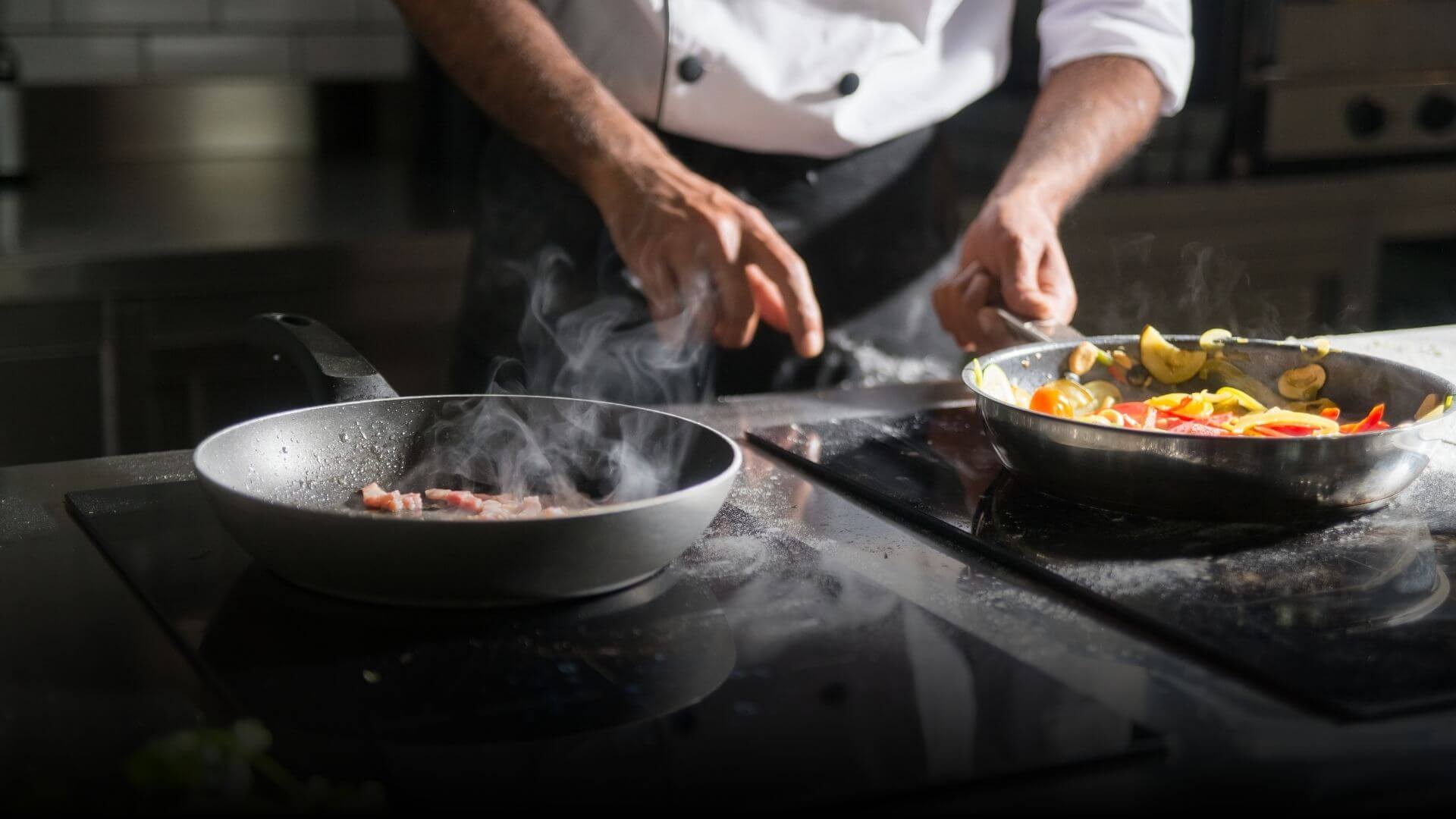
When I first stepped into a professional kitchen, I thought cooking was all about flavors, fire, and finesse. I was wrong. The real backbone of any kitchen—whether it’s a small café or a large hotel—is how well we manage raw materials. From the moment ingredients are purchased to how they are received and stored, every step defines the final dish.
If we ignore these processes, we risk waste, contamination, and poor quality. But when we handle them with care, we create consistency, safety, and efficiency. In French culinary practice, this foundation is often tied to mise en place, which means “everything in its place.” It’s not just about prep. It’s a mindset.
In this guide, I will walk you through how I manage purchasing (approvisionnement), receiving (réception des marchandises), and storing (stockage) of different raw materials in the kitchen. I’ll keep it real, practical, and detailed—just like how it happens behind the scenes.
Understanding the Importance of Raw Material Management
Before anything else, let’s get one thing clear: raw material handling is not a secondary task. It is the system that supports everything else.
In professional kitchens, nearly 30% of food cost losses come from poor storage and mishandling. That’s a huge number. When I realized this, I stopped treating inventory as a boring task and started seeing it as a profit-saving tool.
Raw materials include everything—vegetables, meats, dairy, dry goods, spices. Each category behaves differently. Some spoil quickly. Some absorb moisture. Some attract pests.
The French term denrées alimentaires refers to food commodities, and managing them properly ensures food safety (sécurité alimentaire) and quality.
When we fail at this stage, even the best chef cannot fix the damage later. Good systems mean fewer complaints, better taste, and controlled costs. It’s that simple.
Smart Purchasing Strategies (Approvisionnement)
Purchasing is where the journey begins. I never buy ingredients randomly. I follow a plan.
First, I analyze demand. What dishes sell more? What ingredients move fast? This helps me avoid overstocking. Studies show that over-purchasing leads to nearly 20% waste in commercial kitchens.
Second, I choose reliable suppliers. Consistency matters more than cheap prices. A trusted vendor ensures quality, timely delivery, and proper handling. In French kitchens, this relationship is often long-term and built on trust.
Third, I follow the principle of juste à temps (just-in-time purchasing). This means buying only what is needed for a short period. It keeps ingredients fresh and reduces storage pressure.
I also check seasonal availability. Seasonal produce is fresher, cheaper, and better in taste.
And yes, I always negotiate. Not aggressively, but wisely. Because every rupee saved here improves the overall food cost.
Receiving Raw Materials Properly (Réception des Marchandises)
Receiving is not just about accepting deliveries. It is a checkpoint. A filter.
Whenever supplies arrive, I inspect everything. Temperature, smell, texture, packaging—nothing gets ignored. For example, chilled items must arrive below 5°C. Frozen goods should be solid, not partially thawed.
If I notice damaged packaging or unusual odor, I reject the product immediately. No hesitation. Accepting poor-quality goods is like inviting trouble into the kitchen.
I also cross-check invoices with actual delivery. Quantity errors are common. And if we don’t check, we pay for things we never received.
In professional kitchens, this process is called contrôle de qualité. It ensures that only the best ingredients enter the kitchen.
I make sure all received items are labeled with date and time. This helps later during storage and usage.
Receiving is not glamorous. But it is powerful.
Categorizing Raw Materials for Storage
Not all ingredients are the same. So, I never store them the same way.
I divide raw materials into categories: perishable, semi-perishable, and non-perishable.
Perishables like meat, fish, and dairy require refrigeration. Semi-perishables like onions and potatoes need cool, dry spaces. Non-perishables like rice and flour can stay at room temperature but must be protected from moisture and pests.
This classification helps avoid cross-contamination. For instance, I never store raw meat near vegetables. It’s a basic rule, yet often ignored.
In French systems, this organization reflects organisation de la cuisine, where structure improves efficiency.
By grouping ingredients properly, I reduce spoilage, improve workflow, and maintain hygiene. It also makes it easier for staff to find items quickly during busy hours.
Proper Storage Techniques (Stockage)
Storage is where discipline shows.
For refrigerated items, I maintain temperatures between 1°C and 5°C. Freezers stay at -18°C. I check these regularly. A small fluctuation can spoil large quantities of food.
I follow the FIFO method—First In, First Out. Older stock gets used before new stock. This simple rule reduces waste significantly.
I also label everything clearly. Date, name, and sometimes even supplier details. It removes confusion and improves accountability.
Dry storage needs ventilation. Moisture leads to mold. So I keep items elevated, away from walls and floors.
French kitchens often use the term chambre froide (cold room) for refrigerated storage. Maintaining it properly is critical for food safety.
Storage is not just about space. It’s about control.
Handling Different Types of Raw Materials
Each ingredient demands its own care. Let me break it down.
Vegetables need breathable storage. Leafy greens stay fresh when wrapped lightly and refrigerated. Root vegetables prefer darkness and dryness.
Meat and poultry must always stay sealed and chilled. I never wash raw meat before storage—it spreads bacteria.
Seafood is highly sensitive. It should be stored on ice and used quickly.
Dairy products must remain sealed and cold. Even slight exposure can cause spoilage.
Dry goods like grains and spices need airtight containers. This prevents moisture and pest entry.
In French culinary practice, handling ingredients with respect is part of savoir-faire—the art of doing things properly.
When we treat ingredients well, they reward us with better flavor and longer shelf life.
Hygiene and Food Safety Practices
Cleanliness is non-negotiable.
I ensure all storage areas are cleaned daily. Spills are removed immediately. Pest control is monitored regularly.
Staff must follow hygiene rules—clean uniforms, gloves when needed, and proper handwashing.
Cross-contamination is a serious issue. According to food safety studies, nearly 40% of foodborne illnesses occur due to improper handling.
I use color-coded containers and cutting boards. It keeps raw and cooked items separate.
The French concept of hygiène alimentaire emphasizes strict discipline in food safety.
When hygiene becomes a habit, the kitchen runs smoother and safer.
Inventory Management and Stock Control
Inventory is where numbers meet reality.
I keep track of stock levels daily. Not weekly. Not monthly. Daily.
This helps me understand usage patterns. I know which items run out fast and which stay longer.
I also conduct regular stock audits. Physical counting ensures accuracy.
Modern kitchens use software, but even a simple manual log works if maintained properly.
Inventory control reduces theft, waste, and over-purchasing. It also helps in menu planning.
In French kitchens, this is part of gestion des stocks. It ensures balance between demand and supply.
Good inventory management saves money. A lot of it.
Training Kitchen Staff for Efficiency
Even the best system fails without trained staff.
I make sure my team understands every step—purchasing, receiving, storing. Not just chefs. Everyone.
Training includes proper handling, labeling, hygiene, and stock rotation.
I also encourage accountability. Each person is responsible for their section.
When staff understands the “why” behind processes, they follow them better.
In professional kitchens, teamwork is everything. Or as the French say, esprit de brigade.
A well-trained team reduces errors, improves speed, and maintains consistency.
Conclusion
Handling purchasing, receiving, and storing raw materials is not just a routine task—it is the foundation of a successful kitchen.
From choosing the right suppliers to maintaining proper storage conditions, every step matters. I have seen kitchens fail not because of poor cooking, but because of poor management of ingredients.
When we follow structured methods like approvisionnement, réception, and stockage, we create a system that supports quality, safety, and efficiency.
It takes discipline. It takes attention. But once it becomes a habit, everything else becomes easier.
And trust me—when your ingredients are handled right, your food speaks for itself.
FAQs
1. What is the best method for storing raw materials in a kitchen?
The FIFO (First In, First Out) method is the most effective. It ensures older stock is used first, reducing waste and maintaining freshness.
2. Why is proper receiving of goods important in kitchens?
Receiving ensures quality control. It helps detect damaged, spoiled, or incorrect items before they enter the kitchen.
3. How can I reduce food waste in my kitchen?
Plan purchases carefully, store items correctly, and monitor inventory regularly. Studies show proper management can reduce waste by up to 25%.
4. What temperature should raw food be stored at?
Refrigerated items should be kept between 1°C and 5°C, while frozen items must stay at -18°C or below.
5. What are common mistakes in kitchen storage?
Mixing raw and cooked foods, ignoring labeling, poor temperature control, and overstocking are the most common errors.
