
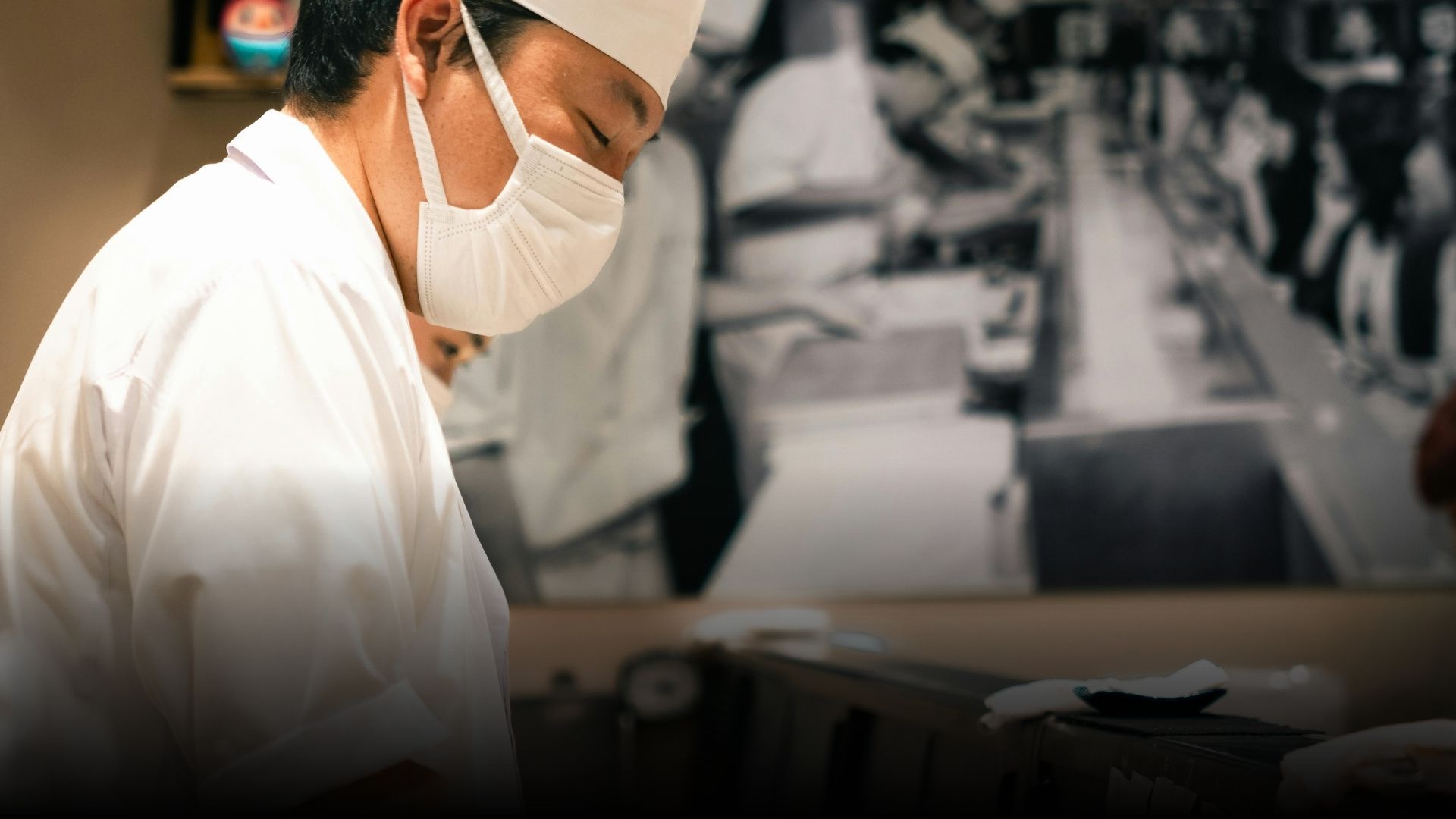
When I first stepped into a professional kitchen, I thought cooking was the main job. Simple, right? Prepare food, plate it nicely, and send it out. But very quickly, I realized something important. A kitchen does not work alone. It is deeply connected with every other department in a hotel.
The kitchen, or what we often call the cuisine, is the heart of the hotel. But even the strongest heart cannot function without the body. The kitchen depends on coordination, communication, and timing with different departments like front office, housekeeping, food and beverage service, and purchasing.
In fact, according to industry reports, nearly 65% of operational delays in hotels happen due to poor interdepartmental communication. That means even if the chef is perfect, the system can fail.
So in this article, I will walk you through how the kitchen department builds relationships with other hotel departments. I will explain each connection in depth, using practical examples, French culinary terms, and real operational insights.
Let’s get into it.
Relationship Between Kitchen and Front Office
The front office is the first point of contact for guests. It handles reservations, check-ins, and guest preferences. Now here’s where things get interesting—the kitchen depends heavily on this information.
When a guest books a room with meals included, known as plan de repas, the front office communicates this detail to the kitchen. If this step is missed, it leads to confusion, delays, and sometimes even complaints.
I always make sure to check the guest forecast report. It tells me how many guests are expected, their nationality, and even dietary needs. For example, if a group of 30 arrives from a region with vegetarian preferences, the kitchen must adjust its menu du jour accordingly.
Another key area is VIP guests. The front office informs the kitchen about special arrivals. This allows us to prepare welcome amenities like fruit baskets or desserts, also called amuse-bouche.
Without proper coordination, service breaks down. With it, the guest experience becomes smooth and memorable.
Relationship Between Kitchen and Food & Beverage Service
This is the most direct and constant relationship. The kitchen prepares food, and the service en salle (service staff) delivers it. Sounds simple, but it is actually a complex system.
Communication here must be precise. Orders are passed through KOT (Kitchen Order Tickets), and timing is everything. A delay of even two minutes can affect guest satisfaction.
I always coordinate closely with the service team during peak hours. For example, during a buffet, the service staff informs the kitchen about fast-moving dishes. This helps us refill items quickly and avoid empty counters.
According to hospitality data, restaurants lose up to 20% efficiency when kitchen and service teams are not aligned.
Another important factor is menu knowledge. Service staff must understand the dishes—ingredients, preparation methods, and allergens. This is where I step in and brief them.
This relationship is like a dance. If both sides move in sync, the experience feels effortless to the guest.
Relationship Between Kitchen and Housekeeping
At first glance, housekeeping and kitchen may seem unrelated. But they are more connected than most people think.
Housekeeping manages cleanliness and hygiene across the hotel. In the kitchen, hygiene is critical. We follow strict standards like mise en place cleanliness and sanitation protocols.
Housekeeping supplies items such as cleaning chemicals, linen, and uniforms. If there is a delay in supply, kitchen operations suffer. Imagine running out of clean aprons during a busy shift. It creates chaos.
Also, room service connects both departments. When a guest orders food in their room, housekeeping ensures the room is clean and ready, while the kitchen prepares the meal.
Interestingly, studies show that guest satisfaction increases by 30% when both food quality and room cleanliness meet high standards together.
So yes, this relationship may not be visible, but it plays a strong supporting role.
Relationship Between Kitchen and Purchasing Department
No ingredients, no cooking. That’s the reality. The purchasing department ensures that the kitchen receives fresh and quality raw materials.
We often use the term matière première (raw materials) in the kitchen. These include vegetables, meat, spices, and dairy. The purchasing team sources them based on kitchen requirements.
I always coordinate closely with purchasing to maintain quality standards. If I need premium-grade meat for a special dish, I must communicate that clearly.
Cost control is another important factor. The kitchen and purchasing work together to maintain food cost percentages. Ideally, hotels aim for food cost between 25% to 35% of total revenue.
If purchasing buys low-quality items to save money, it affects taste. If the kitchen demands expensive items without control, it affects profit. Balance is key.
Relationship Between Kitchen and Stores
The store department acts as a bridge between purchasing and the kitchen. It manages inventory, storage, and issuing of goods.
We follow systems like FIFO (First In First Out) to ensure freshness. In French culinary practice, maintaining ingredient integrity is crucial for dishes like sauce mère (mother sauces).
I rely on the store team to maintain proper stock levels. If they fail to track inventory, the kitchen may run out of essential items during service.
Temperature control is also important. Perishable items must be stored correctly. According to food safety standards, cold storage should be maintained below 5°C to prevent bacterial growth.
The relationship is built on trust and accuracy. If the store team does its job well, the kitchen runs smoothly.
Relationship Between Kitchen and Human Resource Department
People make the kitchen work. And managing people is the job of HR.
The HR department handles recruitment, training, and employee welfare. In the kitchen, we need skilled chefs, commis, and helpers. HR ensures we get the right talent.
Training is another key area. HR organizes programs on hygiene, safety, and skill development. This improves efficiency and reduces mistakes.
Staff motivation also matters. A happy kitchen team performs better. Studies show that motivated employees increase productivity by up to 40%.
I always coordinate with HR to address staffing needs and resolve issues quickly.
Relationship Between Kitchen and Engineering Department
This is a technical but very important relationship. The engineering department maintains equipment and utilities.
In the kitchen, we use ovens, refrigerators, burners, and dishwashers. If any of these fail, operations stop immediately.
I make sure to report issues quickly. Preventive maintenance is also important. Regular checks help avoid sudden breakdowns.
For example, if refrigeration fails, food safety is at risk. This can lead to huge losses.
The engineering team ensures everything runs smoothly behind the scenes.
Conclusion
The kitchen is not just a place where food is prepared. It is part of a larger system. Every department plays a role in delivering a complete guest experience.
From front office to engineering, each connection matters. Communication, coordination, and clarity are the foundation of these relationships.
When all departments work together, the result is seamless service, satisfied guests, and a successful hotel.
I have seen it firsthand. A well-connected kitchen does not just cook food—it creates experiences.
FAQs
1. What is the role of kitchen in hotel management?
The kitchen prepares food, maintains quality standards, and coordinates with other departments to ensure smooth service.
2. Why is coordination between kitchen and service important?
It ensures timely delivery of food, reduces errors, and improves guest satisfaction.
3. How does the kitchen control food cost?
By working with purchasing, managing inventory, and reducing waste through proper planning.
4. What is mise en place in kitchen operations?
Mise en place is a French term meaning “everything in its place,” referring to preparation before cooking.
5. How does the front office help the kitchen?
It provides guest information, meal plans, and special requests that help the kitchen plan production.