
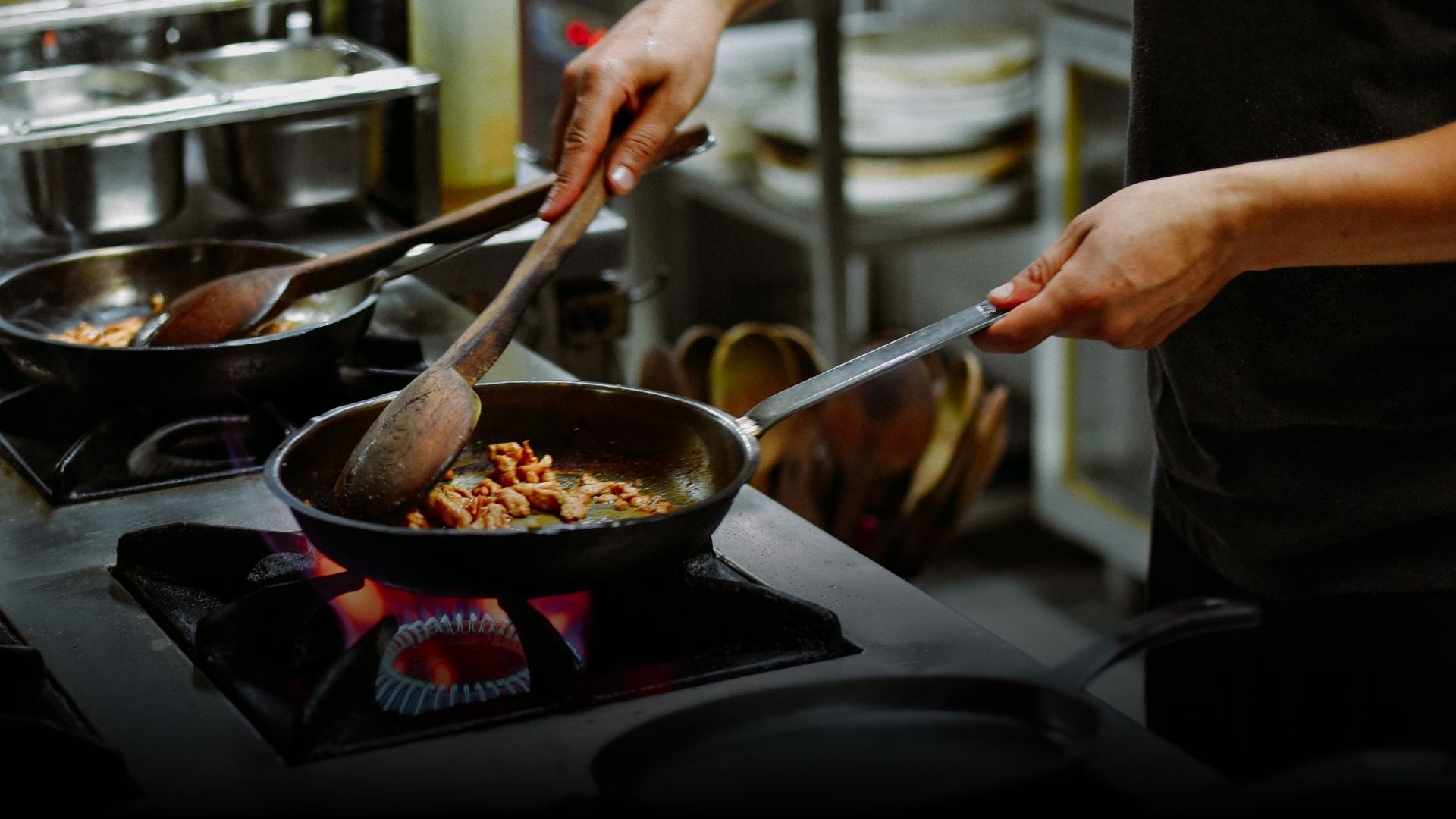
I still remember the first time I held a pan in my hand inside a busy kitchen. It looked simple. Just metal with a handle. But the moment I started cooking, I realized something important. Not all pans behave the same. Some heat quickly. Some hold heat longer. Some forgive mistakes. Others don’t.
A pan is not just cookware. It is the foundation of cooking. Every dish, whether it is a quick omelette or a slow-cooked sauce, begins with the right pan. If you choose the wrong one, even the best ingredients can disappoint you. But when you choose wisely, cooking feels effortless.
In professional kitchens, chefs use different types of pans for different purposes. This practice is not random. It is based on science, tradition, and years of experience. Even in home kitchens, understanding pans can improve your cooking instantly.
Today, I will walk you through everything. What a pan actually means. Where it came from. And the different types you must know. I will keep things simple, practical, and real. No complicated words. Just useful knowledge you can use every day.
Let’s begin.
What is a Pan? Definition and Origin
When I talk about a pan, I mean a flat-bottomed cooking vessel used for frying, sautéing, searing, or even making sauces. It usually comes with shallow sides and a long handle. In French culinary language, it is often referred to as poêle or sautoir, depending on the design and function.
The word “pan” comes from the Old English word panna, which meant a shallow container used for cooking. Interestingly, archaeological evidence shows that early humans used clay pans as far back as 3000 BCE. Later, metals like bronze and iron replaced clay, improving durability and heat control.
A modern pan is designed to distribute heat evenly. That is its most important job. Uneven heat creates uneven cooking. This is why materials like stainless steel, cast iron, and aluminum are widely used today.
Here’s a fact you might find interesting: around 70% of home cooking globally involves some form of pan cooking. That shows how essential it is.
In simple terms, a pan is your everyday cooking partner. You rely on it more than any other tool in the kitchen.
Understanding the Anatomy of a Pan
Before I explain the types, let me help you understand how a pan is built. Because once you know this, choosing the right pan becomes easier.
Every pan has a base, sides, and a handle. The base controls heat distribution. A thicker base means better heat retention. That is why professional chefs prefer heavy-bottom pans.
The sides matter too. Low sides allow quick evaporation. High sides help retain moisture. That is why a sauté pan differs from a frying pan.
The handle, often called poignée in French, should stay cool and provide grip. In commercial kitchens, safety is everything. A weak handle can lead to serious accidents.
Many pans also come with coatings. Non-stick coatings like PTFE are common. But traditional chefs still prefer uncoated surfaces for better browning.
Understanding these small details can change the way you cook. It’s not just about using a pan. It’s about using it correctly.
Frying Pan (Poêle à Frire)
When I think of the most common pan, the frying pan comes first. Also known as a skillet, this is the one most people use daily.
A frying pan has a flat base and slightly sloped sides. This design allows easy flipping of food. Whether it’s eggs, pancakes, or vegetables, this pan handles it well.
Most frying pans range from 20 cm to 30 cm in diameter. The size you choose depends on your cooking needs. Smaller pans are perfect for single servings. Larger ones suit families.
Here’s something important: frying pans are best for dry-heat cooking methods. That includes sautéing, searing, and shallow frying. The open design helps moisture escape quickly, which is essential for crisp textures.
In professional kitchens, chefs often prefer stainless steel frying pans for better caramelization. However, non-stick versions dominate home kitchens due to convenience.
A good frying pan can last 5–10 years if maintained properly. That makes it one of the most valuable tools you can own.
Sauté Pan (Sautoir)
At first glance, a sauté pan may look similar to a frying pan. But once you use it, the difference becomes clear.
A sauté pan has straight, high sides instead of sloped ones. This design helps retain liquids. It makes the pan ideal for dishes that involve sauces or simmering.
The term sauté comes from the French word meaning “to jump.” It refers to the tossing motion used while cooking. And yes, this pan is perfect for that.
I personally prefer sauté pans when cooking curries, gravies, or dishes that need a balance of frying and simmering. The higher sides prevent splashes. That keeps your kitchen cleaner.
Most sauté pans come with lids. This adds versatility. You can cover the pan to trap heat and moisture when needed.
According to kitchen equipment studies, sauté pans are used in nearly 60% of professional kitchens for multi-purpose cooking. That tells you how versatile they are.
Saucepan (Casserole)
A saucepan is deeper and narrower than most pans. In French, it is called casserole, and it plays a vital role in both home and professional kitchens.
This pan is designed for liquids. Think of boiling water, making sauces, cooking rice, or preparing soups. Its tall sides reduce evaporation and help maintain consistent heat.
Most saucepans come with a lid. This is important for controlling temperature and reducing cooking time.
Here’s a useful tip: when you are making delicate sauces, use a heavy-bottom saucepan. It prevents burning and ensures smooth results.
Studies show that saucepans are used in over 80% of households worldwide. That makes them one of the most essential kitchen tools.
I always recommend having at least two sizes. A small one for quick tasks. And a larger one for family meals.
Grill Pan (Poêle à Griller)
If you love grilled food but don’t have an outdoor grill, a grill pan is your solution.
A grill pan features raised ridges on its surface. These ridges create grill marks and allow excess fat to drain away from the food.
The result? Healthier cooking. And a flavor closer to outdoor grilling.
Most grill pans are made from cast iron. Why? Because cast iron retains heat extremely well. It can reach high temperatures and maintain them consistently.
This pan is perfect for grilling vegetables, paneer, chicken, or even sandwiches. The ridges also help create that smoky texture many people enjoy.
One thing to remember: grill pans require proper seasoning and cleaning. Otherwise, food can stick.
In modern kitchens, grill pans are becoming more popular due to the growing demand for low-oil cooking methods.
Wok (Kadhai / Wok Pan)
The wok is one of the most versatile pans I have ever used. It originated in China over 2000 years ago and has become popular worldwide.
A wok has a deep, rounded shape with high sides. This design allows fast cooking at high heat. It is ideal for stir-frying, steaming, deep-frying, and even boiling.
In Indian kitchens, a similar pan called kadhai is widely used. Both serve similar purposes.
The key advantage of a wok is heat concentration. The center gets extremely hot, while the sides remain cooler. This allows controlled cooking.
Professional chefs love woks because they cook food quickly. In fact, stir-frying in a wok can reduce cooking time by up to 30%.
If you enjoy quick meals with bold flavors, a wok is a must-have.
Cast Iron Pan (Poêle en Fonte)
Cast iron pans are heavy. Very heavy. But they are also incredibly reliable.
These pans are made from molten iron and are known for excellent heat retention. Once heated, they stay hot for a long time.
This makes them perfect for searing meat, baking, and slow cooking.
Another benefit is durability. A well-maintained cast iron pan can last for generations. Some families even pass them down.
However, they require care. You need to season them regularly to maintain a natural non-stick surface.
Here’s a surprising fact: cast iron can add small amounts of iron to your food. This can actually help improve iron intake.
For me, a cast iron pan is not just cookware. It’s an investment.
Non-Stick Pan (Poêle Antiadhésive)
Non-stick pans have become extremely popular in modern kitchens. The reason is simple. Convenience.
These pans are coated with a non-stick surface, usually PTFE. This prevents food from sticking and reduces the need for oil.
They are perfect for beginners. You can cook eggs, pancakes, and delicate foods without worrying about sticking.
However, they have limitations. High heat can damage the coating. Metal utensils can scratch the surface.
On average, non-stick pans last around 3–5 years. After that, the coating starts to wear off.
Despite this, they remain one of the most widely used pans globally. In fact, nearly 75% of households own at least one non-stick pan.
I see them as a practical tool. Not permanent, but very useful.
Conclusion
When I look at a kitchen, I don’t just see ingredients. I see tools that make cooking possible. And among them, pans stand out the most.
Each type of pan serves a purpose. A frying pan for quick meals. A sauté pan for balanced cooking. A saucepan for liquids. A wok for speed. A cast iron pan for strength.
Choosing the right pan is not about following trends. It is about understanding your cooking style.
Start simple. Build your collection slowly. Learn how each pan behaves. Once you do that, your cooking will improve naturally.
A good pan does not just cook food. It builds confidence.
FAQs
1. What is the best type of pan for everyday cooking?
A frying pan or sauté pan works best for everyday use because of its versatility and ease of handling.
2. Which pan is healthiest for cooking?
Stainless steel and cast iron pans are considered healthier because they do not release harmful chemicals.
3. What is the difference between a frying pan and a sauté pan?
A frying pan has sloped sides, while a sauté pan has straight sides and holds more liquid.
4. How long do non-stick pans last?
Most non-stick pans last between 3 to 5 years depending on usage and maintenance.
5. Why do chefs prefer cast iron pans?
Chefs prefer cast iron for its excellent heat retention, durability, and ability to create perfect searing.
