
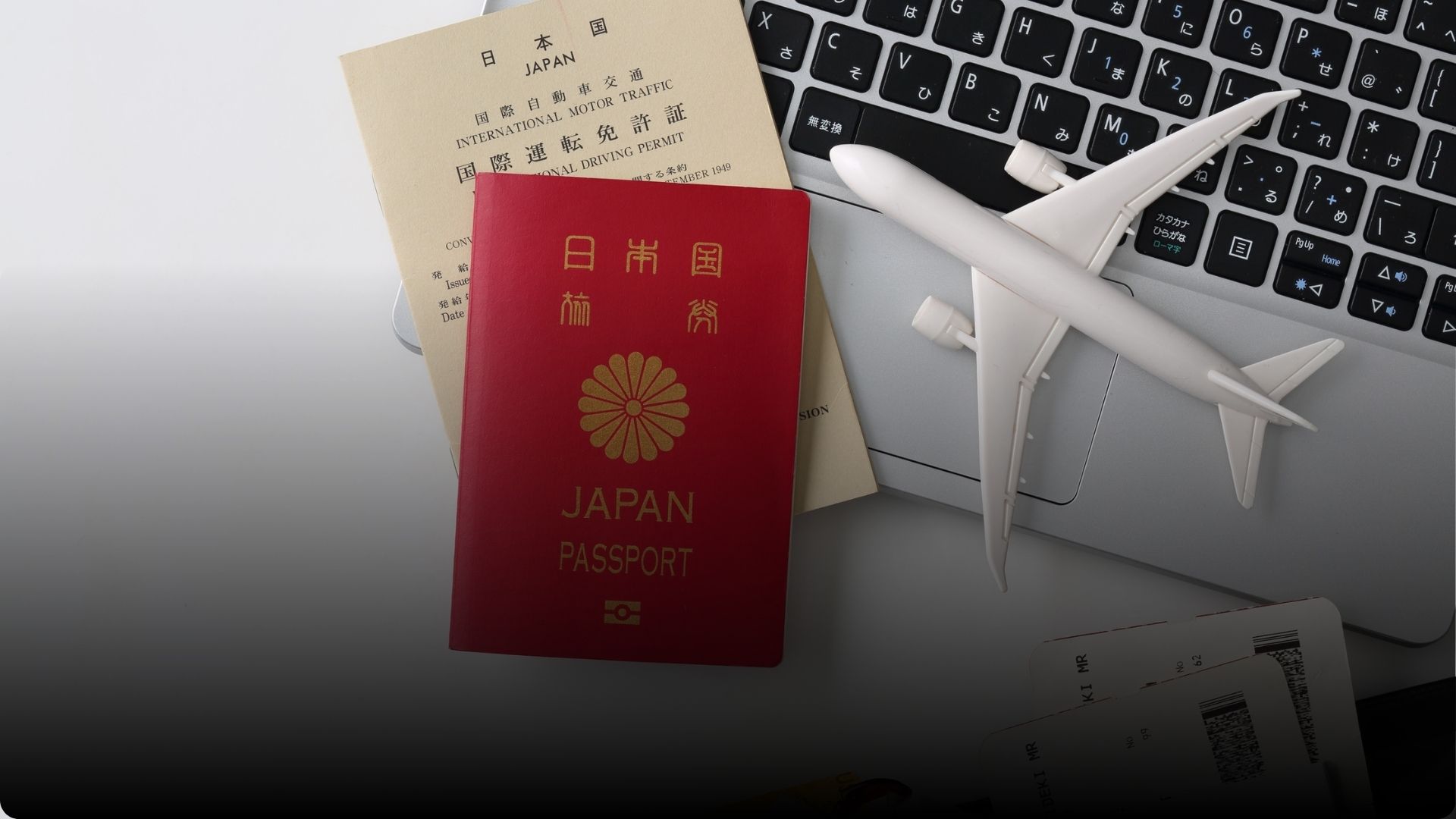
Tourism is one of the most important and fastest-growing industries in the world today. It is not just about traveling for fun—it is a complete system that connects people, places, cultures, and economies. According to global data, tourism contributes nearly 10% of the world’s total GDP and provides 1 in every 10 jobs worldwide, which shows how powerful this industry is.
In simple terms, tourism means when people travel from one place to another for a short time and then return back home. But if we look deeper, tourism includes many activities such as planning a trip, booking hotels, using transportation, exploring attractions, and experiencing new cultures.
Tourism is important not only for enjoyment but also for economic growth and development. For example, when tourists visit a place, they spend money on hotels, food, transport, and shopping. This helps local businesses grow and creates jobs for people.
In today’s world, tourism has become easier because of technology. People can book flights, hotels, and travel packages online in just a few minutes. Social media also plays a big role in promoting tourist destinations.
This article will explain everything about tourism in very simple language, including its meaning, origin, types, importance, advantages, disadvantages, and future trends. By the end, you will clearly understand why tourism is such an important part of modern life.
What is Tourism? (Definition and Meaning)
Tourism can be understood as the activity of traveling to a place outside your usual environment for a temporary period for different purposes like leisure, business, health, or education.
A commonly accepted definition is:
Tourism refers to the movement of people to places outside their usual environment for less than one year for various purposes.
To understand tourism properly, we must break it into its basic elements.
- Travel (Movement of People) – This is the first step in tourism. A person must move from one place to another. For example, if someone travels from Delhi to Jaipur for a vacation, that is tourism.
- Temporary Stay – Tourism always involves a short stay. It can be a few days, weeks, or months, but not permanent. If a person moves permanently, it is called migration, not tourism.
- Purpose of Visit – Tourism always has a purpose. Some common purposes include relaxation, business meetings, education, medical treatment, or religious visits.
Origin of Tourism
The word tourism comes from the word “tour,” which means a journey where a person returns to the starting point. This word has roots in the Latin word “tornus,” meaning a circular movement.
Difference Between Travel and Tourism
Travel is a general term that means moving from one place to another. Tourism is more specific. It includes travel plus stay and purpose. For example, daily commuting to work is travel but not tourism. Going on a holiday is tourism.
Tourism is a structured activity that involves planning, spending money, and experiencing something new.
History and Evolution of Tourism
Tourism has developed over thousands of years and has changed based on technology, society, and economic conditions. Understanding its history helps us see how important it has become today.
1. Ancient Tourism
In ancient times, tourism was mainly for survival, trade, and religion. People traveled long distances for business or to visit religious places. For example, pilgrims traveled to sacred sites like temples and holy rivers. These journeys were difficult because there were no modern roads or vehicles.
2. Medieval Tourism
During the medieval period, travel became less common due to wars and safety issues. However, religious tourism continued to grow. Many people traveled to holy places despite the risks because of strong beliefs.
3. Industrial Revolution
The Industrial Revolution in the 18th century brought major changes. The invention of trains and steamships made travel faster, cheaper, and safer. This was the beginning of modern tourism. People started traveling for leisure, not just necessity.
4. Modern Tourism
In the 20th century, airplanes changed everything. International travel became possible and faster. Tourism became a global industry. Hotels, travel agencies, and tour operators started growing rapidly.
5. Digital and Post-Pandemic Tourism
Today, tourism is highly influenced by technology. Online booking, mobile apps, and digital payments have made travel easy. After COVID-19, people prefer safe, clean, and less crowded places. Sustainable tourism is also becoming more popular.
Tourism has evolved from a basic need to a luxury and now to a necessity for relaxation and mental well-being.
Types of Tourism
Tourism is divided into many types based on the purpose of travel. Each type serves a different need and attracts different kinds of travelers.
Leisure Tourism
Leisure tourism is the most common type of tourism. It focuses on relaxation, enjoyment, and spending quality time away from daily life stress.
- Beach Tourism – People visit beaches to relax, enjoy the sea, and participate in activities like swimming and sunbathing.
- Mountain Tourism – Traveling to hill stations for fresh air, scenic beauty, and cooler climate.
- City Tourism – Exploring cities for shopping, food, nightlife, and culture.
- Cruise Tourism – Traveling on luxury ships with entertainment and comfort.
- Resort Tourism – Staying in resorts for relaxation and premium services.
- Family Tourism – Traveling with family members to strengthen relationships.
- Theme Park Tourism – Visiting amusement parks for fun rides and entertainment.
- Luxury Tourism – High-end travel with expensive hotels and services.
- Weekend Tourism – Short trips to nearby places for quick refreshment.
- Nature Tourism – Visiting forests, lakes, and natural areas to enjoy peace.
Leisure tourism is important because it reduces stress, improves mental health, and increases happiness.
Business Tourism
Business tourism is related to work and professional activities. It is also known as MICE tourism (Meetings, Incentives, Conferences, Exhibitions).
- Meetings – Business discussions in different cities or countries.
- Conferences – Large gatherings for sharing knowledge.
- Exhibitions – Displaying products and services.
- Trade Fairs – Business networking events.
- Corporate Travel – Official company trips.
- Incentive Travel – Reward trips for employees.
- Workshops – Training sessions for skill development.
- Seminars – Educational business events.
- Training Programs – Professional learning activities.
- Client Meetings – Traveling to meet clients.
Business tourism helps companies grow and builds strong professional relationships.
Cultural Tourism
Cultural tourism allows people to learn about traditions, history, and lifestyles of different places.
- Visiting monuments to understand history
- Exploring museums to learn about art and culture
- Attending festivals to experience traditions
- Trying local food to understand culture
- Watching folk dances and music
- Visiting art galleries
- Buying local handicrafts
- Exploring old architecture
- Visiting villages
- Taking heritage walks
Cultural tourism helps preserve traditions and promotes respect between different cultures.
Importance of Tourism
Tourism is extremely important for countries, societies, and individuals. It has economic, social, and environmental benefits.
Economic Importance
Tourism creates jobs in hotels, transport, restaurants, and travel agencies. It generates income for local people and supports small businesses. It also brings foreign currency into a country, which helps economic growth.
Social Importance
Tourism connects people from different cultures. It helps people learn new languages, traditions, and lifestyles. It also promotes peace and understanding between countries.
Environmental Importance
Tourism encourages the protection of natural resources. Many countries protect forests, wildlife, and heritage sites because they attract tourists. Eco-tourism also promotes sustainable practices.
Advantages and Disadvantages of Tourism
Tourism has both positive and negative effects.
Advantages
Tourism improves infrastructure, creates jobs, and increases income. It helps cultural exchange and global understanding. It also supports development in rural areas.
Disadvantages
Tourism can cause pollution, overcrowding, and environmental damage. It can also increase the cost of living and harm local cultures if not managed properly.
Current Trends in Tourism
Tourism is changing due to technology and lifestyle changes.
People now prefer online booking, eco-friendly travel, solo trips, and unique experiences. Workation (working while traveling) is also becoming popular.
Future of Tourism
The future of tourism will be shaped by technology and sustainability. Artificial intelligence, virtual reality, and smart tourism will become common. Eco-friendly travel will grow, and people will prefer personalized experiences.
Conclusion
Tourism is a powerful and growing industry that affects every part of the world. It connects people, supports economies, and promotes cultural understanding.
While tourism has many benefits, it must be managed carefully to avoid negative impacts. Sustainable and responsible tourism is the key to the future.
Tourism is not just about visiting new places—it is about learning, experiencing, and growing as a person.