
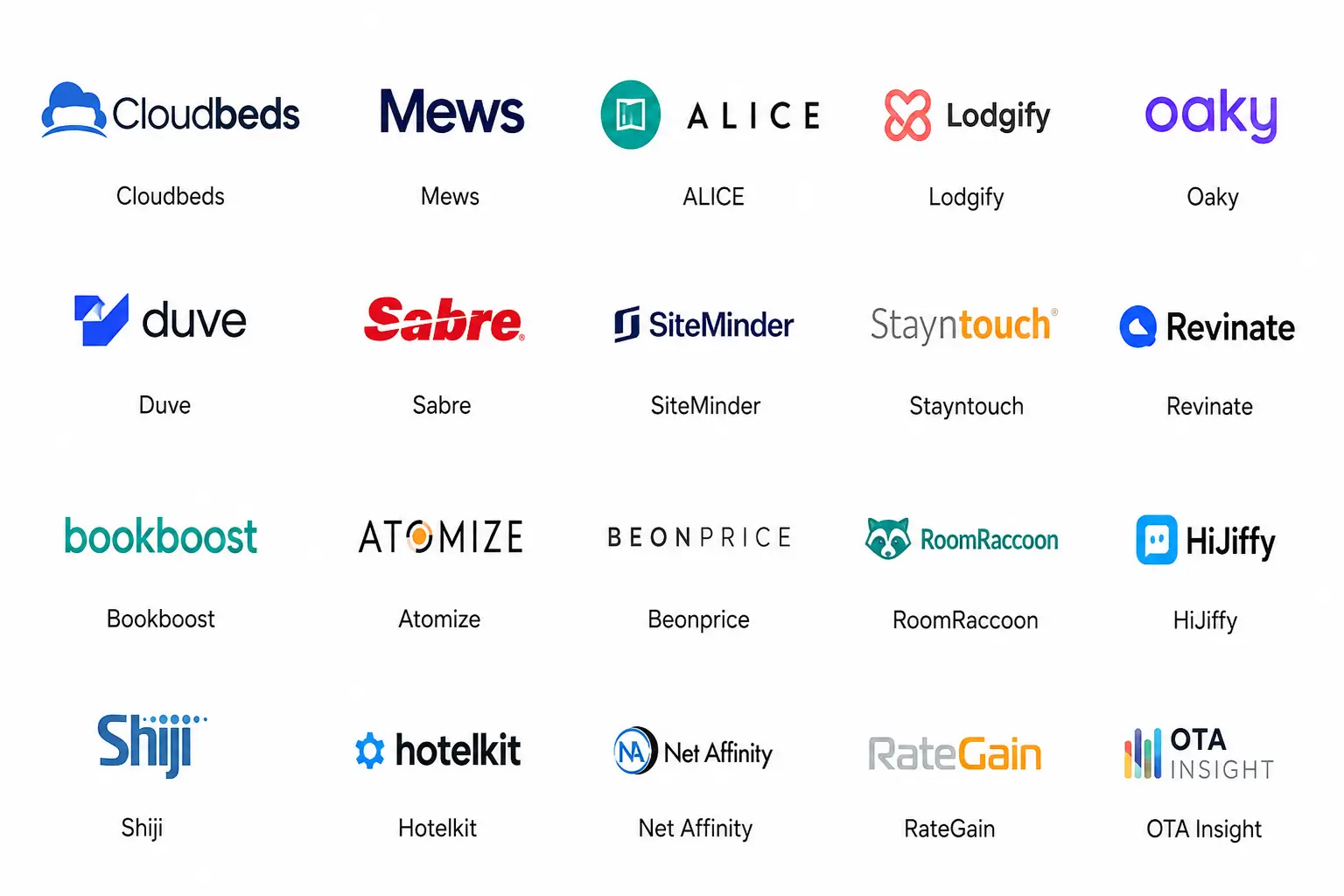
I have seen the hotel industry change faster in the last decade than it changed in the previous fifty years. Traditional hotels once relied on location, luxurious rooms, and basic customer service to attract guests. That model no longer guarantees success. Today’s travelers expect personalization, speed, affordability, sustainability, and digital convenience. They want instant bookings, contactless check-ins, curated experiences, and unique stays that feel memorable rather than routine. This shift has opened the doors for startups in the hotel industry.
The word startup comes from the business world of Silicon Valley during the late 1970s when newly formed technology companies began disrupting established industries. In hospitality, startups refer to newly launched businesses that use innovation, technology, and fresh service models to solve problems in hotels, travel accommodations, and guest services. The French term innovation hôtelière describes this transformation perfectly because it reflects modern hospitality innovation.
According to Statista, the global hospitality market is expected to cross trillions of dollars in value over the coming years, while hotel technology spending continues to rise rapidly. Investors are paying close attention because hospitality startups are solving real operational challenges.
From AI-powered booking systems to sustainable hotel concepts, startups are rebuilding the future of travel. I believe this revolution is only getting started.
What Are Startups in the Hotel Industry?
Hotel startups are newly established businesses that introduce innovative products, services, or technologies within hospitality. These businesses often focus on improving guest experience, reducing operational costs, or solving long-standing hotel problems.
Traditional hotel businesses usually require heavy investments in land, infrastructure, staff, and maintenance. Startups often take a different path. Many operate through asset-light business models where they rely on software platforms, partnerships, or shared infrastructure rather than owning expensive hotel properties.
For example, platforms like Airbnb transformed accommodations by allowing property owners to monetize unused spaces. This model disrupted hotels worldwide.
Hotel startups generally operate in areas such as:
- Booking technology
- Revenue management
- Guest personalization
- Smart hotel automation
- Food delivery solutions
- Sustainable lodging
- Alternative accommodations
- Travel experience platforms
- Hospitality staffing solutions
- AI-driven customer service
The French phrase modèle économique léger means asset-light business model, and it defines how many modern hospitality startups scale quickly.
Unlike traditional hotel chains, startups move faster. They test ideas rapidly, adjust based on customer feedback, and focus on niche markets. Their flexibility gives them a strong advantage in today’s highly competitive hospitality sector.
The Origin of Hospitality Startups
The hospitality sector has existed for centuries. Ancient inns in Rome and caravanserais in the Middle East served travelers long before modern hotels appeared. The modern hotel industry began expanding during the 18th century with luxury establishments in Europe.
The startup wave entered hospitality much later.
The first major disruption happened in the late 1990s when online travel agencies such as Booking.com and Expedia Group changed how people booked hotels. Before that, travelers relied on travel agents, newspapers, and direct phone calls.
The second major wave arrived after smartphones became mainstream around 2007. Mobile apps allowed travelers to compare prices instantly.
The third wave emerged after 2020 when the pandemic forced hotels to adopt automation, digital communication tools, and contactless systems.
According to McKinsey reports, over 60% of travelers now prefer digital-first booking experiences. This shift created massive demand for hospitality startups.
The French phrase transformation numérique means digital transformation, and it explains why startups became essential for hotel survival in modern markets.
Types of Startups Transforming Hotels
Many people think hotel startups only focus on booking apps. That idea is outdated. Innovation now touches every department of hospitality.
Here are ten major startup categories changing hotels today:
- Booking startups simplify reservations and reduce dependency on travel agents.
- Revenue management startups help hotels optimize room pricing using data analytics.
- Housekeeping automation startups improve cleaning schedules.
- Food-tech startups improve hotel dining efficiency.
- Smart room startups create voice-controlled guest rooms.
- Sustainability startups reduce waste and carbon emissions.
- HR startups help hotels hire temporary staff quickly.
- Guest communication startups improve customer support.
- Wellness startups create luxury spa-focused hotel experiences.
- Travel experience startups sell curated local adventures.
Companies such as OYO Rooms grew rapidly by standardizing budget accommodations.
This diversity proves hospitality startups are not solving one issue. They are redesigning the entire ecosystem.
Technology Startups Changing Hotel Operations
Technology has become the backbone of modern hospitality.
Hotels now depend on startups for software systems that improve efficiency. Cloud-based property management platforms reduce paperwork. AI chatbots answer guest questions instantly. Smart locks eliminate traditional room keys.
For example, Oracle Hospitality and newer SaaS startups help automate reservations and guest records.
Here are ten technologies transforming hotels:
- Artificial intelligence booking systems
- Contactless check-in platforms
- Smart door locks
- Facial recognition security
- Voice-controlled rooms
- Cloud property management systems
- Data analytics software
- Virtual concierge apps
- Robotic room service
- Mobile payment systems
According to Deloitte, hotels using automation tools reduce operational costs by nearly 30%.
The French phrase service automatisé refers to automated service systems that are becoming standard across global hotels.
Guests now expect convenience. Hotels without technology often lose customers.
Sustainable Hotel Startups
Sustainability is no longer optional.
Travelers now prefer eco-friendly accommodations. A Booking.com report found that over 70% of global travelers want sustainable travel options.
This demand created a new generation of green hospitality startups.
These startups focus on:
- Solar-powered hotels
- Plastic-free operations
- Water recycling systems
- Eco-friendly construction materials
- Carbon-neutral accommodation models
- Sustainable food sourcing
- Smart energy management
- Waste reduction technology
- Green housekeeping supplies
- Local sourcing partnerships
French hospitality professionals often use the phrase tourisme durable, which means sustainable tourism.
Startups that prioritize environmental responsibility often attract younger travelers who care deeply about climate issues.
Green hospitality is becoming profitable.
That changes everything.
Alternative Accommodation Startups
Hotels are no longer the only accommodation option.
Startups introduced entirely new lodging models.
Airbnb popularized home sharing. Selina created lifestyle accommodations for digital nomads. Capsule hotels expanded through startup investments.
Here are ten examples:
- Vacation rentals
- Hostels for remote workers
- Co-living spaces
- Luxury camping resorts
- Tiny home rentals
- Capsule hotels
- Wellness retreats
- Farm stays
- Floating hotels
- Hybrid work-travel spaces
The French phrase hébergement alternatif means alternative accommodation.
These startups attract travelers looking for experiences rather than standard hotel rooms.
That emotional connection matters.
Challenges Faced by Hotel Startups
Despite rapid growth, hotel startups face major challenges.
Funding remains difficult because hospitality requires large operational investments.
Competition is fierce. Traditional hotel giants like Marriott International and Hilton Worldwide continue investing heavily in technology.
Other challenges include:
- Regulatory issues
- Seasonal demand fluctuations
- Staffing shortages
- Rising customer expectations
- Cybersecurity risks
- High marketing expenses
- Negative online reviews
- Inflation pressures
- Legal compliance
- Expansion difficulties
The French term gestion des risques means risk management.
Without proper planning, many startups fail within their first five years.
Investment Trends in Hospitality Startups
Investors are becoming more interested in hospitality innovation.
Venture capital firms now fund startups focused on travel technology, automation, and sustainability.
During recent years, billions of dollars flowed into hospitality startups worldwide.
Major investors supported companies like:
- Airbnb
- OYO Rooms
- Sonder Holdings
- Selina
- Vacasa
- Mews
- Cloudbeds
- Hostaway
- TravelPerk
- Guesty
Investors see hospitality startups as long-term growth opportunities.
Future of Startups in Hotel Industry
The future looks exciting.
Artificial intelligence will personalize guest experiences. Robotics will handle repetitive tasks. Blockchain may improve hotel payment systems. Virtual reality could transform travel planning.
Hotels may soon become fully automated spaces.
Future trends include:
- AI concierges
- Drone deliveries
- Robot housekeeping
- Predictive pricing systems
- Biometric security
- Metaverse tourism experiences
- Personalized wellness hotels
- Hyper-local travel experiences
- Smart sustainability tools
- Fully digital hotel brands
The French term avenir de l’hôtellerie means future of hospitality.
Startups will lead this transformation.
Traditional hotels must adapt or fall behind.
Conclusion
I believe startups are rewriting the rules of hospitality. They are making hotels smarter, greener, faster, and more customer-focused.
From booking innovation to sustainable lodging models, these businesses are solving old problems with fresh ideas. Travelers benefit from better experiences. Hotels improve efficiency. Investors discover new opportunities.
The hospitality industry once moved slowly.
Not anymore.
Startups have introduced speed, creativity, and disruption into a sector that desperately needed modernization.
The future traveler will expect seamless digital service, personalized experiences, and sustainable practices.
And startups are building exactly that future.
FAQs
What are hospitality startups?
Hospitality startups are new businesses that introduce innovative products, services, or technology solutions for hotels, travel, and guest accommodations.
Why are startups important in the hotel industry?
They improve efficiency, reduce operational costs, enhance guest experiences, and bring modern solutions to outdated hotel systems.
Which startup is most successful in hospitality?
Airbnb remains one of the most successful hospitality startups globally.
How do hotel startups make money?
They earn through subscription fees, commissions, direct bookings, partnerships, software licensing, and accommodation rentals.
What is the future of hospitality startups?
The future includes AI, robotics, sustainability innovations, smart hotels, and personalized travel experiences.