
When I first stepped into a professional kitchen, I thought cooking was all about instinct. A pinch here. A splash there. But I learned quickly—precision rules everything. One extra gram can ruin a sauce. One wrong measurement can change texture, taste, even safety.
Measuring equipment is the silent backbone of every kitchen. Whether I am baking a delicate gâteau or preparing a savory consommé, I rely on tools that give me accuracy, consistency, and control. In French culinary tradition, this attention to detail is called mise en place—everything in its place, measured and ready.
In this article, I will walk you through measuring equipment used in kitchens, their types, origin, and why they matter more than most people realize. If you cook at home or work in a professional setup, this will sharpen your understanding and improve your results.
Understanding Measuring Equipment in the Kitchen
Measuring equipment refers to tools used to quantify ingredients before or during cooking. These tools ensure that recipes are followed correctly. The concept dates back centuries. Ancient civilizations like Egypt and Rome used primitive scales and marked containers to standardize food preparation.
Today, measuring tools fall into two main systems: metric (grams, liters) and imperial (cups, ounces). In professional kitchens, the metric system dominates because of its precision. According to culinary studies, even a 5% variation in ingredient measurement can alter the final dish significantly—especially in baking.
I always remind myself: cooking is art, but measuring is science. Without accurate measurement, consistency becomes impossible. Restaurants depend on repeatability. Customers expect the same taste every time. That’s where measuring tools prove their value.
Dry Measuring Cups (Tasses à mesurer)
Dry measuring cups are designed for solid ingredients like flour, sugar, or rice. They usually come in fixed sizes—1 cup, ½ cup, ⅓ cup, and ¼ cup. I use them by filling the ingredient and leveling it off with a straight edge.
The origin of measuring cups can be traced to the late 19th century when standardized recipes became popular in households. Before that, people relied on estimation.
One critical detail many overlook: scooping directly from a container compresses ingredients like flour. This can increase weight by up to 20%. Instead, I spoon the ingredient into the cup and level it. That small habit changes everything.
Dry measuring cups are essential for baking. Precision matters more here than in savory cooking. If the flour ratio shifts, the structure of cakes and breads collapses. That’s not a risk I take.
Liquid Measuring Cups (Verre doseur)
Liquid measuring cups are made for fluids—water, milk, oil, stock. Unlike dry cups, they have a spout and measurement markings on the side. I always place them on a flat surface and read at eye level to avoid error.
These tools became widespread with the rise of modern kitchens in the 20th century. Transparent materials like glass and plastic made it easier to see measurements clearly.
One interesting fact: studies show that reading measurements from above instead of eye level can cause up to 10% inaccuracy. That’s enough to affect sauces and batters.
In French kitchens, liquid precision is crucial for sauces like béchamel or velouté. Too much liquid weakens the structure. Too little makes it too thick. The measuring cup keeps balance intact.
Measuring Spoons (Cuillères à mesurer)
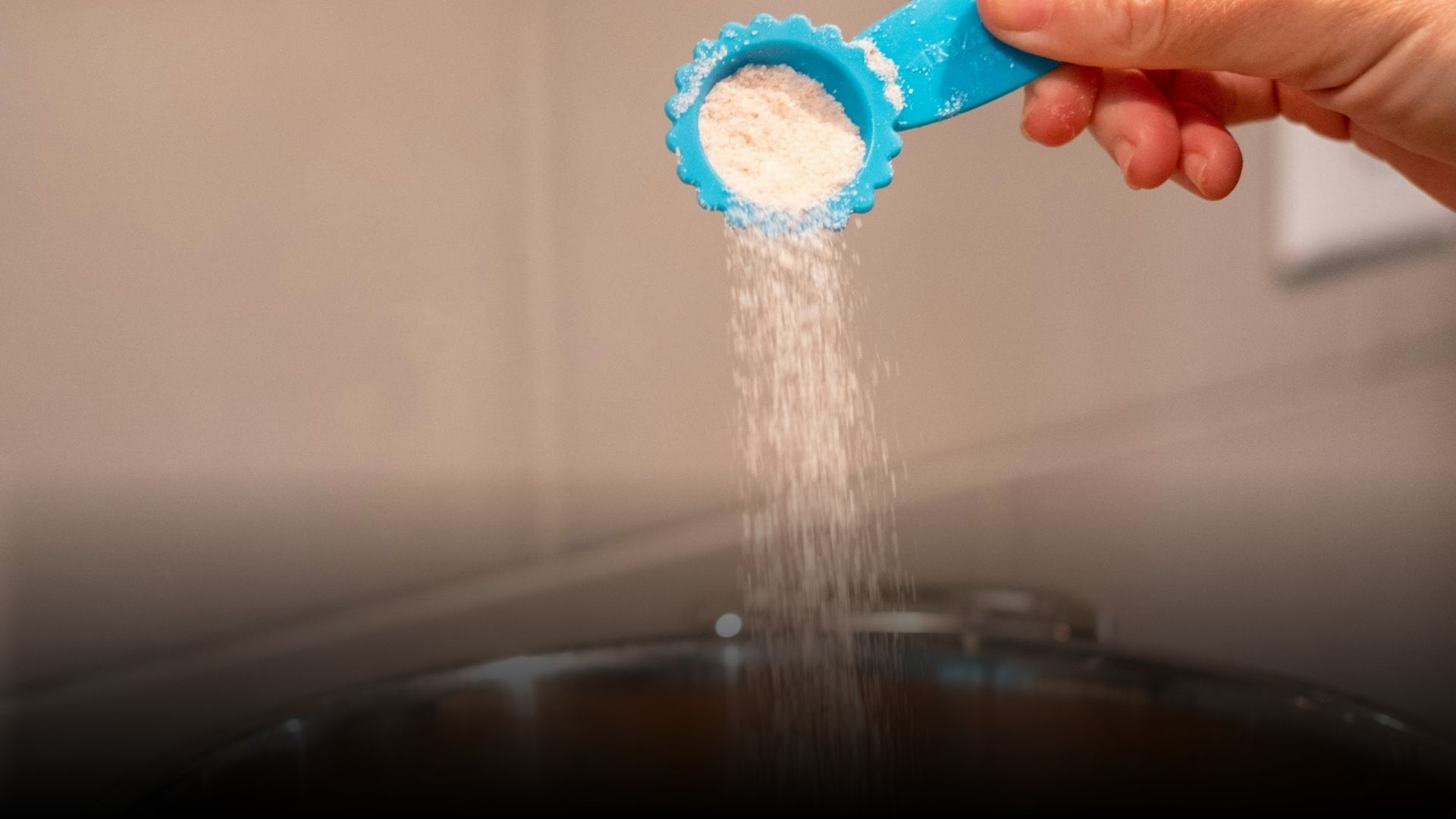
Measuring spoons handle small quantities—spices, baking powder, extracts. They usually range from 1 tablespoon to ¼ teaspoon. I use them constantly.
Historically, spoons were one of the earliest measuring tools. However, sizes were not standardized until the 19th century. Today, consistency is key.
I level dry ingredients and fill liquids carefully to avoid spills. Even a slight excess of baking soda can ruin a dish with bitterness.
Here’s a quick fact: 1 teaspoon equals approximately 5 milliliters. This conversion is universal in professional kitchens.
When I prepare spice blends or desserts, measuring spoons become my most trusted tool. Small quantities. Big impact.
Kitchen Weighing Scale (Balance de cuisine)
If there’s one tool I cannot work without, it’s a kitchen scale. It measures ingredients by weight rather than volume. This is the most accurate method.
Digital scales dominate today, offering precision up to 1 gram or even less. Traditional mechanical scales still exist but are less common.
In baking, I rely heavily on weight measurements. For example, one cup of flour can vary between 120g to 150g depending on how it’s packed. That’s a huge difference.
Professional chefs prefer scales because they eliminate guesswork. According to culinary data, weight-based recipes reduce error rates by over 30%.
French pastry chefs, especially, depend on scales. Precision defines pastries like macarons and éclairs. There is no room for estimation.
Measuring Jugs and Pitchers (Pichet gradué)
Measuring jugs are larger versions of liquid measuring tools. I use them when working with bigger quantities—stocks, sauces, or batters.
They often include multiple measurement units—milliliters, liters, ounces. This versatility makes them useful in both home and professional kitchens.
The design focuses on ease. A handle for grip. A spout for pouring. Clear markings for accuracy.
In busy kitchens, speed matters. Measuring jugs help me work quickly without sacrificing precision. When preparing bulk recipes, they become essential.
Thermometers (Thermomètre de cuisine)
Temperature is another form of measurement. A kitchen thermometer helps monitor heat levels in food. I use it for meats, sugar syrups, and frying.
There are different types—probe thermometers, infrared thermometers, and candy thermometers. Each serves a specific purpose.
Food safety depends heavily on temperature. For example, chicken must reach at least 75°C internally to be safe. Undercooking can lead to serious health risks.
In pastry, sugar stages require exact temperatures. A few degrees can change the texture completely.
This tool doesn’t measure quantity. It measures doneness. And that’s just as important.
Measuring Cups vs Weighing Scale: What I Prefer
This is a common question. Cups or scales?
I use both. But if I must choose, I lean toward the scale. It offers accuracy, consistency, and better results—especially in baking.
Cups are convenient. Scales are precise.
Professional kitchens favor scales. Home kitchens often rely on cups. But as cooking evolves, more people are shifting toward weight-based measurement.
Importance of Accurate Measurement in Cooking
Accuracy affects taste, texture, and safety. It’s that simple.
Inconsistent measurement leads to inconsistent results. One day your cake is perfect. Next day, it sinks. The difference often lies in measurement.
Statistics show that recipe failure rates drop significantly when precise tools are used. Especially in baking.
I’ve seen it firsthand. Small mistakes create big problems.
Cooking becomes easier when you trust your tools.
Conclusion
Measuring equipment may look simple, but it plays a powerful role in the kitchen. From cups and spoons to scales and thermometers, each tool serves a purpose.
I rely on these tools every day. They help me stay consistent. They remove guesswork. They make cooking more reliable.
Whether you are a beginner or an experienced cook, understanding measuring equipment will elevate your skills. It’s not just about following recipes. It’s about mastering control.
In the end, precision is what separates average cooking from exceptional cooking.
FAQs
1. What are the main types of measuring equipment in the kitchen?
The main types include dry measuring cups, liquid measuring cups, measuring spoons, kitchen scales, thermometers, and measuring jugs.
2. Why is a kitchen scale better than measuring cups?
A kitchen scale provides more accurate measurements because it uses weight instead of volume, reducing errors.
3. How do I measure flour correctly?
I spoon flour into the measuring cup and level it off. Scooping directly can lead to excess quantity.
4. What is the most accurate way to measure ingredients?
Using a digital kitchen scale is the most precise method, especially for baking.
5. Why is temperature measurement important in cooking?
Temperature ensures food safety and proper texture. It helps avoid undercooking or overcooking.
