
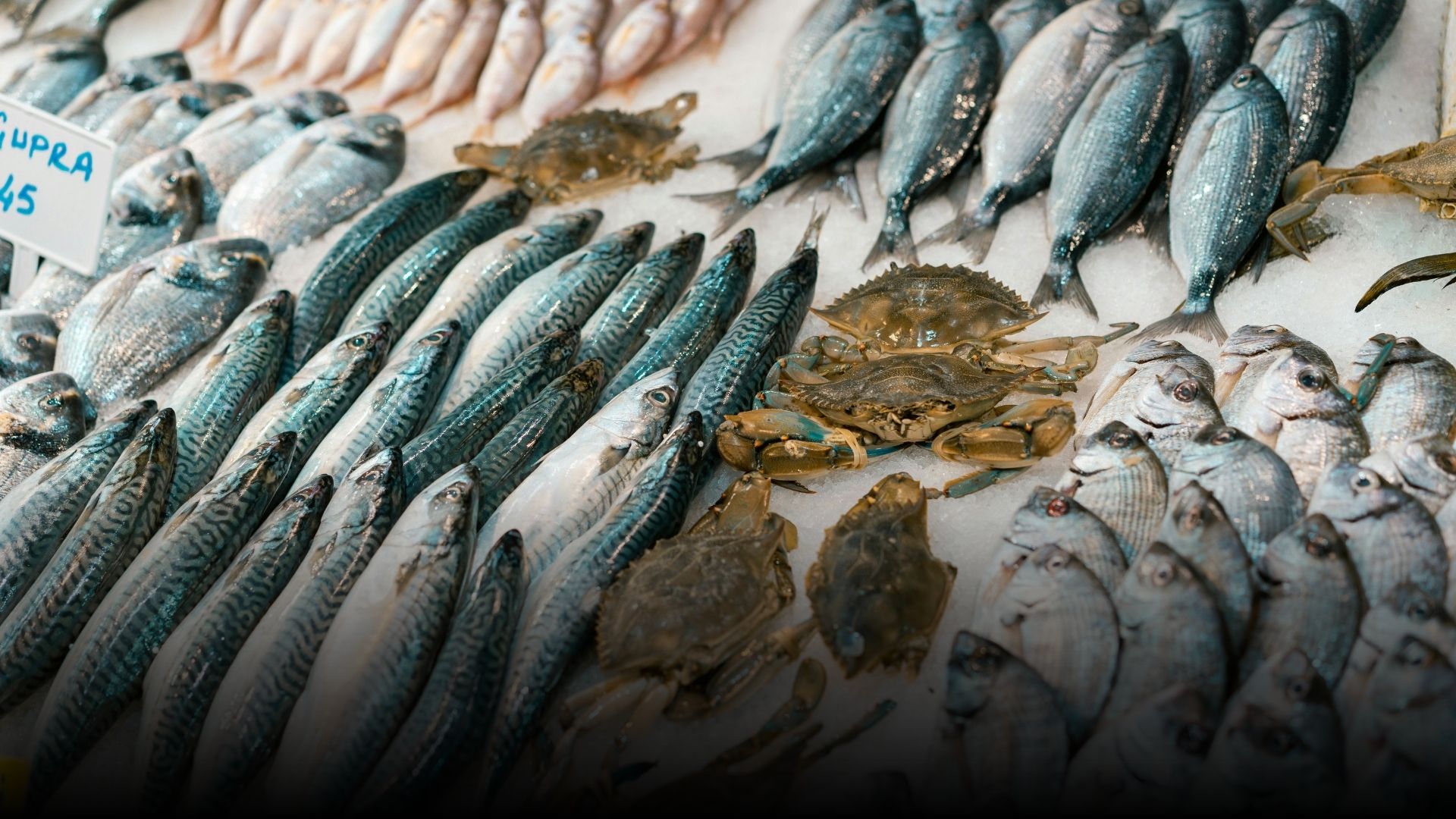
When I step into a kitchen, one ingredient always brings both excitement and challenge—fish. It looks simple at first glance, but once I begin working with it, I realize how deep the subject really goes. Fish meat, often called poisson in French culinary terms, holds a special place in global cuisine. It is delicate, versatile, and rich in flavor, yet it demands precision and respect.
You might think fish is just fish. But that is far from the truth. Each type carries its own texture, taste, and cooking behavior. Some melt in the mouth. Others stay firm and meaty. Some taste mild, almost neutral, while others deliver bold, ocean-like flavors.
In this article, I will walk you through fish meat in detail—its definition, origin, types, and most importantly, its taste profiles. I will also connect these aspects with how we use fish in the kitchen. By the end, you will not only understand fish better, but you will also feel more confident cooking it.
Let’s begin.
What is Fish Meat? Definition and Culinary Meaning
Fish meat refers to the edible flesh obtained from aquatic animals, mainly finfish. In French kitchens, we often refer to fish preparation as poissonnerie, which is the section dedicated to fish handling.
Unlike red meat, fish contains shorter muscle fibers. This is why it cooks quickly and feels tender. Scientifically, fish meat is rich in protein—around 18–22%—and contains omega-3 fatty acids, which support heart health. According to global food data, fish provides nearly 17% of the world’s animal protein intake.
Fish meat can be divided into two main categories based on structure:
- White flesh fish (poisson blanc)
- Oily fish (poisson gras)
Each category behaves differently in cooking. White fish like cod flakes easily and tastes mild. Oily fish like salmon carries a richer flavor and higher fat content.
When I handle fish, I always notice how sensitive it is to heat. Overcook it, and it turns dry instantly. Cook it right, and it becomes silky and soft. This delicate balance is what makes fish both exciting and demanding in the kitchen.
Classification of Fish: Freshwater vs Saltwater
One way I like to understand fish is by looking at where it comes from. Origin matters. It affects taste, texture, and even smell.
Freshwater fish, found in rivers and lakes, include varieties like rohu and catfish. These fish often have a softer texture and a slightly earthy flavor. In India, freshwater fish accounts for nearly 55% of total fish consumption, making it highly popular in inland regions.
Saltwater fish, on the other hand, live in oceans. Examples include tuna, mackerel, and pomfret. These fish usually have a cleaner, sharper taste. Their flesh tends to be firmer due to constant movement in ocean currents.
From a culinary perspective, saltwater fish works well in grilling and roasting (grillé), while freshwater fish is often better suited for curries and frying.
When I cook, I always match the cooking method with the origin. It makes a noticeable difference in the final dish.
White Fish (Poisson Blanc): Types and Taste
White fish is known for its lean structure and subtle flavor. It contains less fat, usually under 5%, which makes it light and easy to digest.
Common types include cod, haddock, and tilapia. These fish have a flaky texture. When cooked, they separate into soft layers. The taste is mild, slightly sweet, and not overpowering.
This mildness makes white fish extremely versatile. I can poach it (poché), steam it, or even bake it with herbs. It absorbs flavors easily, which is why chefs often pair it with sauces like beurre blanc.
In terms of nutrition, white fish is high in protein but low in calories. This makes it a popular choice for people following a balanced diet.
When I cook white fish, I focus on enhancing its flavor rather than masking it. A little lemon, butter, and herbs can transform it into something beautiful.
Oily Fish (Poisson Gras): Types and Taste
Oily fish is richer, both in texture and flavor. It contains higher fat levels, sometimes up to 20%. This fat gives it a deep, pronounced taste.
Examples include salmon, sardines, tuna, and mackerel. These fish have a firm texture and a bold flavor that lingers on the palate.
The taste can range from slightly sweet to intensely savory. Some people describe it as “fishy,” but when fresh, it feels more like a rich ocean flavor.
Oily fish is also packed with omega-3 fatty acids. Studies show that regular consumption can reduce the risk of heart disease by up to 30%.
In the kitchen, I prefer grilling or pan-searing (sauté) oily fish. The fat helps it stay moist even under high heat.
When I cook salmon, for example, I let the skin crisp while keeping the inside tender. That contrast is what makes it special.
Flat Fish vs Round Fish: Structure and Cooking Impact
Fish can also be classified based on body shape—flat fish and round fish. This classification directly affects cooking methods.
Flat fish, like sole and flounder, have both eyes on one side of the head. Their flesh is delicate and thin. The taste is mild and slightly sweet.
Round fish, such as tuna and cod, have a more cylindrical body. Their flesh is thicker and more structured. The taste varies depending on the type.
Flat fish works best for quick cooking methods like pan-frying. Round fish can handle grilling and roasting.
When I work with flat fish, I handle it gently. It breaks easily. With round fish, I have more flexibility.
Understanding structure helps me avoid mistakes in the kitchen.
Shellfish and Their Taste Profiles
Although technically different, shellfish often fall under fish meat in culinary discussions. These include prawns, crabs, and lobsters.
Shellfish, or fruits de mer in French, have a unique taste. They are slightly sweet, briny, and rich.
Prawns are soft and juicy. Crabs offer a delicate sweetness. Lobsters bring a luxurious, buttery flavor.
Shellfish is high in protein and minerals like zinc and iodine. However, it requires careful handling to avoid spoilage.
I usually cook shellfish quickly. Overcooking makes it rubbery. Timing is everything here.
Taste Factors: What Influences Fish Flavor?
Fish taste is not random. Several factors shape it.
Diet plays a major role. Fish that feed on algae taste different from those that eat smaller fish.
Water quality also matters. Clean water produces cleaner taste.
Fat content is another key factor. More fat means richer flavor.
Freshness is critical. Fresh fish smells mild, not strong. A strong smell often indicates spoilage.
When I buy fish, I always check the eyes and gills. Clear eyes and red gills usually mean freshness.
Understanding these factors helps me choose better fish every time.
Cooking Techniques and Their Effect on Taste
The way I cook fish changes its taste completely.
Poaching (pocher) keeps the fish soft and delicate.
Grilling (griller) adds smoky flavor.
Frying creates a crispy texture.
Each method highlights a different aspect of the fish.
For example, grilling enhances oily fish. Poaching works best for white fish.
I always choose the method based on the type of fish. That is the secret to good cooking.
Conclusion
Fish meat is more than just an ingredient. It is a complex subject that blends science, flavor, and technique. From white fish to oily fish, from freshwater to saltwater varieties, each type brings something unique to the table.
When I understand these differences, I cook with more confidence. I make better choices. I respect the ingredient.
Fish rewards attention. Treat it carefully, and it delivers incredible results. Ignore its nature, and it quickly loses its charm.
So next time you step into the kitchen, take a moment. Look at your fish. Understand it. Then cook it the right way.
FAQs
1. What are the main types of fish meat in cooking?
Fish meat is mainly divided into white fish and oily fish, along with freshwater and saltwater varieties.
2. Which fish has the best taste?
Taste depends on preference. Salmon is rich and buttery, while cod is mild and soft.
3. Why does some fish taste stronger than others?
Fat content and diet influence flavor. Oily fish usually has a stronger taste.
4. How can I tell if fish is fresh?
Fresh fish has clear eyes, red gills, and a mild smell.
5. What is the healthiest type of fish to eat?
Oily fish like salmon and mackerel are considered healthiest due to high omega-3 content.
