
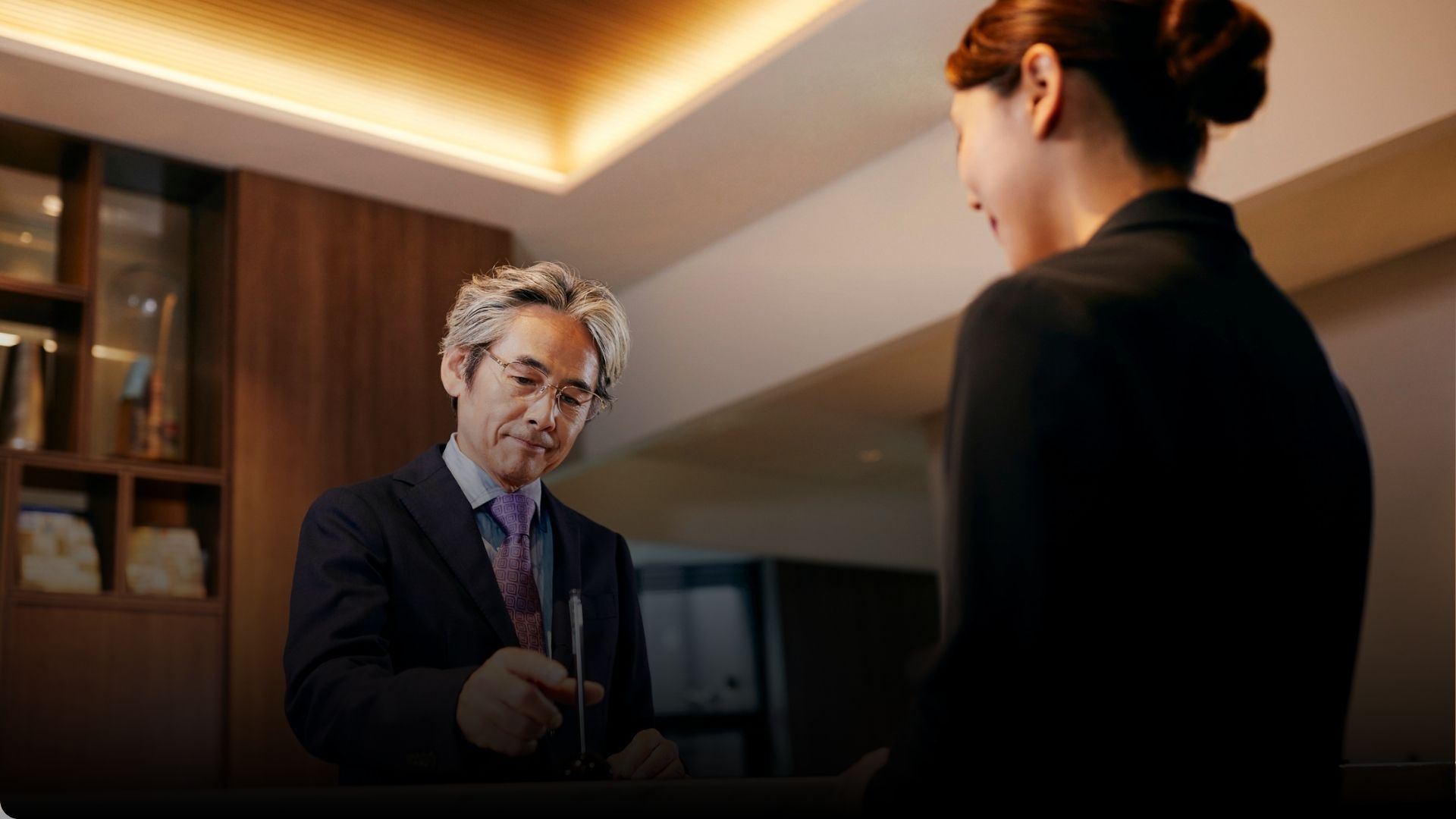
The front office department is often called the “heart” or “face” of a hotel because it is the first and last point of contact for guests. Within this department, uniformed services play a very important role in creating a strong first impression and ensuring a smooth guest experience. When a guest arrives at a hotel, the first people they usually meet are uniformed staff such as the doorman, bellboy, or valet. These employees are not only responsible for assisting guests physically but also for making them feel welcome and comfortable.
Uniformed services are known for their professional appearance, as they wear specific uniforms that represent the hotel’s brand identity. These uniforms are not just for appearance; they symbolize discipline, professionalism, and service quality. In the hospitality industry, studies show that nearly 70% of guest satisfaction is influenced by the first interaction, which makes uniformed staff extremely important.
This article will explain everything about uniformed services in hotels, including their definition, origin, types, duties, importance, and modern trends. By the end, you will have a complete understanding of how these services contribute to the success of a hotel.
What Are Uniformed Services in a Hotel?
Uniformed services refer to a group of hotel employees who wear standardized uniforms and provide direct guest services, mainly at the entrance, lobby, and guest floors. These services are part of the front office department and are focused on assisting guests with their arrival, stay, and departure.
The concept of uniformed services originated in luxury hotels in Europe during the 18th and 19th centuries. Hotels began using uniforms to distinguish staff roles and create a sense of order and professionalism. Over time, this became a global standard in the hospitality industry.
Uniformed services include roles such as doormen, bellboys, concierge staff, valet attendants, and transport personnel. These employees are trained to deliver high-quality service while maintaining proper etiquette, grooming, and communication.
Key characteristics of uniformed services include:
- Direct interaction with guests
- High visibility in hotel operations
- Responsibility for guest comfort and convenience
- Coordination with other departments
These services are essential because they help bridge the gap between guests and the hotel’s internal operations. They ensure that guests feel welcomed, guided, and supported throughout their stay.
Importance of Uniformed Services in the Front Office
Uniformed services are extremely important because they directly affect the guest experience. In the hotel industry, customer satisfaction is everything, and uniformed staff play a major role in achieving it.
Firstly, they create the first impression. When guests arrive at a hotel, they are greeted by uniformed staff. A warm welcome, a smile, and quick assistance can set a positive tone for the entire stay. Research shows that first impressions are formed within 7 seconds, making this role very critical.
Secondly, they enhance guest comfort. Uniformed staff help guests with luggage, provide directions, and assist with transportation. This reduces stress for guests, especially after long journeys.
Thirdly, they improve operational efficiency. By handling tasks such as luggage management and parking, they allow other departments like reception and housekeeping to focus on their responsibilities.
Fourthly, they contribute to hotel branding. A well-dressed and disciplined team reflects the hotel’s quality standards. Luxury hotels invest heavily in uniforms because they are part of the brand image.
Lastly, they ensure safety and security. Doormen and valet staff monitor the entrance and help control access, which adds an extra layer of protection for guests.
Types of Uniformed Services in a Hotel
1. Doorman (Door Attendant)
The doorman is the first person guests meet when they arrive at a hotel. Their main job is to welcome guests, open doors, and assist with entry and exit. They also help manage traffic at the hotel entrance.
The role of a doorman goes beyond just opening doors. They are trained to observe guests and provide assistance when needed. For example, they may help elderly guests, families with children, or guests carrying heavy luggage. They also provide information about hotel facilities and nearby places.
Doormen play an important role in security as well. They monitor who enters and leaves the hotel and report any suspicious activity. In many hotels, they are also responsible for calling taxis and helping with transportation arrangements.
A good doorman must have excellent communication skills, a friendly attitude, and strong observation abilities. Their presence creates a welcoming atmosphere and makes guests feel valued.
2. Bell Desk (Bellboys / Bell Attendants)
Bellboys are responsible for handling guest luggage and escorting guests to their rooms. They are an essential part of the arrival and departure process.
When guests check in, bellboys carry their luggage to the room and explain room features such as air conditioning, television, and room service. This helps guests settle in quickly and comfortably.
Bellboys also assist during check-out by transporting luggage to the lobby or vehicle. In addition, they may store luggage for guests who arrive early or leave late.
This role requires physical strength, as carrying luggage can be demanding. However, it also requires good communication skills and knowledge of hotel facilities.
Bellboys often receive tips from guests, which makes their performance even more important. Studies show that bell staff interactions can increase guest satisfaction by up to 20%.
3. Concierge
The concierge is one of the most important roles in uniformed services. They provide personalized assistance to guests and help with special requests.
A concierge can arrange restaurant reservations, book tickets for events, organize tours, and provide information about local attractions. They act as a guide and problem solver for guests.
In luxury hotels, concierge services are highly advanced. Some hotels even have “Les Clefs d’Or” concierges, who are internationally recognized professionals.
The concierge must have excellent knowledge of the local area, strong communication skills, and the ability to handle complex requests. Their goal is to make the guest’s stay memorable.
4. Valet Parking Staff
Valet staff are responsible for parking and retrieving guest vehicles. This service is especially common in luxury hotels.
When a guest arrives, the valet takes the car and parks it safely. When the guest needs the car, the valet retrieves it quickly. This saves time and provides convenience.
Valet staff must be skilled drivers and understand safety procedures. They are also responsible for protecting guest vehicles from damage.
This service is highly valued, especially in busy cities where parking is difficult. It adds to the overall guest experience and convenience.
5. Transportation Staff (Drivers / Shuttle Service)
Transportation staff provide travel services such as airport transfers and local transportation.
They ensure that guests reach their destinations safely and on time. They also maintain vehicles and ensure cleanliness.
Drivers often act as informal guides, sharing information about the city and attractions. This adds value to the guest experience.
6. Airport Representative
Airport representatives greet guests at airports or stations and assist with transfers to the hotel.
They help with luggage, provide information, and ensure a smooth arrival process. This service is especially important for international travelers.
Duties and Responsibilities of Uniformed Service Staff
Uniformed staff perform many important duties that ensure smooth hotel operations.
- Greeting guests warmly and professionally
- Assisting with luggage handling and storage
- Providing directions and information
- Coordinating with reception and housekeeping
- Managing transportation services
- Handling guest requests and complaints
- Ensuring safety and security
- Maintaining cleanliness and order at the entrance
- Supporting check-in and check-out processes
- Delivering personalized guest services
Each of these duties requires attention to detail and a customer-focused approach. For example, greeting guests is not just about saying hello; it involves body language, tone of voice, and timing.
Skills Required for Uniformed Service Personnel
Uniformed staff need a wide range of skills to perform their duties effectively.
- Communication skills
They must interact with guests from different cultures and backgrounds. Clear and polite communication is essential. - Grooming and presentation
Uniformed staff must maintain a neat and professional appearance at all times. - Physical fitness
Roles like bellboys require strength and stamina. - Problem-solving skills
They must handle guest requests and issues quickly. - Local knowledge
Understanding the city helps them guide guests better. - Time management
They must handle multiple tasks efficiently. - Teamwork
Coordination with other departments is crucial. - Attention to detail
Small details can greatly impact guest satisfaction. - Customer service skills
Providing excellent service is the main goal. - Adaptability
They must handle different situations and guest expectations.
Organizational Structure of Uniformed Services
Uniformed services operate under the front office department. The structure usually includes:
- Front Office Manager
- Concierge Supervisor
- Bell Captain
- Doorman
- Bellboys
- Valet Staff
This hierarchy ensures smooth communication and efficient operations. Each role has specific responsibilities, but all work together to provide excellent service.
Challenges Faced by Uniformed Services
Uniformed staff face several challenges in their daily work.
They deal with high guest expectations, especially in luxury hotels. They must handle peak hours when many guests arrive or leave at the same time. They also face difficult situations such as handling complaints or managing delays.
Despite these challenges, they must maintain a calm and professional attitude. Training and experience help them overcome these difficulties.
Modern Trends in Uniformed Services
The hospitality industry is changing, and uniformed services are also evolving.
Hotels are now using technology such as mobile apps and digital concierge services. Guests can request services through their smartphones.
Personalization is becoming more important. Hotels collect guest preferences to provide customized services.
Sustainability is also a trend. Many hotels use eco-friendly vehicles and reduce paper usage.
Training programs are improving, focusing on soft skills and cultural awareness.
Conclusion
Uniformed services are a vital part of the front office department in a hotel. They are responsible for creating the first impression, assisting guests, and ensuring a smooth and comfortable stay.
From doormen and bellboys to concierge and valet staff, each role contributes to the overall guest experience. Their professionalism, skills, and dedication play a major role in building the hotel’s reputation.
As the hospitality industry continues to grow, the importance of uniformed services will only increase. Hotels that invest in training and improving these services are more likely to achieve high guest satisfaction and success.
FAQs
1. What are uniformed services in a hotel?
Uniformed services are hotel staff who wear uniforms and provide direct guest services such as greeting, luggage handling, and assistance.
2. Why are uniforms important in hotels?
Uniforms create a professional image, help identify staff roles, and improve brand identity.
3. What is the role of a bellboy?
A bellboy handles luggage, escorts guests, and explains room features.
4. What does a concierge do?
A concierge helps with bookings, recommendations, and special guest requests.
5. How do uniformed services improve guest satisfaction?
They provide personalized service, reduce guest stress, and create positive first impressions.