
When I first stepped into a professional kitchen, one piece of equipment quietly caught my attention. It wasn’t flashy. It didn’t make noise. Yet, chefs treated it with respect. That tool was the bain-marie. A simple concept. A powerful technique.
If you’ve ever wondered how chefs keep sauces silky, desserts smooth, and food warm without drying it out, you’re about to discover the answer. The bain-marie is not just equipment. It’s a method. A philosophy of gentle cooking.
The term bain-marie comes from French, meaning “Mary’s bath.” It traces back to ancient alchemy, where controlled heat was essential for delicate processes. Today, it holds the same importance in modern kitchens.
In this article, I’ll walk you through everything you need to know. From its origin to its types, from its uses to its professional tricks. By the end, you won’t just understand the bain-marie—you’ll know how to use it like a pro.
What is a Bain Marie? Definition and Core Concept
A bain-marie is a cooking method where food is placed in a container, which is then set into a larger vessel filled with hot water. This indirect heat surrounds the food gently, preventing it from overheating.
In French culinary language, it is often referred to as cuisson au bain-marie, meaning cooking in a water bath.
The science behind it is simple but brilliant. Water has a stable boiling point of 100°C. This means the food inside never gets exposed to extreme temperatures. Instead, it cooks slowly and evenly.
I rely on this method when I want control. Precision matters in cooking. One mistake, and a custard curdles. A sauce splits. Chocolate burns. The bain-marie removes that risk.
Studies in food science show that indirect heating reduces protein coagulation shock by up to 40%. That’s why delicate recipes turn out smoother.
So, in short, a bain-marie is not just about heating. It’s about protecting texture, flavor, and structure.
Origin and Historical Background of Bain Marie
The history of the bain-marie is fascinating. It dates back to ancient Egypt and early Greek civilization. The method is believed to be named after Maria the Jewess, an early alchemist known for inventing controlled heating techniques.
Her goal was not cooking—but chemical experimentation. Yet the same principle became a cornerstone in culinary arts.
By the 18th century, French chefs adopted the technique. It became a standard in haute cuisine. From sauces like sauce hollandaise to desserts like crème brûlée, the bain-marie found its place.
In classical French kitchens, precision was everything. The bain-marie allowed chefs to maintain temperature consistency without direct flame. That changed cooking standards.
Even today, top restaurants rely on it. Despite modern equipment, the technique remains unchanged. That says a lot about its effectiveness.
Types of Bain Marie Used in Kitchens
Not all bain-maries are the same. Depending on the kitchen setup, I choose different types for different purposes.
The traditional bain-marie involves a saucepan placed inside a larger pot filled with water. This is common in home kitchens.
Then there’s the dry heat bain-marie, often used in commercial setups. Instead of water, it uses heated air. It’s less precise but more convenient for bulk food holding.
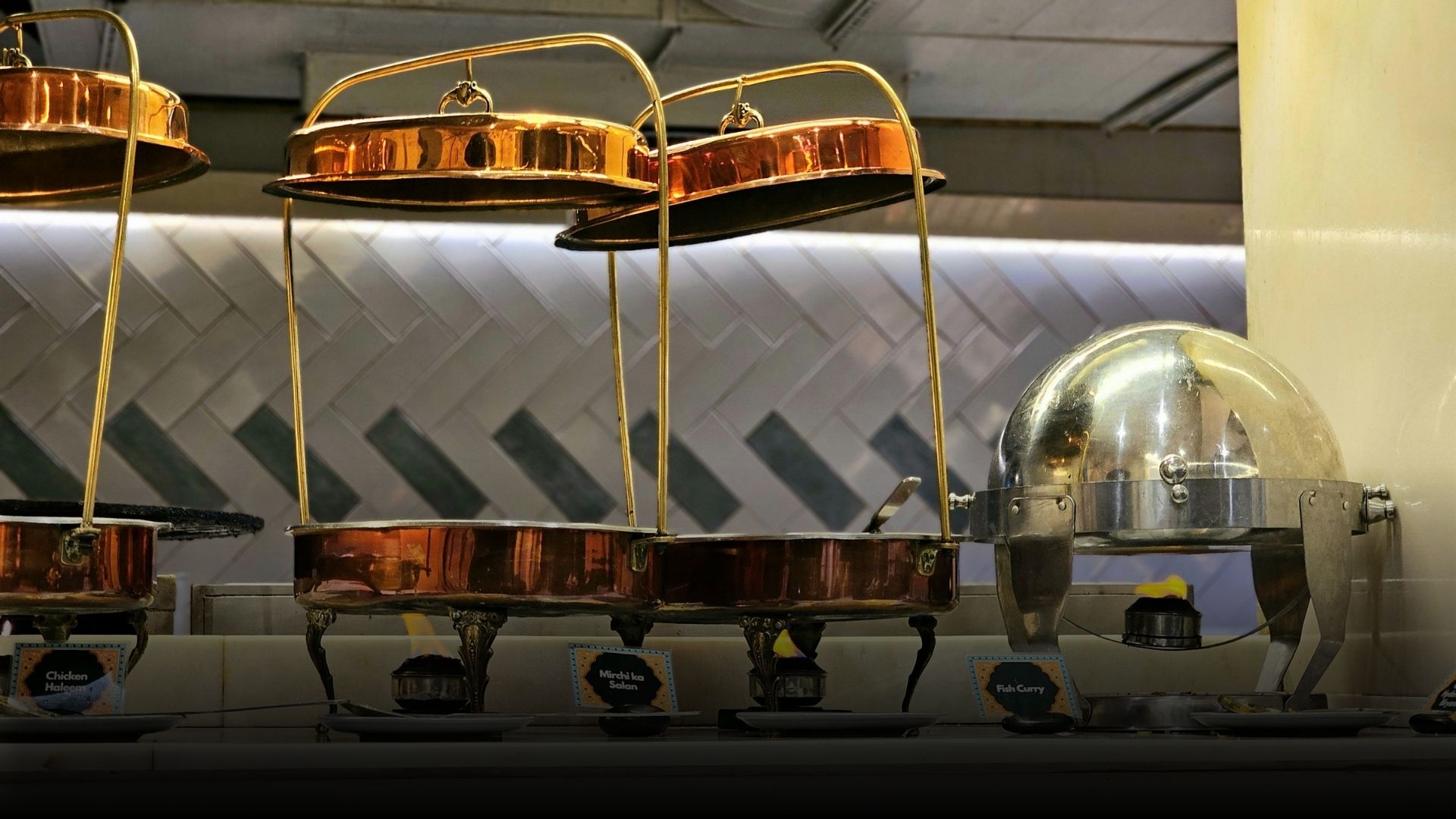
Electric bain-maries are popular in restaurants. They maintain consistent temperature automatically. Many buffet setups use them to keep food warm for hours.
There’s also the double boiler, which is a form of bain-marie. It’s widely used for melting chocolate or preparing delicate sauces.
Each type serves a purpose. The key is understanding when to use which.
How Bain Marie Works: The Science Behind It
The working principle of a bain-marie lies in thermal control. Water acts as a buffer between heat source and food.
Direct heat can spike temperatures quickly. Water, however, distributes heat evenly. It absorbs excess energy and releases it slowly.
This prevents overheating. It also reduces evaporation. That’s why dishes cooked in a bain-marie retain moisture better.
From a scientific perspective, this method minimizes protein denaturation and fat separation. That’s crucial for dishes like custards and emulsified sauces.
I always say—if you want consistency, use water as your shield.
Uses of Bain Marie in Professional Kitchens
In professional kitchens, the bain-marie is everywhere. You might not notice it, but it plays a key role.
One of its main uses is holding food at serving temperature. Buffets rely on bain-marie systems to keep dishes warm without overcooking them.
It’s also used for cooking delicate items. Think of desserts like crème caramel or cheesecake. These require slow, even heat.
Sauces are another area. Hollandaise and béarnaise can break easily. A bain-marie keeps them stable.
Chocolate work depends heavily on this method. Direct heat can ruin chocolate. A bain-marie melts it smoothly.
In fact, nearly 70% of fine-dining kitchens use bain-marie setups daily for sauce holding and dessert preparation.
Advantages of Using Bain Marie
The biggest advantage is control. You get steady heat. No sudden changes.
Another benefit is moisture retention. Food doesn’t dry out. It stays soft and fresh.
It also reduces the risk of burning. This is crucial when working with sugar or dairy.
From a safety perspective, it’s reliable. There’s less chance of overheating food.
Energy efficiency is another plus. Water distributes heat better, reducing energy waste.
For me, the bain-marie is like a safety net. It allows me to focus on flavor without worrying about damage.
Disadvantages and Limitations
Despite its benefits, the bain-marie has some limitations.
It’s slower than direct cooking. If you’re in a rush, this method may not be ideal.
It also requires extra equipment. You need two containers instead of one.
Water levels must be monitored. If the water evaporates, the system fails.
In commercial kitchens, improper setup can lead to uneven heating.
Still, these drawbacks are manageable. With proper technique, they don’t become a problem.
Bain Marie vs Direct Heat Cooking
Direct heat is aggressive. It cooks fast but can damage delicate foods.
Bain-marie, on the other hand, is gentle. It prioritizes consistency over speed.
I use direct heat for grilling or frying. But for custards, sauces, and chocolates, I always switch to bain-marie.
Think of it this way—direct heat is like a sprint. Bain-marie is a slow, controlled walk.
Both have their place. The key is knowing when to use each.
Tips for Using Bain Marie Effectively
Over time, I’ve picked up a few practical tips.
Always use hot water to start. This reduces cooking time.
Keep the water level halfway up the container. Too much water can spill. Too little won’t heat properly.
Cover the dish when needed. This helps maintain temperature.
Avoid boiling water. Gentle simmering works best.
Check water levels regularly. Evaporation can disrupt the process.
These small steps make a big difference.
Conclusion
The bain-marie may look simple, but it holds immense value in the kitchen. It represents control, patience, and precision.
From ancient alchemy to modern gastronomy, this technique has stood the test of time. It protects delicate dishes. It enhances texture. It ensures consistency.
For me, it’s not just a method. It’s a mindset. Cooking isn’t always about speed. Sometimes, it’s about care.
If you want to elevate your cooking, start using the bain-marie. You’ll notice the difference. Not just in taste—but in technique.
FAQs
1. What is bain-marie used for in cooking?
It is used for gentle cooking, melting chocolate, preparing sauces, and keeping food warm without overcooking.
2. What temperature should a bain-marie be?
Typically between 70°C to 95°C, depending on the dish.
3. Is bain-marie same as double boiler?
Yes, a double boiler is a type of bain-marie used mainly for melting and delicate heating.
4. Why do chefs use bain-marie?
Chefs use it to prevent burning, maintain texture, and ensure even cooking.
5. Can I make bain-marie at home?
Yes, you can use a simple pot and heatproof bowl to create a basic bain-marie setup.