
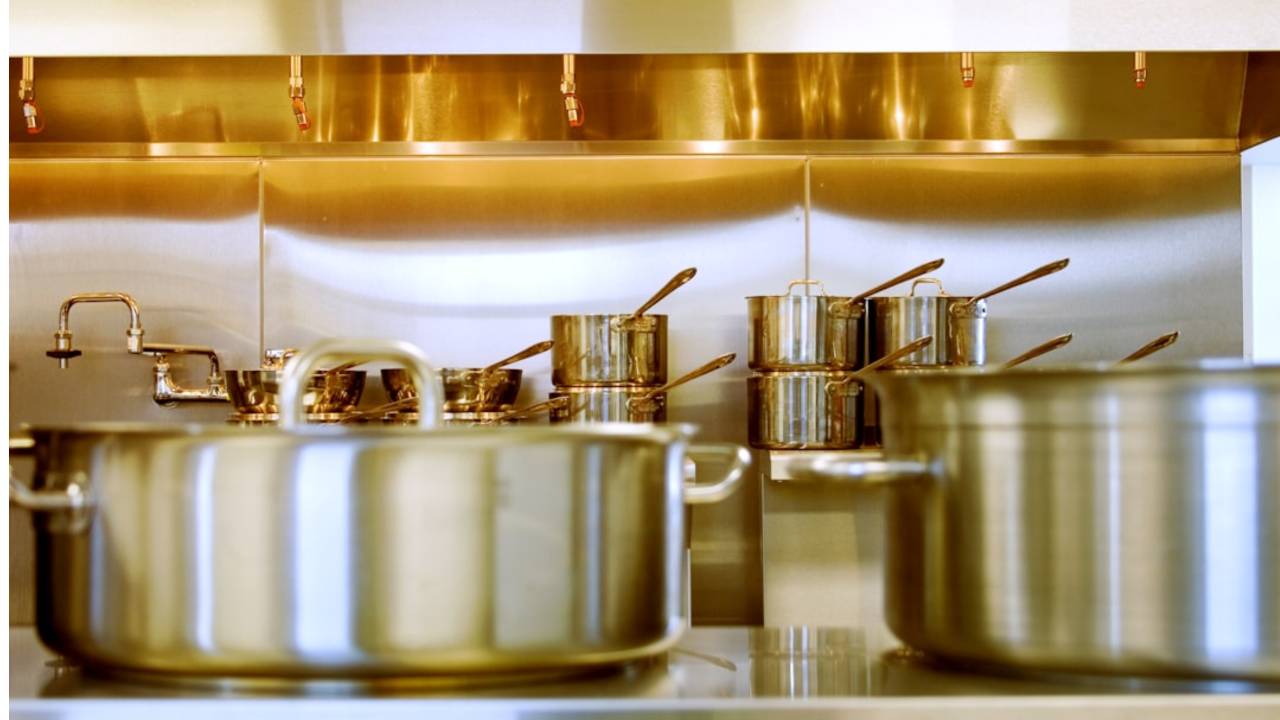
I have always believed that cooking does not end when the food leaves the stove. The real challenge begins after that—keeping the food warm, fresh, and ready to serve without losing texture or taste. You might have experienced it yourself. You cook a beautiful meal, but by the time everyone gathers, it turns cold. That is where warming equipment steps in.
In professional kitchens and even in home setups, keeping food warm is not just about convenience. It is about maintaining qualité, preserving moisture, and ensuring food safety. In French culinary language, this concept is closely linked to maintien au chaud, which simply means “holding food at a safe, warm temperature.” This practice is essential because food kept between 5°C and 60°C can enter what chefs call the danger zone, where bacteria grow quickly.
Today, I will walk you through the different types of kitchen equipment designed to keep food warm. I will explain how each works, where it comes from, and how you can use it effectively. By the end, you will not only know these tools but also understand how to use them like a professional.
Understanding Food Holding Equipment (Maintien au Chaud)
Before jumping into specific tools, let me explain the idea behind food holding equipment. These are appliances or tools designed to maintain cooked food at a safe serving temperature without overcooking it.
The concept dates back to early European kitchens where chefs used low heat from wood-fired ovens to keep dishes warm. Over time, this evolved into modern electric and insulated equipment. According to food safety standards, hot food should be kept above 60°C to prevent bacterial growth.
These tools work using three main methods—dry heat, moist heat, and insulation. Dry heat systems use air or electric elements. Moist heat systems use steam or water. Insulated systems trap heat inside without additional energy.
When I use these tools, I focus on balance. Too much heat dries the food. Too little heat makes it unsafe. The goal is steady warmth. That is what defines good kitchen practice.
Bain-Marie (Water Bath Heating System)
One of the most classic warming tools is the bain-marie. This French term literally means “Mary’s bath,” and its origin goes back to ancient alchemy, where gentle heating was required.
A bain-marie uses hot water to indirectly heat food. You place food containers inside a larger container filled with hot water. The water surrounds the food and keeps it warm evenly.
I personally like this method because it prevents burning. Since water cannot exceed 100°C under normal conditions, the food stays warm without overheating. This makes it perfect for sauces, custards, gravies, and delicate dishes.
Restaurants widely use bain-maries in buffets. Studies show that moist heat systems like bain-marie reduce moisture loss in food by up to 30% compared to dry heat methods.
However, it requires monitoring. Water levels must be maintained. If the water evaporates, the system fails. Still, for gentle heating, nothing beats it.
Chafing Dishes (Buffet Warmers)
When you attend a wedding or buffet, you often see shiny metal containers with lids. These are chafing dishes. They are designed to keep food warm using a small heat source, usually a fuel burner.
The term comes from the French word chauffer, meaning “to heat.” Chafing dishes became popular in 18th-century Europe for serving meals at social gatherings.
These dishes use indirect heat. A small flame heats water placed beneath the food tray, creating steam that keeps the food warm. This method is similar to a bain-marie but more portable.
I find chafing dishes extremely useful for serving large groups. They are easy to set up and maintain. Most importantly, they keep food at a consistent temperature for hours.
Data from catering industries suggests that chafing dishes can maintain food warmth for up to 4 hours without significant quality loss. That makes them ideal for events.
Hot Holding Cabinets (Armoire Chauffante)
Now let us move into professional territory. Hot holding cabinets, or armoire chauffante, are enclosed units that maintain food at a set temperature using controlled heat.
These cabinets are common in hotels, restaurants, and large kitchens. They use electric heating elements combined with fans to circulate warm air evenly.
I like these cabinets because they offer precision. You can set the temperature, and the system maintains it automatically. This ensures that food stays safe and ready to serve.
Some advanced models also control humidity. This prevents food from drying out, especially items like bread or roasted meat.
According to industry data, hot holding cabinets can reduce food waste by up to 25% because they maintain food quality for longer periods.
They are not cheap, but if you handle large volumes of food, they are worth every rupee.
Heat Lamps (Lampe Chauffante)
Heat lamps are simple yet powerful tools. You often see them in restaurant kitchens, especially above serving counters.
These lamps use infrared heat to keep food warm from above. The French term lampe chauffante reflects their purpose clearly—heating through light.
I use heat lamps mainly for short-term holding. They are perfect for dishes waiting to be served, like fries, grilled items, or plated meals.
The advantage is speed. Heat lamps provide instant warmth. However, they can dry out food if used for too long. That is why they are best for holding food for less than 30 minutes.
Studies in food service operations show that heat lamps can maintain surface temperature effectively but may reduce moisture content by 10–15% over time.
So, I always use them with care. Timing matters here.
Warming Drawers (Tiroir Chauffant)
Warming drawers are built into modern kitchens. They are sleek, hidden, and very effective.
The French call them tiroir chauffant, meaning “heated drawer.” These drawers use low, consistent heat to keep food warm.
I often use warming drawers at home. They are perfect for keeping rotis, bread, or cooked dishes warm before serving.
Most warming drawers operate between 30°C and 80°C. This makes them safe for holding food without overcooking it.
They also help in multitasking. You can cook different dishes at different times and keep them warm until everything is ready.
In modern kitchen design, warming drawers are becoming popular because they combine convenience with efficiency.
Slow Cookers and Crock Pots (Cuisson Lente)
Slow cookers are not just for cooking. They are excellent for keeping food warm.
The concept of cuisson lente (slow cooking) focuses on low heat over long periods. Once the food is cooked, the “warm” setting maintains temperature.
I love using slow cookers for soups, stews, and curries. They keep food warm for hours without affecting taste.
These devices are energy-efficient. On average, a slow cooker uses less electricity than a standard oven, making it cost-effective.
They also retain moisture well, which keeps food soft and flavorful.
Insulated Food Containers (Conteneur Isotherme)
Sometimes, you do not have access to electricity. That is where insulated containers come in.
Known as conteneur isotherme, these containers trap heat inside using insulation materials.
I often use them when traveling or delivering food. They can keep food warm for 4 to 6 hours without any external heat source.
These containers work on the principle of thermal retention. They reduce heat loss by limiting air exchange.
They are widely used in catering and food delivery services. In fact, insulated containers can maintain temperature loss within just 5°C over several hours.
Steam Tables (Table à Vapeur)
Steam tables are large units used in buffets and commercial kitchens.
They use steam to keep multiple dishes warm at once. The French term table à vapeur means “steam table.”
I find steam tables very efficient when serving large groups. They allow you to keep different dishes warm simultaneously.
Steam provides gentle heat, which prevents food from drying out. This makes them ideal for rice, vegetables, and sauces.
They are commonly used in hotels, cafeterias, and banquet services.
Conclusion
Keeping food warm is more than just a finishing step. It is a crucial part of cooking that affects taste, safety, and presentation.
From traditional bain-marie systems to modern warming drawers, each tool serves a unique purpose. I always choose equipment based on the type of food, serving time, and quantity.
Understanding these tools helps you cook smarter. It also improves your kitchen efficiency. Whether you are running a professional kitchen or cooking at home, the right warming equipment makes a real difference.
When you control heat after cooking, you control the final experience of your dish. And that is what great cooking is all about.
FAQs
1. What equipment is used to keep food warm in restaurants?
Restaurants commonly use bain-marie, hot holding cabinets, heat lamps, and steam tables to maintain food temperature safely.
2. What temperature should food be kept warm at?
Food should be kept above 60°C to prevent bacterial growth and ensure safety.
3. What is a bain-marie used for?
A bain-marie is used to gently keep food warm using hot water without direct heat.
4. How long can food stay warm in insulated containers?
Insulated containers can keep food warm for 4 to 6 hours depending on the insulation quality.
5. Are warming drawers useful in home kitchens?
Yes, warming drawers are very useful for keeping meals warm, especially when serving multiple dishes at different times.
