
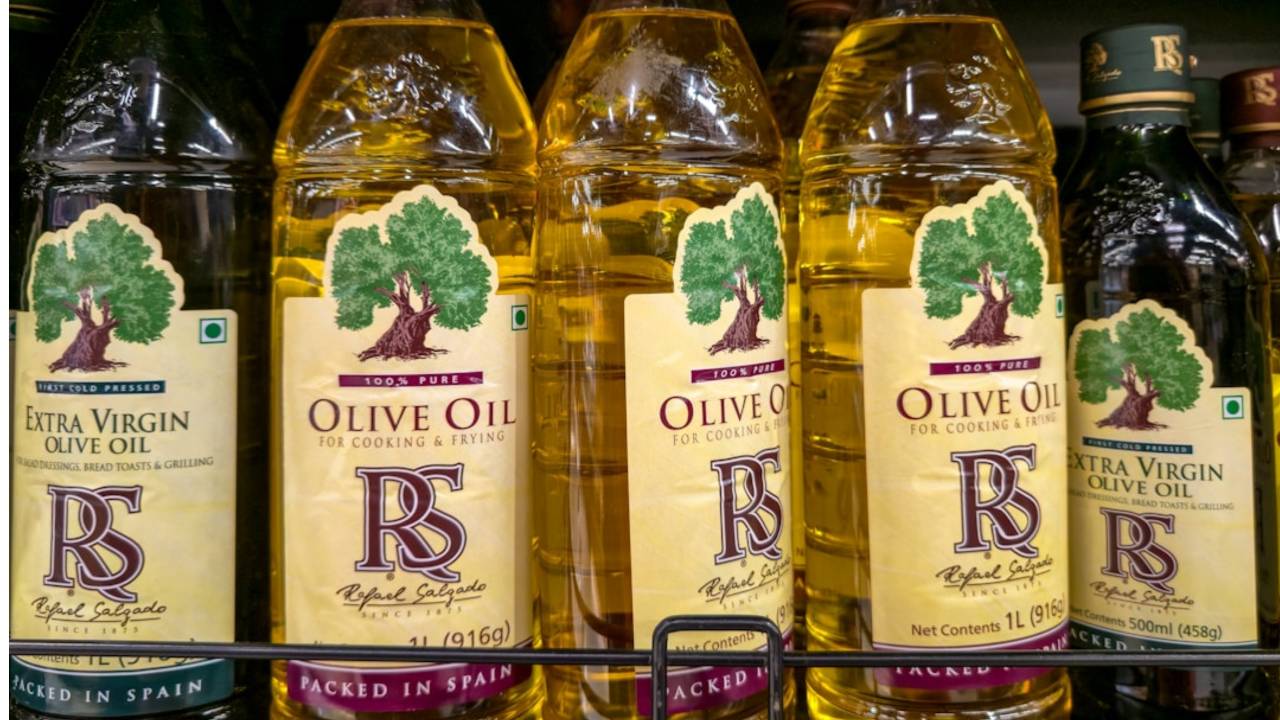
When I step into the kitchen, one ingredient quietly shapes everything I cook—fat. It does not shout for attention like spices or herbs, yet it controls texture, flavor, aroma, and even satisfaction. Without it, food feels incomplete. Dry. Flat.
The word “fat” often carries a negative tone today, but in culinary practice, it is essential. In French kitchens, we refer to fats as matières grasses, a term that reflects their importance rather than fear. From butter melting over hot toast to oil shimmering in a pan, fats are the backbone of cooking.
Historically, fats were prized. Ancient civilizations stored animal fat for survival. Mediterranean cultures built entire cuisines around olive oil. Even today, nearly 30–40% of daily calories in many diets come from fats. That alone tells me how central they are.
In this article, I will walk you through fats in a way that makes sense in the kitchen. Not just science. Real use. Real understanding. You will learn their types, sources, classifications, and why choosing the right fat changes everything.
Let’s get into it.
What Are Fats? Definition, Origin & Role in Cooking
Fats are a type of macronutrient made up of fatty acids and glycerol. In culinary terms, they are substances that are greasy, insoluble in water, and rich in energy. One gram of fat provides about 9 calories—more than double that of proteins or carbohydrates.
The term originates from Old English fætt, meaning “full” or “abundant.” In French cuisine, fats are often categorized under corps gras, meaning “fatty bodies.”
In the kitchen, fats perform multiple roles. They carry flavor. They improve mouthfeel. They create tenderness in baked goods. When I sauté vegetables, fat acts as a heat transfer medium, allowing even cooking. Without it, ingredients burn unevenly.
Fats also help in emulsification. Think of mayonnaise or hollandaise—classic émulsions where fat and liquid combine into a smooth structure. This is not just cooking; it is chemistry happening right in the pan.
Interestingly, fats also enhance the absorption of fat-soluble vitamins like A, D, E, and K. That means a salad without dressing is not just less tasty—it is nutritionally incomplete.
Classification of Fats Based on Chemical Structure
When I classify fats scientifically, I look at their fatty acid structure. This is where terms like saturated and unsaturated come in. They are not just health labels—they directly impact cooking behavior.
Saturated Fats (Graisses saturées)
These fats have no double bonds in their chemical structure. They are stable and solid at room temperature. Common examples include butter, ghee, and animal fat.
I prefer saturated fats for high-heat cooking because they resist oxidation. For example, clarified butter (beurre clarifié) can withstand temperatures above 200°C without breaking down.
However, excessive intake has been linked to increased LDL cholesterol. Still, in controlled amounts, they play an important role in flavor development, especially in baking and roasting.
Unsaturated Fats (Graisses insaturées)
These contain one or more double bonds and are usually liquid at room temperature.
- Monounsaturated fats (MUFA): Found in olive oil and avocado oil. They are stable and heart-friendly.
- Polyunsaturated fats (PUFA): Found in sunflower oil, soybean oil, and fish oil.
I often use olive oil (huile d’olive) for dressings and light cooking because it balances flavor and nutrition.
Trans Fats
These are artificially modified fats created through hydrogenation. They increase shelf life but are harmful to health. Many countries have restricted their use.
In my kitchen, I avoid them completely.
Classification of Fats Based on Source
Understanding where fats come from helps me choose the right one for each dish.
Animal-Based Fats
These include butter, lard, tallow, and ghee. They are rich in saturated fats and deliver deep flavor.
- Butter (beurre) is essential in French cuisine.
- Ghee is widely used in Indian cooking due to its high smoke point.
Animal fats are excellent for roasting meats and adding richness to sauces. Historically, they were the primary cooking medium before plant oils became widely available.
Plant-Based Fats
These include oils extracted from seeds, nuts, and fruits.
- Olive oil
- Coconut oil
- Sunflower oil
- Mustard oil
Plant fats are generally unsaturated and considered healthier. I use mustard oil in traditional Indian dishes because of its strong aroma and antibacterial properties.
Marine-Based Fats
Fish oils fall into this category. They are rich in omega-3 fatty acids.
Though not commonly used for cooking, they are nutritionally valuable. Omega-3 intake is linked to reduced inflammation and improved heart health.
Classification Based on Physical State
In the kitchen, I often categorize fats by how they behave physically.
Solid Fats
These include butter, margarine, and shortening. They are solid at room temperature due to their saturated fat content.
Solid fats are crucial in baking. When I make pastries, solid fat creates layers. This is called lamination, a technique used in croissants and puff pastry.
Liquid Fats (Oils)
These include vegetable oils and are liquid due to unsaturated fats.
They are ideal for frying, sautéing, and dressing. The fluid nature allows even coating of ingredients.
Smoke Point and Its Importance
One of the most practical aspects of fats is their smoke point—the temperature at which they begin to burn and produce smoke.
Using the wrong fat at high temperature ruins food. It creates bitterness and harmful compounds.
For example:
- Butter: ~150°C
- Olive oil: ~190°C
- Ghee: ~250°C
When I deep-fry, I choose oils with high smoke points like refined sunflower oil. For low-heat cooking, butter works beautifully.
This is not just technique—it is control.
Culinary Uses of Fats
Fats are not just ingredients. They are tools.
Flavor Enhancement
Fats absorb and release flavors. Spices bloom in oil. Aromatics like garlic and onions release their full profile only when cooked in fat.
Texture Improvement
Fats create tenderness. In baking, they shorten gluten strands, making cakes soft. This is why shortening is called shortening.
Heat Transfer
Fats distribute heat evenly. This prevents burning and ensures consistent cooking.
Emulsification
Classic sauces like béchamel and hollandaise rely on fat to bind ingredients together.
Sources of Fats in Everyday Cooking
In daily cooking, fats come from various ingredients:
- Dairy: butter, cream, cheese
- Meat: visible fat, marbling
- Nuts and seeds: almonds, walnuts, sesame
- Oils: olive, mustard, sunflower
Even foods like chocolate and eggs contain fats. This hidden fat contributes to taste and texture.
Globally, vegetable oils account for over 75% of fat consumption, showing a shift from animal fats to plant-based options.
Health Perspective: Balancing Fat Intake
While fats are essential, balance matters.
The World Health Organization recommends that fats should make up 20–35% of total daily energy intake.
I always focus on quality over quantity:
- Choose unsaturated fats more often
- Limit trans fats completely
- Use saturated fats in moderation
A balanced approach keeps both flavor and health in check.
Conclusion
Fats are not the enemy. They are one of the most powerful elements in cooking. When I understand them—how they behave, where they come from, and how to use them—I gain control over my food.
From the richness of butter to the lightness of olive oil, each fat tells a story. Each one has a purpose.
Cooking without understanding fats is like painting without knowing colors. You might create something, but it will lack depth.
So next time you step into the kitchen, pay attention to your fat. Choose it wisely. Use it deliberately. That small decision will transform your cooking.
FAQs
1. What are the main types of fats in cooking?
The main types are saturated fats, unsaturated fats (monounsaturated and polyunsaturated), and trans fats. Each type behaves differently in cooking and affects health differently.
2. Which fat is best for frying?
Fats with a high smoke point like sunflower oil, peanut oil, and ghee are best for frying because they remain stable at high temperatures.
3. Are saturated fats bad for health?
Not entirely. They should be consumed in moderation. Excess intake may increase cholesterol levels, but small amounts are part of a balanced diet.
4. What is the difference between oil and fat?
Oils are liquid at room temperature, while fats are solid. This difference comes from their chemical structure and saturation level.
5. Why are fats important in cooking?
Fats enhance flavor, improve texture, help in heat transfer, and assist in nutrient absorption. They are essential for both taste and nutrition.
