
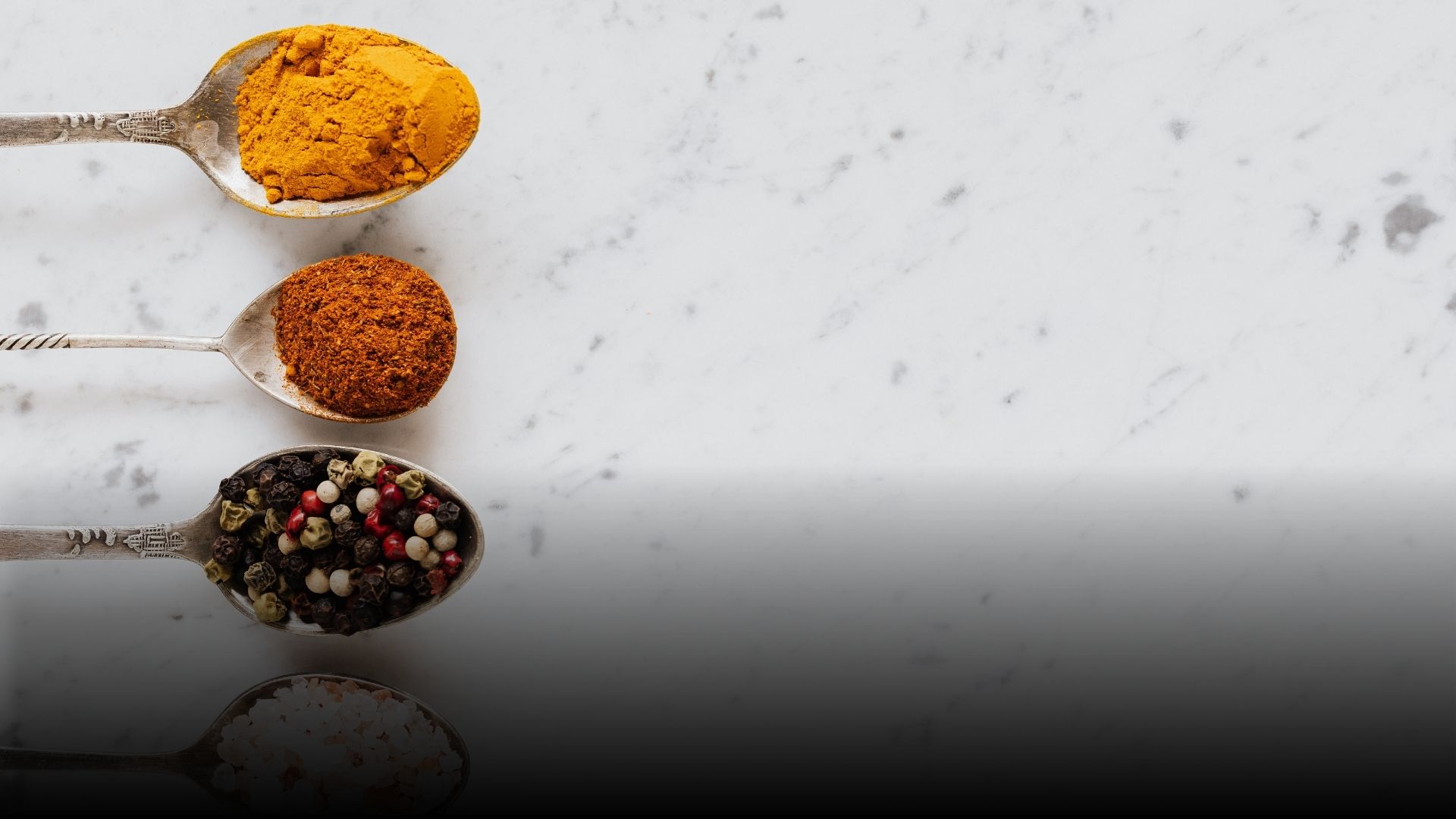
When I first stepped into a busy kitchen, I thought seasoning meant adding salt and maybe a pinch of spice. That belief didn’t last long. Seasoning is not just an action. It is a language. A silent conversation between ingredients, heat, time, and the cook’s instinct. Across the world, every cuisine carries its own seasoning identity. Some are bold and fiery. Others are subtle, layered, almost poetic.
If you look closely, seasoning defines the soul of a dish more than the main ingredient itself. A simple potato can taste completely different depending on how it is seasoned in India, France, or Japan. According to culinary research, over 70% of a dish’s perceived taste comes from seasoning techniques rather than the core ingredient. That number alone tells you something important.
In this article, I will walk you through how seasoning works in different cuisines. Not just what goes into the food, but why it matters. Where it came from. How it evolved. And how you can think like a chef while doing it in your own kitchen.
Understanding Seasoning: Definition and Origin
Seasoning, in culinary terms, refers to the process of enhancing or balancing the natural flavour of food using salt, herbs, spices, acids, fats, and aromatics. The French call this “assaisonnement”, a term that goes beyond simple flavouring. It includes timing, proportion, and harmony.
Historically, seasoning began as a necessity. Before refrigeration, spices and salt were used to preserve food. Over time, preservation turned into pleasure. Ancient trade routes like the Spice Route connected Asia, the Middle East, and Europe, spreading ingredients such as pepper, cinnamon, and cloves. These were once more valuable than gold.
Today, seasoning is both science and instinct. Salt enhances sweetness. Acid brightens heaviness. Fat carries flavour. Heat transforms everything. When I season food, I don’t just add ingredients. I build layers. I adjust. I taste again. That’s where the magic lives.
Indian Cuisine: Layered Spices and Tempering (Tadka)
Indian seasoning is intense. Not in a harsh way, but in depth. Every dish feels like it has a story built into it. The foundation lies in spices—turmeric, cumin, coriander, cardamom, and more. But the real technique that defines Indian cooking is tadka, or tempering.
In this method, whole spices are heated in oil or ghee until they release aroma. This infused fat is then added to the dish. It changes everything. It wakes up the ingredients.
India produces nearly 75% of the world’s spices, which explains the diversity in flavour profiles. Each region has its own blend, known as masala. Garam masala in the north. Sambar powder in the south.
What fascinates me is the timing. Some spices go in early. Others at the end. This creates layers. Not chaos. Controlled complexity. That’s the beauty of Indian seasoning.
French Cuisine: Balance and Subtlety (Assaisonnement)
French cooking takes a different path. It is less about boldness and more about precision. The idea of assaisonnement is central here. Seasoning is not meant to overpower. It should highlight the natural taste of the ingredient.
Classic French seasoning relies on herbs like thyme, parsley, and bay leaf. The famous blend “herbes de Provence” reflects the countryside flavours of southern France.
Butter plays a major role. So does salt, but in controlled amounts. French chefs often say, “Season little by little.” That philosophy matters. It prevents over-seasoning and allows adjustments.
Interestingly, France has over 400 types of cheese, each requiring different seasoning approaches. That level of variety demands skill. It teaches patience. And respect for ingredients.
Chinese Cuisine: Harmony of Five Flavours
Chinese seasoning revolves around balance. The concept is simple but powerful: sweet, sour, salty, bitter, and umami must coexist. Not compete.
Soy sauce, vinegar, ginger, garlic, and sesame oil form the backbone. Then comes “five-spice powder”, a blend that includes star anise, cloves, cinnamon, Sichuan pepper, and fennel.
Cooking methods matter just as much. Stir-frying locks in flavour quickly. Steaming preserves natural taste. Each method affects seasoning absorption.
China’s culinary history spans over 3000 years. That time has refined seasoning into an art of harmony. When I cook Chinese food, I don’t think about adding flavour. I think about balancing it.
Italian Cuisine: Simplicity with Depth
Italian seasoning proves that less can be more. The focus is on fresh ingredients. Tomatoes, olive oil, garlic, basil. That’s often enough.
The Italian philosophy is rooted in “cucina povera”, meaning poor kitchen. It started with simple ingredients but evolved into rich flavour experiences.
Salt is essential. So is olive oil. Herbs are used fresh rather than dried. Parmesan cheese adds umami depth naturally.
Italy produces over 4 million tons of tomatoes annually, making it a central element in their seasoning style. What I admire most is restraint. Italian cooks don’t overcrowd flavours. They let each ingredient speak clearly.
Japanese Cuisine: Minimalism and Umami
Japanese seasoning is quiet. Almost delicate. Yet incredibly powerful. The key concept here is umami, often described as the fifth taste.
Ingredients like soy sauce, miso, and dashi (a broth made from seaweed and fish flakes) form the base. These bring depth without heaviness.
The French term “mise en place” fits perfectly with Japanese cooking. Everything is prepared with precision before cooking begins.
Japan has one of the highest life expectancies in the world, partly due to its balanced diet and light seasoning techniques. That says a lot.
When I cook Japanese food, I slow down. I pay attention. Because even a small mistake can disrupt the balance.
Mexican Cuisine: Bold and Vibrant Flavours
Mexican seasoning is lively. It hits you instantly. Chillies are central. Not just for heat, but for flavour.
There are over 60 varieties of chillies used in Mexican cooking. Each brings a different taste. Some are smoky. Others sweet.
Spices like cumin and oregano are common. Lime juice adds acidity. Cilantro brings freshness.
The technique of roasting ingredients before grinding them into sauces like mole adds depth. Mole itself can contain over 20 ingredients.
This cuisine doesn’t hold back. It celebrates flavour. Every bite feels energetic. And that’s what makes it unforgettable.
Middle Eastern Cuisine: Aromatic and Earthy Blends
Middle Eastern seasoning is rich in aroma. Spices like cumin, sumac, cinnamon, and za’atar define the region.
Za’atar, a blend of herbs, sesame seeds, and sumac, is widely used. It adds tanginess and texture.
Cooking often involves slow roasting or grilling, allowing spices to penetrate deeply. Olive oil is a staple.
The region’s cuisine dates back thousands of years, influenced by trade and culture. That history shows in its seasoning complexity.
What stands out to me is warmth. Not just in taste, but in feeling. These dishes comfort you.
Conclusion
Seasoning is more than technique. It is identity. Culture. Memory. Every cuisine tells its story through how it seasons food.
From the layered spices of India to the quiet balance of Japan, each approach teaches something valuable. There is no single correct way. Only different expressions of flavour.
When you step into your kitchen next time, think beyond salt and pepper. Think about balance. Timing. Intention.
Because good cooking feeds the body. But great seasoning? That stays with you.
FAQs
1. What is seasoning in cooking?
Seasoning is the process of enhancing the natural flavour of food using ingredients like salt, herbs, spices, acids, and fats.
2. Why is seasoning important in food?
Seasoning improves taste, balances flavours, and brings out the best qualities of ingredients.
3. What are the basic types of seasoning?
Salt-based, spice-based, herb-based, acidic (like vinegar or lemon), and fat-based seasoning.
4. How do different cuisines use seasoning differently?
Each cuisine uses unique ingredients and techniques. For example, Indian cuisine uses layered spices, while Japanese cuisine focuses on minimalism and umami.
5. What is the best way to learn seasoning?
Practice regularly, taste often, and understand how different ingredients interact with each other.
